Here's what nobody tells you about pleasure after surgery
Your surgeon says "no penetrative sex for six weeks." Your partner looks nervous. You wonder if you'll ever feel like yourself again. The truth: you can reconnect with your body far sooner than you think, and tools like lemon vibrators are actually built for exactly this moment. Not because suction feels aggressive, but because it doesn't.
I've worked with hundreds of clients navigating post-surgery recovery. The most healing conversations happen when people understand that pleasure during recovery isn't forbidden. It's strategic. And lemon clitoral vibrators, with their gentle suction stimulation, are often the gentlest way back.
Why lemon vibrators work better during post-op healing
Let's talk mechanics first. A lemon vibrator works through gentle suction, not friction or direct vibration. That matters when your pelvic floor is healing, your abdomen is tender, or your nerves are still re-mapping themselves.
After surgery (whether that's a hysterectomy, laparoscopy, abortion, or any pelvic procedure), your tissues are inflamed and your nervous system is in recovery mode. Traditional vibrators with intense buzz and direct pressure can feel overwhelming or even painful. A lemon sucker is different. It creates gentle stimulation that doesn't require you to bear weight, thrust, or manage intense sensation. You're just letting a mild rhythm do the work.
The other thing: there's zero pressure to perform. You're not negotiating with a partner's pace. You're alone with a tool designed for exactly your speed. That psychological relief is profound during recovery.
When is it actually safe to start
Here's the tension: your surgeon says six weeks, but your body sometimes feels ready sooner. And actually, external clitoral stimulation is safer and earlier than penetrative activity.
Most gynaecologists give you the all-clear for external stimulation (clitoral work, no insertion) around weeks three to four, depending on the procedure. Ask your surgeon specifically. Hysterectomies and major abdominal work need longer than a simple biopsy. But you don't have to take their word for it. Your body will tell you.
If touching the area causes sharp pain, redness, or discharge beyond normal healing, wait. If you feel tender but not acutely painful, and there's no active bleeding, external stimulation through a lemon vibrator is often fine. Start very low intensity. Lemon vibrators typically have 5-8 patterns, most of which are gentler than a traditional vibrator's full power.
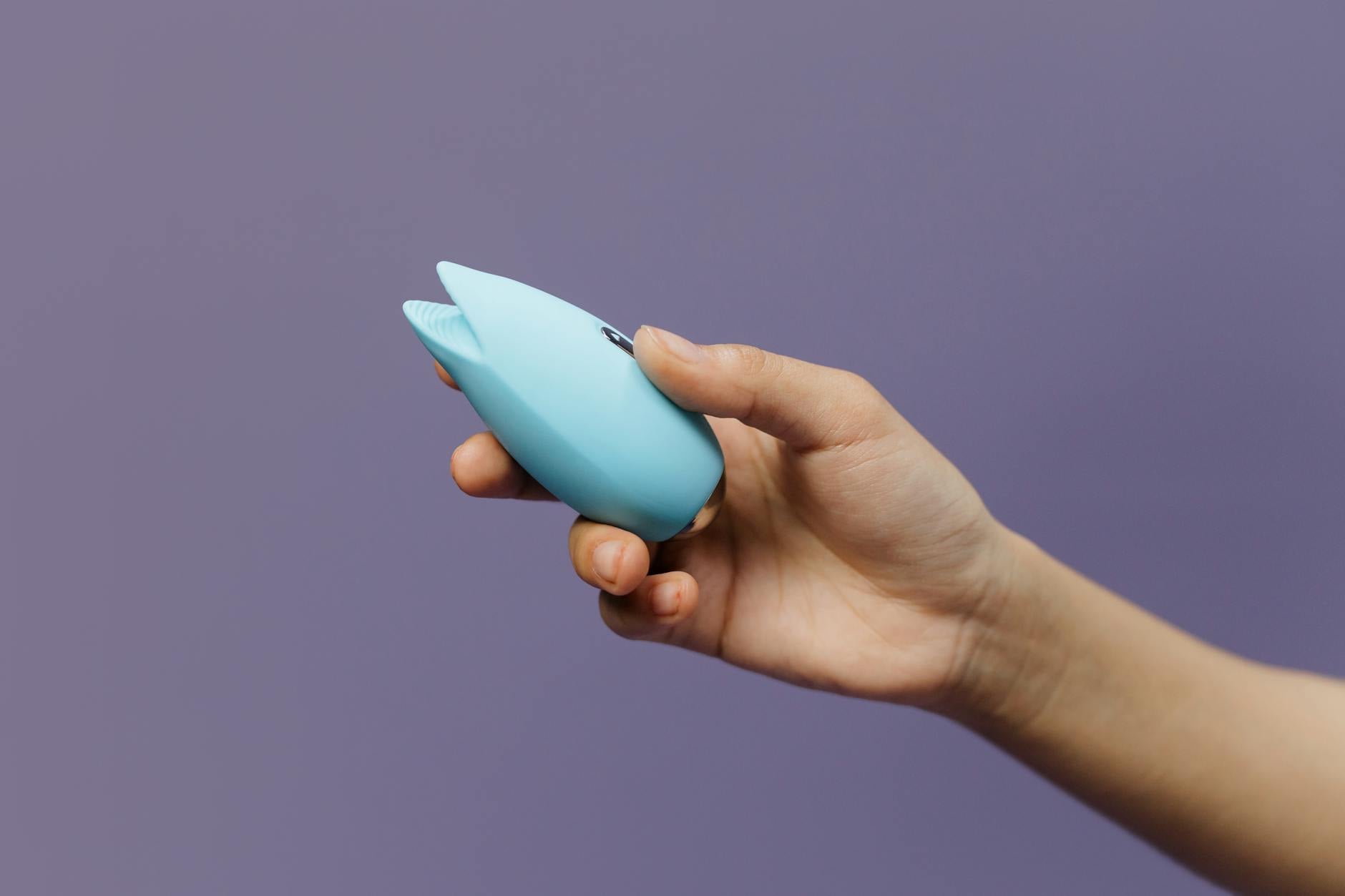
Photo by cottonbro studio on Pexels
The first time: what to expect
Your first time using a lemon clitoral vibrator post-op will feel different than you remember. That's normal.
Scar tissue is still forming. Your nervous system is hypervigilant. Your pelvic floor might be tighter than before. Some of my clients say the first orgasm after surgery feels shallower. Others say they barely feel sensation at all. A handful describe it as slightly different in tone. All of this is normal and temporary.
Don't push for an orgasm. This isn't about performance. You're reintroducing your body to pleasure while it's healing. Think of it like physical therapy, except it feels good. Use one of the gentler suction patterns (typically patterns 1 or 2 on a lemon vibrator). Spend 10 to 15 minutes just noticing sensation. If nothing happens, that's fine. If it feels uncomfortable, stop.
Use a water-based lubricant even if you're only doing external work. Healing tissues benefit from it, and it makes the suction feel smoother. Make sure the area is dry before you stop (any moisture sitting there during healing can invite infection).
Managing pain versus normal discomfort
Here's where people get confused. Pain that's sharp or hot or radiating is a stop signal. Discomfort that's tight or slightly tender or unfamiliar is just your body waking up.
If you feel a pulling sensation near your incision, that's likely scar tissue tightening. Manageable. If you feel like something's tearing, that's not. If you feel a dull ache that fades within an hour, that's normal. If it sharpens or lingers, you went too far.
Most importantly: trust your surgical team. If anything feels truly wrong, message your surgeon before using any toy. "Is external clitoral stimulation safe at this point?" is a question they expect. The answer guides everything.
Why lemon vibrators beat other tools during recovery
A partner's hand feels too intimate too soon for some people. A traditional vibrator might be too intense or create pressure you don't need. A wand vibrator can be hard to control one-handed while managing discomfort.
A lemon vibrator sits quietly in your hand, does exactly what you ask, and stops the moment you move it away. It's ergonomic during healing. The handle is easy to grip with one hand. The suction patterns are generally mild enough that you can pause and experiment without jarring sensation shifts. And psychologically, there's something about lemon vibrators that feels gentler, more approachable during recovery.
Many people also describe the sensation as more meditative. You're not chasing anything. You're just letting your body reintroduce itself to pleasure at its own pace.
The role of your partner during this phase
If you have a partner, this moment is crucial. You're in recovery. They're sometimes processing their own feelings (desire, guilt, uncertainty). Pleasure-building separately for a few weeks actually strengthens reconnection later.
Use lemon vibrators alone first. Let your body feel safe with sensation in a low-pressure environment. Then, once you're more confident (usually weeks 6 to 8), you and your partner can explore together. The fact that you've already reintroduced sensation helps enormously. You know what feels good. You're not discovering everything simultaneously under pressure.
Long-term: after you're fully healed
Here's what I notice clinically. People often return to pleasure after surgery and discover they like it better than before. Part of that is relief. Part of it is that they've been forced to slow down, to check in with their body, to use tools designed for gentleness.
If you bonded with a lemon vibrator during recovery, keep using it. Your body might prefer it. You might find that the suction sensation feels more connected to pleasure than traditional vibration ever did. That's not unusual. Recovery often reveals preferences that were always there but got crowded out.
Quick safety checklist for post-op pleasure
Before you use any toy during recovery, make sure you can check these boxes. Active bleeding or pus means wait. Sharp pain or hot sensation means stop immediately. Excessive swelling means hold off another week. If you clear all three, you're probably safe to proceed.
After use, inspect the area gently for any new swelling or unusual discharge. Most people notice nothing. Some people feel a bit more tender than before. That's usually fine. If redness or warmth appears and doesn't fade within an hour, that's a signal to pause and ask your surgeon.
Clean your lemon vibrator with mild soap and warm water after each use. Recovery means your immune system is already working hard. Help it along.
FAQ
Can I use a lemon vibrator immediately after surgery?
Not immediately. Most surgeons clear you for external clitoral stimulation around weeks three to four post-op, depending on the procedure. Internal penetration waits longer. But again, ask your surgeon for your specific timeline. Every surgery is different.
Does a lemon clitoral vibrator feel safer than traditional vibrators during recovery?
Yes. The suction design is gentler than direct vibration, requires no thrusting or positioning pressure, and lets you control intensity with precision. You're not fighting sensation or managing discomfort around a partner's rhythm. That psychological ease matters as much as the physical gentleness.
What if I feel nothing the first time I try a lemon vibrator post-op?
Completely normal. Your nervous system is still settling. Your pelvic floor is tight. Your attention is divided between pleasure and healing. Go easy. This isn't about reaching orgasm. It's about reintroduction. Sensations return over weeks, not immediately.
Should I tell my surgeon I'm using toys during recovery?
Yes. A simple "Is it safe to use external clitoral toys at this point?" clarifies everything. Most surgeons are comfortable with it around the same time they clear you for masturbation. There's no shame in asking.
Can my partner be involved from the start?
Physically, yes, once your surgeon clears external stimulation. But emotionally, it's often better if you reconnect alone first. You learn your body's signals without pressure. Your partner isn't anxious about hurting you. Then, around weeks six to eight, you explore together with confidence. This actually accelerates reconnection.
How long before pleasure feels normal again?
Everything shifts between weeks eight and twelve post-op for most people. Swelling goes down, scar tissue stabilizes, and your nervous system settles. Some people take longer. It's not a race. The fact that you're reintroducing sensation gently, using tools designed for your healing body, genuinely speeds this along.
Your body will tell you when you're ready
Recovery after surgery is a strange conversation with your own body. You're proud of it for healing. You're also impatient with it for needing time. Pleasure during recovery isn't punishment for impatience. It's medicine. And lemon vibrators, with their gentle design and intuitive control, are often the kindest way to remember that sensation and healing can happen together.
Start small. Listen carefully. Ask your surgeon. And trust that pleasure isn't gone. It's just reorganizing itself for a stronger return. When you're ready to reconnect with your partner or explore pleasure more fully, reach out at /contact. I'm here to help navigate this transition.
References and further reading:
- American College of Obstetricians and Gynecologists. "Recovery from gynecologic surgery." ACOG Patient Education (2022).
- Ranjith, G., and Hotopf, M. "Post-operative sexual dysfunction." British Journal of Sexual Medicine, 2019.
- Masters, W. H., and Johnson, V. E. Human Sexual Response. Little, Brown, 1966.
- Coad, J., et al. "Anatomy and physiology for midwives." Elsevier Health Sciences, 2017.