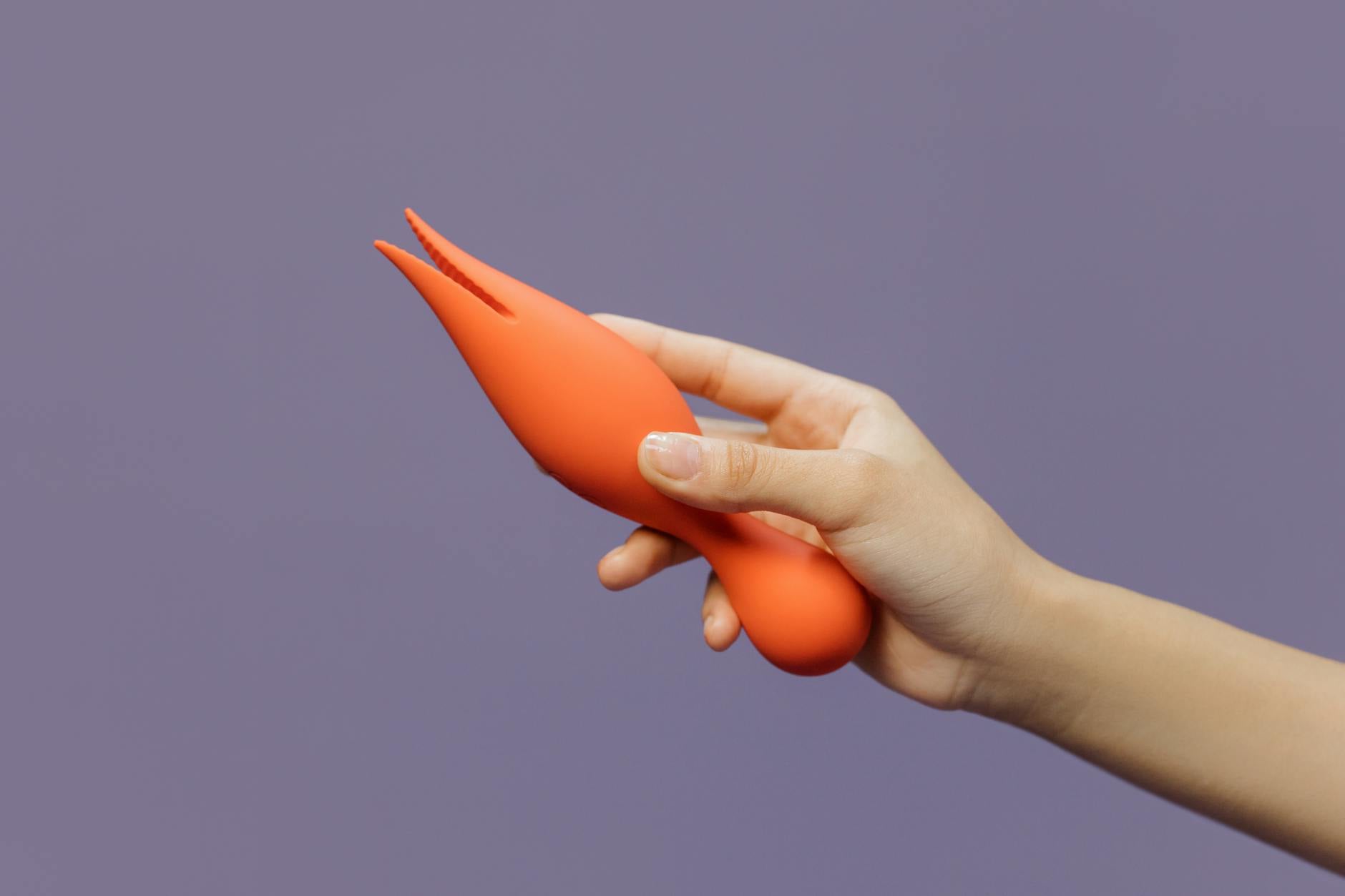
Let's talk about the elephant in the room
Most people think bringing a vibrator into partnered sex means something is wrong. It doesn't. It means something is smart. Clitoral vibrators like the Lemon, Hello Nancy's lemon clitoral vibrator, work differently than penetration alone, and about 65 to 75 percent of people with vulvas need clitoral stimulation to orgasm during sex. That's not a flaw in your partner or your relationship. That's biology.
Here's the thing nobody tells you: adding a clitoral vibrator into your sex life often makes partnered sex better for both of you. Your partner gets to see you enjoy yourself more intensely. You get to experience more pleasure. Everyone wins.
The conversation you need to have first
Introducing toys into a relationship doesn't require a formal meeting. But it does require honesty, and it needs to happen outside the bedroom.
Try something like: "I've been thinking about trying a vibrator during sex. I'm curious what you think about that." That's it. No preamble, no apology, no framing it as a "we need to fix something" talk.
What matters next is listening. Your partner might say yes immediately. They might feel a little insecure at first (that's real and common). They might ask questions. All of those reactions are workable if you stay calm and specific.
If they say something like "Will you still want me?" you're hearing fear, not logic. A solid response: "This isn't about you. It's about me getting to feel more pleasure. And honestly, I want to share that with you."
That distinction matters. You're not replacing them. You're adding something that helps you show up more fully in sex.
Why lemon vibrators work well for partnered play
There are a few reasons clitoral vibrators integrate better into partnered sex than you might think.
First, design. A lemon suction-style vibrator is smaller and hands-free enough that your partner can use it on you while inside you, or you can hold it yourself while they do their thing. You're not fumbling with something huge or awkwardly managing angles.
Second, sensation. Suction-based clitoral vibrators like the Lemon create a very different feeling than traditional vibration. They build pleasure gradually rather than overstimulating right away. That means you can use it during partnered sex without it becoming uncomfortable or too intense.
Third, control. You or your partner can adjust the settings on the fly. If something feels amazing, you can hold the pattern. If it's getting too intense, you drop it down. That responsiveness keeps sex flowing naturally.
Positioning that actually works
Honestly, the best positions for adding a clitoral vibrator depend on what you're already doing. But here are the ones that come up most in conversations with couples.
If you're in missionary or a position where your partner is behind you, they can easily reach down and hold the lemon vibrator against your clitoris while moving inside you. The vibrator sits above the penetration, so it doesn't get in the way.
If you want to use it yourself, positions where you have a free hand work best. Cowgirl, spooning, or face-to-face positions where you're leaning back slightly give you access. You're in control of pressure and speed, which honestly feels good psychologically as well as physically.
Some couples find that lying on their side with the vibrator between them during spooning is their sweet spot. You're connected, you can kiss, and the vibrator is easy to position.
The rule is simple: pick a position where either you or your partner can comfortably hold the toy without arm strain. Sex should feel good, not like a gymnastic routine.
Managing the emotional piece
Here's where it gets real. Even if both partners logically understand that a vibrator is just a tool, the first time can feel weird emotionally.
You might feel self-conscious. Your partner might worry they're doing something wrong or that the vibrator means you're not attracted to them anymore. These feelings are normal and temporary, but they need to be named.
Before you try it, agree on something simple: if either person feels uncomfortable in the moment, you pause and check in. Not forever. Just enough to breathe and reconnect. "Is this working for you?" is a perfect line. So is "This feels amazing." Hearing that can completely shift your partner's mindset.
Many couples find that the first time they use a vibrator together, they do it in a low-stakes way. Maybe you're already in bed and happy and you pull it out halfway through instead of planning a whole scene around it. That casualness takes pressure off both of you.
The practical stuff nobody mentions
A few small things make a real difference.
Lubrication matters more when you're adding a vibrator to penetration. Water-based lube on the vibrator and inside keeps everything gliding smoothly and reduces friction that might feel uncomfortable. This isn't a sign that something is wrong. It's good sense.
Battery or charge level matters too. Running out of power mid-sex is annoying. Charge your vibrator beforehand or keep it fully charged if it's rechargeable.
Clean your toy before and after, as you would with any equipment you're sharing during sex. It takes two minutes and keeps infection risk low.
Talk about timing, too. Some people love finishing with the vibrator. Others prefer to use it at the beginning to warm up. There's no right way, but knowing your preference beforehand means you're not figuring it out in the moment.
When to bring it in and when to hold back
Timing matters more than you'd think. If your relationship is rocky or you're in the middle of a conflict, introducing a vibrator is not the solution. You're not fixing anything with a toy. You're adding complexity to a situation that needs attention in other ways.
But if your relationship is solid and you just want more pleasure or more intensity, a clitoral vibrator can be a genuinely fun addition to your repertoire.
Also consider readiness. If your partner seems anxious or reluctant, give them time. Pushing it ruins the mood and sends the message that your pleasure matters more than their comfort. It doesn't. You're a team.
Once you've used it a few times and you're both comfortable, most couples find that it becomes just another part of their toolkit. Not a big deal. Not weird. Just something that works.
The stuff that actually matters
Here's what I've seen make the biggest difference for couples adding clitoral vibrators to partnered sex: communication, patience, and willingness to laugh if something goes awkwardly.
The first time, someone will probably end up giggling because an arm is numb or you positioned it funny or the vibrator buzzes against something unexpected. That's fine. That's human. You're not failing at sex. You're figuring something out together.
What makes the difference long term is that you're both paying attention to what feels good and being willing to say it out loud. If the vibrator pattern that works best for you is pattern three, tell your partner. If you want them to slow down while you use it, say that. If you love when they go faster after you've warmed up with it, name it.
Pleasure isn't mysterious. It's communicable. And when both partners are willing to share what works for them, sex gets better for everyone.
FAQ on Using Clitoral Vibrators in Partnered Sex
Will using a vibrator during partnered sex make me come too fast?
Not necessarily. Yes, vibrators can bring you to orgasm more quickly than penetration alone, but you can control that by adjusting intensity or pausing before you reach the edge. Some people use the vibrator for the first part of sex and then pause before they get too close, so they can enjoy the penetration phase. Others use it to build intensity toward the end. You're in control of the speed, not the other way around.
What if my partner feels threatened by the vibrator?
That's a real feeling, and it deserves attention. The best approach is to separate the conversation from the act. Explain that a vibrator is not replacing them. It's doing something penetration alone can't do. Many partners feel less threatened once they see it in action and realize you're still enjoying them, just differently. If your partner remains uncomfortable, you can use it separately or shelve the idea for now.
Can I use any vibrator during partnered sex or does it need to be specific?
Design matters more than you'd think. Smaller, more ergonomic vibrators like the Lemon clitoral vibrator or similar designs are easier to position and manage during sex than larger wands. The Lemon's suction-based design is also less likely to overstimulate during partnered play because it builds sensation more gradually. If you already own a vibrator that feels good to you, it might work fine, but compact designs tend to integrate more smoothly.
How do I handle it if one partner wants it and the other doesn't?
You don't have to use toys together if one person isn't interested. You can use a vibrator on your own during solo time and keep partnered sex as it is. Or you can give your partner more time to warm up to the idea. Some people feel differently after they understand it better or see it as less intimidating. There's no pressure to use one if it's not for both of you.
Is it normal for me to prefer the vibrator over partnered penetration?
It's more common than you think. Some people find clitoral stimulation more pleasurable than penetration, and that's completely normal. The goal isn't to choose between them. It's to use both in ways that feel good to you. If you prefer the vibrator, use it. If you prefer a combination, use that. Pleasure isn't a zero-sum game where you have to pick one thing.
What if we're just not comfortable talking about it?
Then start smaller. You don't need to have a formal conversation. You can bring it up during sex itself. "I want to try something" is enough context. Or you can text about it. Sometimes a text feels less vulnerable than saying it face to face. Give yourself and your partner permission to be a little awkward while you figure this out. Most couples find that once they do it once, the awkwardness evaporates.
Moving forward
Adding a clitoral vibrator to partnered sex isn't about fixing your relationship or your body. It's about choosing more pleasure, more intensity, and more connection. When you approach it with honesty and a little bit of humor, it works. Most couples find that their first time using a vibrator together is awkward. Their fifth time is hot. By the tenth time, it's just part of what they do.
You deserve pleasure. Your partner deserves to watch you experience it fully. Those two things aren't in conflict. They're aligned. And a tool as simple as a lemon clitoral vibrator is how you get there.