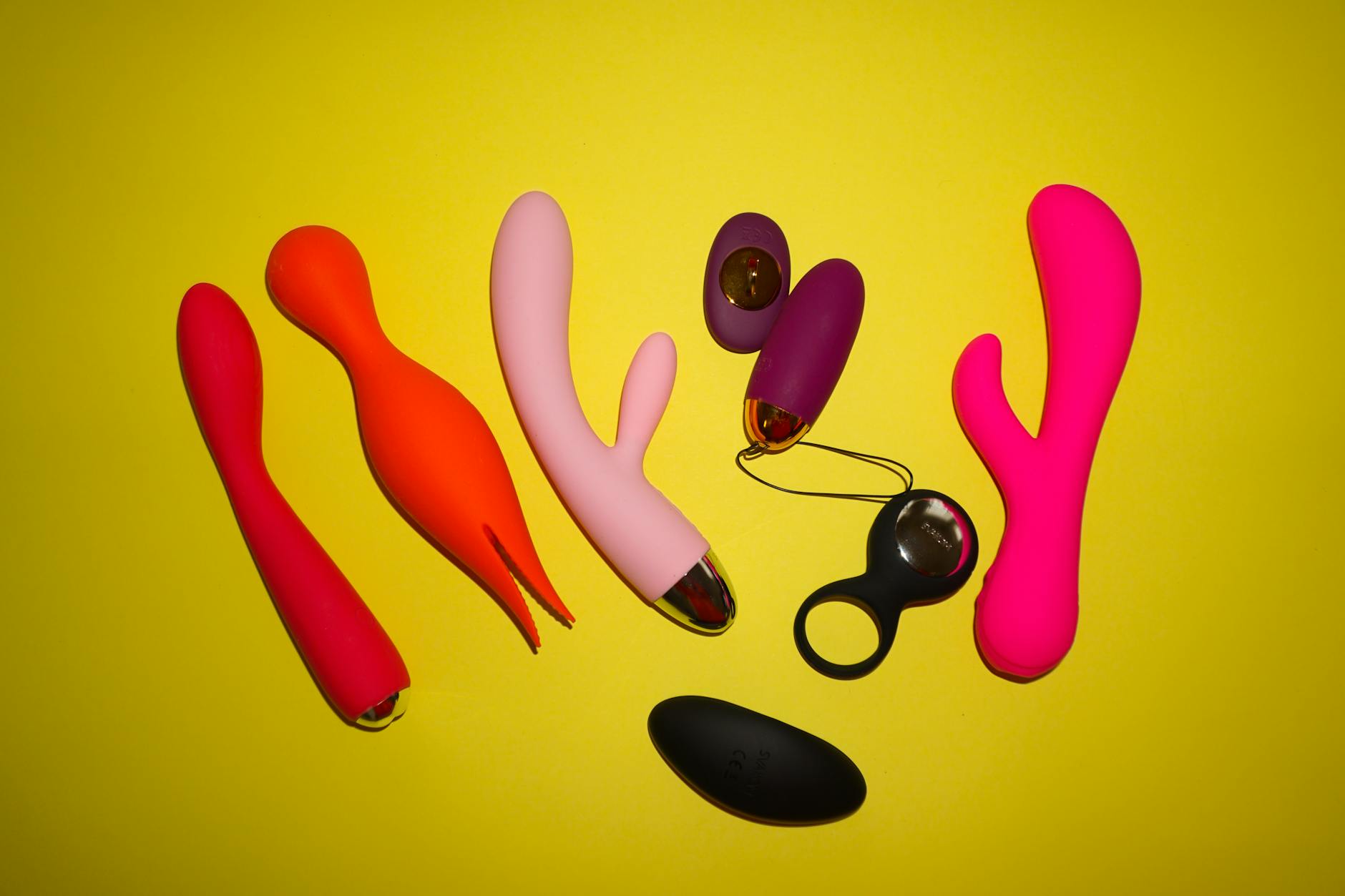
Let's talk about the elephant in the room
Introducing a vibrator to a new relationship feels like defusing a bomb sometimes. You're thinking: Will they think I'm not satisfied? Will it feel emasculating? Am I moving too fast? Is this weird?
Here's the reality. It's not weird. It's vulnerable, which is different. And vulnerability, when handled right, actually deepens early-stage intimacy instead of threatening it.
Why new relationships are the perfect time
Counterintuitive, but true. Early dating is when you're both still figuring out what you like, what you need, and whether you're compatible. A lemon clitoral vibrator isn't a criticism of your partner. It's transparency about your body.
Think about it this way: you wouldn't hide a medication you take. You wouldn't pretend to like Thai food if you hate it. A clitoral vibrator is the same category of honesty. It's information about you. When you present it that way, your partner stops reading it as "you're not enough" and starts reading it as "here's what helps me feel good."
One more thing. The science backs this. Couples who discuss pleasure preferences early tend to report higher satisfaction five years in. Not because the sex is "better," but because the communication infrastructure is solid.
The conversation: timing and framing
First, pick the right moment. Not mid-sex. Not when you're both exhausted. Not over text.
Do it when you're both relaxed, clothed, and have privacy. Maybe after dinner. During a car ride. Somewhere low-pressure.
Then lead with truth: "I want to be honest about something. I know what helps my body feel good, and I want to share that with you. It's not about you. It's about me knowing myself."
Note what you didn't do: you didn't apologize. You didn't frame it as a problem. You didn't ask permission. You stated a fact about your sexuality.
If they ask questions, answer them. "Does this mean I'm not enough?" Answer: "No. This means I'm inviting you deeper into knowing me." "Will you want this every time?" Answer: "No. Sometimes. It depends."
Why lemon vibrators work best for new couples
This matters because the type of toy shapes the whole conversation.
Traditional vibrators are fast, intense, and often require solo focus. A partner using one on you can feel like watching. It creates distance instead of closeness.
Lemon clitoral vibrators work differently. They use suction instead of traditional vibration, which means the sensation is gentler, more surface-level, and weirdly intimate. Your partner can use it on you while maintaining eye contact. While kissing. While being physically close.
It also helps that lemon toys are smaller. They're not intimidating. They look like they belong, not like some sci-fi thing that arrived from a dark corner of the internet.
And honestly? The suction pattern itself is forgiving for new couples learning what works. The sensation isn't so intense that you need silence and focus. You can talk. You can laugh. You can be present together.
The first time: expectations management
Don't assume it'll work perfectly the first time. That's not a failure. That's normal.
You might feel self-conscious. Your partner might feel uncertain about how to use it. The angle might be wrong. The setting might be too high. All of that is fine. You're figuring it out together.
What helps:
Start with lowest settings. Let your body adjust to the sensation. You can always go higher. You can't unscare yourself by going too hard too fast.
Guide your partner verbally. This isn't a test. "A little higher," "Yes, like that," "Slower," "Stay right there." This is directional information, and it's also foreplay. Your partner learns what you like, and you both feel connected.
Use plenty of lubricant. Even though lemon clitoral vibrators are designed for efficiency, lubrication makes everything feel better and removes any friction anxiety.
Have an exit strategy. If something doesn't feel good, say so. "Let's try something different," not "that didn't work." Reframe constantly. You're collaborating, not performing.
The emotional container matters more than the toy
I've worked with couples where a vibrator deepened intimacy and couples where the same toy created distance. The difference was never the toy. It was whether the couple had established permission to be honest about pleasure.
If you introduce a lemon vibrator but you're both performing, faking enthusiasm, and avoiding real conversation, the toy won't fix that. The toy just makes the distance more obvious.
But if you introduce it as an extension of "I want you to know all of me," something shifts. Your partner gets to see you receive pleasure without judgment. You get to ask for what you need. Both of you get evidence that this relationship can handle honesty.
That's where intimacy lives. Not in the toy. In the permission.
Handling resistance
Sometimes your partner pushes back. "I don't want you to need anything else." "That feels like it's replacing me." "I'm not comfortable with that."
Resist the urge to convince them. Instead, separate the two conversations again.
Conversation 1: Your pleasure and your sexuality are independent of them. A clitoral vibrator doesn't replace them. It's a tool, like lube or positions. Using one doesn't mean you love them less.
Conversation 2: "I need us to figure this out together because sexual compatibility matters to me long-term." You're not asking permission. You're inviting them to problem-solve.
Some partners need time. Some need reassurance multiple times. That's normal. What matters is that you stay clear about your boundary: "This is important to me, and I'd like your support. But I need to be comfortable with my own body regardless."
If a partner continues to resist after genuine conversation, that's information about compatibility. And early in a relationship, that's valuable information.
The shift that happens after
Most couples tell me the same thing after that first conversation: the sexual dynamic changes. Not because the sex is more intense. Because the foundation is more honest.
Your partner knows you advocate for yourself. You know they can hear you without getting defensive. You both have evidence that this relationship can handle realness.
That's what makes a lemon vibrator such a powerful tool early on. It's not about the physical sensation. It's about what you're saying: "I trust you with the complicated parts of me."
Frequently asked questions
How long should I wait before introducing a vibrator to a new relationship?
There's no hard timeline, but generally: not on the first or second date, but also not after six months if you're sleeping together regularly. The sweet spot is usually the first month or two, once you're comfortable being vulnerable but before sexual habits are completely locked in. The goal is introducing it early enough that it becomes normal, not something shocking later on.
What if I've never used a lemon vibrator before and I'm nervous about using it in front of a partner?
Try it solo first. Figure out what settings you like, what angle works, how long it takes. Go through a full session alone so you know what your body responds to. Then when you introduce it to your partner, you're speaking from experience, not uncertainty. That confidence is sexy and it takes the pressure off both of you.
Can my partner use a lemon clitoral vibrator on me if they've never done it before?
Absolutely. In fact, having them learn alongside you is part of the bonding. The learning curve is gentle because lemon suction toys are intuitive. Start on the lowest setting and let your body guide them. Your verbal feedback ("yes, there," "a bit softer") is your partner's instruction manual. They'll figure it out quickly.
Will using a vibrator make partnered sex feel less satisfying by comparison?
No. Different sensations serve different purposes. Partnered sex has rhythm, connection, and intimacy that a vibrator can't replicate. A vibrator has focused intensity that partnered sex sometimes can't provide. They're not competing. They're complementary. Many couples use lemon vibrators as part of foreplay or incorporate them into partnered sex rather than instead of it.
What if we use a lemon vibrator and I still don't orgasm?
Then you've learned something useful: the vibrator works for you under certain conditions, or it doesn't work for you at all. Neither outcome is failure. You've gathered information. Try different settings, different angles, different timings. Or switch to a different tool. The point is you're both paying attention to what actually works for your body instead of guessing.
How do I know if my new partner will be okay with this?
You don't until you ask. And that uncertainty is actually information about whether you're ready. If you're comfortable enough with this person to be vulnerable about your body, you're probably comfortable enough to have the conversation. If you're not comfortable being that honest yet, wait. Trust yourself on that timing.
The bigger picture
Introducing a lemon clitoral vibrator early in a relationship isn't just about pleasure. It's a statement. You're saying: "I know what I need. I'm willing to ask for it. I trust you with this."
That's the foundation of long-term sexual intimacy. Not passion. Not novelty. Trust, honesty, and the ability to ask for what you need without shrinking.
Your partner gets to choose how they respond. But you get to choose that you deserve to know your own body and to have that knowledge respected.
A lemon vibrator is just a tool. But the conversation around it, that's intimacy building in real time.