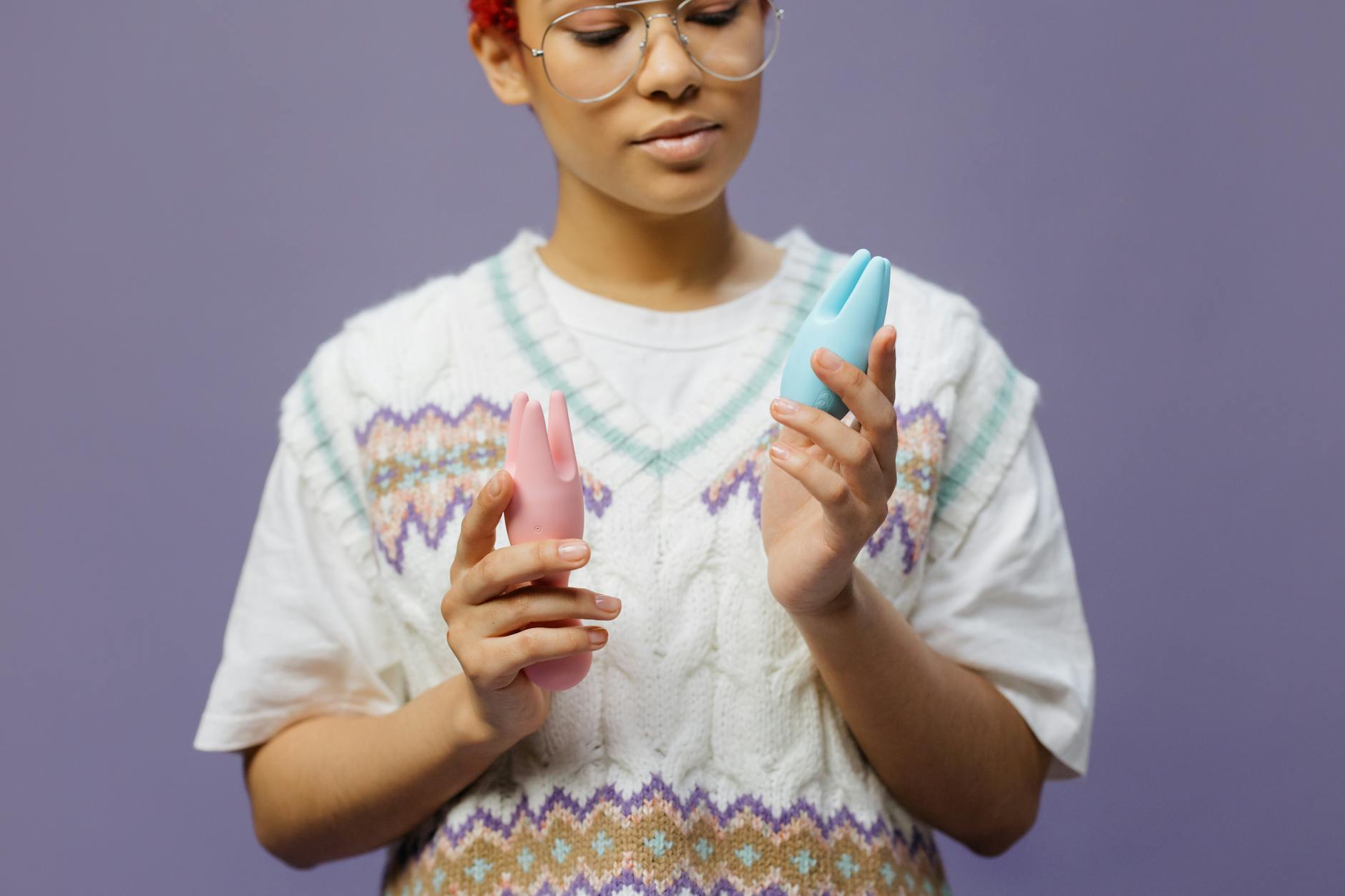
How Lemon Vibrators Help With Arousal After Antidepressants
Here's the thing about antidepressants and sex
They save lives. They also flatten arousal, delay orgasm, and make pleasure feel like you're trying to reach it through a pane of glass. Between 40 and 60 percent of people taking SSRIs report sexual side effects. That's not a rare experience. That's the norm, and almost nobody warns you about it until it's already happened.
The good news: it's not in your head, it's not relationship failure, and there are actual strategies that help. The best one I've seen work clinically involves understanding how lemon vibrators and suction-based clitoral stimulation work around the neurochemical bottleneck that SSRIs create.
Why SSRIs flatten desire first
SSRIs work by keeping serotonin in circulation longer, which lifts mood and reduces anxiety. The problem: serotonin also dampens dopamine release, and dopamine is what makes sex feel rewarding and urgent. Your brain literally receives fewer "this feels amazing" signals.
Then there's the mechanical piece. SSRIs slow nerve conduction in the peripheral nervous system, which means sensation takes longer to register and orgasm requires more sustained stimulation to build. It's like someone turned down the volume on your nervous system and also added a delay to the connection.
For many people, the flattening of arousal is the hardest part to sit with. The desire just... doesn't show up. You might feel touched and think "that should be turning me on," and feel nothing. It's not depression, it's not your relationship, it's a direct side effect of the medication keeping you stable.
Why traditional vibrators struggle here
Most vibrators rely on high-frequency oscillation to build sensation. They work beautifully for people with typical neurochemical responses. But when serotonin is elevated and dopamine is suppressed, that kind of stimulation can feel repetitive or exhausting rather than building pleasure.
You're already starting from a place of reduced sensation. Adding more of the same type of stimulus doesn't always help. You need something that creates a different neurological pathway altogether.
How suction-based lemon clitoral vibrators change the equation
Lemon vibrators use air-suction technology instead of traditional vibration. Instead of oscillating, they create a gentle pulling sensation that stimulates the entire clitoral structure, including the internal branches that extend deep into the body.
Here's why this matters for antidepressant-related flatness. Suction engages different nerve clusters than vibration does. It activates pressure-sensitive nerve endings alongside movement-sensitive ones, which means your nervous system is processing multiple types of input simultaneously. When dopamine is suppressed, this multi-sensory approach can create enough cumulative stimulation to break through the flatness.
Clinically, I've seen people restart with lemon adult toys after months of medication-induced numbness. The suction pattern feels novel to their nervous system. It's not fighting the antidepressant; it's working around it.
The arousal-building ritual that actually helps
Don't expect to pick up a lemon vibrator and feel immediate desire. The desire might not come back on its original timeline, and forcing it creates more frustration.
Instead, use suction-based stimulation as a way to rebuild the pathway between touch and pleasure sensation.
Start with curiosity, not expectation. Spend time exploring sensation without the goal of orgasm. Use the lower settings on the lemon sucker. Notice what feelings come up. Numbness is normal. So is surprised sensation. You're rebuilding the connection.
Build the ritual slowly. Three times weekly, 10 to 15 minutes. Consistency trains your nervous system to anticipate pleasure again, which is how dopamine starts circulating back into the cycle. Anticipation is half the battle when you're on SSRIs.
Combine with other dopamine pathways. Music, dimmed light, reading erotica for five minutes first. You're not trying to force arousal. You're creating an environment where multiple dopamine triggers are present simultaneously. The suction from the lemon vibrator becomes one piece of a sensory experience, not the entire load.
Why lubrication matters more now
SSRIs can reduce natural lubrication slightly. Water-based lube isn't a luxury here. It's part of the mechanism. Proper lubrication reduces friction, which means you can focus on the suction sensation itself rather than fighting discomfort. With a lem vibrator or similar lemon sexual toy, glide matters because the technology is about suction and pressure, not overcoming resistance.
Partner conversations that move things forward
If you're in a partnered relationship, the isolation around this issue often does more damage than the side effect itself. Your partner might think rejection is about them. You might internalize shame that isn't earned.
Have this conversation clearly. "My antidepressant is flattening arousal. This is temporary. I'm building a ritual with my clitoral vibrator to restart sensation. I'd like your support in protecting that time and not taking this personally."
If penetrative sex has been the primary pathway before, how lemon vibrators work with a partner without awkwardness is worth reading. Some partners find integrating the lemon clitoral vibrator into partnered sex actually reconnects intimacy faster than waiting for desire to return on its own.
When to talk to your doctor
SSRI sexual side effects are real, persistent, and worth addressing directly. Some options worth discussing.
You could ask about switching timing. Taking your SSRI at a different time of day sometimes reduces sexual side effects for certain medications. It's worth asking.
You could ask about adding a low dose of bupropion, which boosts dopamine and is sometimes used specifically to counteract SSRI sexual side effects.
You could ask about a medication switch. Some SSRIs have lower rates of sexual dysfunction than others. Sertraline tends to be lower than paroxetine. If you're early in treatment, a switch might be worth discussing.
Or you could keep your current medication and use the lemon vibrator and ritual approach. Many people do both. Many find that after three to six months of consistent suction-based stimulation, the neural pathway rebuilds enough that pleasure returns even while staying on the same dose.
What this looks like month by month
Month one: You're exploring sensation with a lemon clitoral vibrator. Pleasure is minimal. What matters is that you're creating a dopamine-building ritual around the experience.
Month two: You might start noticing small sensations earlier in the session. Anticipation increases because you've been consistent. Dopamine begins circulating again in context of this activity.
Month three to four: Orgasm might return, often with a different texture than before. More concentrated. Sometimes more intense. Many people say this is actually better than pre-medication sensation, because you've had to rebuild intent and attention.
The dopamine and expectation piece
This isn't about willpower or your relationship being broken. Your brain's reward system is genuinely dampened. Antidepressants are worth that trade-off for your mental health. And the flattening doesn't mean pleasure is gone forever.
Lemon vibrators and suction-based lemon sexual toys work because they introduce sensation your nervous system hasn't had to habituate to yet. You're not trying to out-stimulate the medication. You're working with neurobiology, not against it.
Your antidepressant is helping you survive. Your lem vibrator is helping you live. They can coexist.
FAQ: Common questions about antidepressants and lemon clitoral vibrators
Will a lemon vibrator work if I've lost all arousal on my SSRI?
Yes, though "work" might mean something different than before. A lemon sucker works differently than traditional vibrators because suction engages additional nerve pathways. Many people report that suction-based stimulation breaks through the flatness when traditional vibration doesn't. The goal early on isn't orgasm. It's sensation and dopamine rebuilding through ritual.
Can I use a lemon clitoral vibrator while still taking my antidepressant, or do I need to switch medications?
You don't have to switch. Many people use both simultaneously. The lemon vibrator helps rebuild the neural pathway for pleasure while the antidepressant continues protecting your mental health. That said, it's worth having the conversation with your doctor. Some doctors recommend adjusting timing or dose. Others might discuss adding a dopamine-supporting medication like bupropion. The vibrator and medication aren't mutually exclusive.
How long does it take to feel arousal again after starting a lemon vibrator ritual?
It varies widely. Some people notice a difference in sensation within two to four weeks. Others need three to six months of consistent use before desire meaningfully returns. The key is consistency, not intensity. Three times weekly for 10 to 15 minutes is more effective than occasional longer sessions. Your nervous system needs regular dopamine hits to rebuild the pathway.
Is it normal to feel frustrated or numb at first with a lemon sucker?
Completely normal. Numbness is often the most disorienting part because you're expecting to feel something and you don't. This is why the ritual approach works better than chasing immediate results. You're rebuilding a connection that got interrupted. That takes time and gentleness with yourself.
Should I tell my partner I'm using a lemon vibrator to manage antidepressant side effects?
That depends on your relationship agreement. If you're partnered and that person is aware of your sexual life, transparency helps. It prevents them from interpreting your solo exploration as rejection. If you frame it clearly ("I'm rebuilding sensation and desire. This is part of my wellness practice"), most partners become supportive rather than threatened.
Can I use a lemon clitoral vibrator and still have partnered sex?
Absolutely. Some people use it solo as part of rebuilding sensation, then integrate the lemon vibrator into partnered sex once arousal starts returning. Others find that including the lem vibrator in partnered sex from the start actually speeds up reconnection because you're not putting pressure on "natural" arousal to return before you're ready.
What if a lemon vibrator doesn't help after a few months?
That's information worth taking to your doctor. It tells you that the medication timing or type might need adjusting, or that you could benefit from the dopamine-support conversation. Some people need both the vibrator and a medication adjustment. Some need to switch SSRIs entirely. The lemon vibrator is a tool, not a cure. It's one piece of addressing a real side effect.
If you're navigating antidepressant sexual side effects, you're not broken. Your nervous system is doing exactly what the medication designed it to do, and that flatness is real and valid and addressable. Reach out to our team if you want to talk through what might work for you. Sometimes the best next step is just talking to someone who gets it.