Let's be real about hormonal arousal problems
Hormonal imbalances don't just lower your mood. They tank your sex drive before you even get into the bedroom. Estrogen, progesterone, testosterone, cortisol, thyroid hormones—when any of these get out of whack, arousal doesn't just feel slower. It feels like it's not there at all. And that's not in your head. It's in your endocrine system.
Here's the thing, though: your arousal system has more than one pathway. When the hormonal route is blocked, there's another way through. And that's where lemon clitoral vibrators—especially air-suction devices like the Lem—become weirdly powerful tools. Not a Band-Aid. A genuine workaround.
How hormonal imbalances break the arousal cascade
Arousal normally works like this. Your brain gets a signal (visual, touch, thought, context). That signal triggers the release of dopamine and norepinephrine. These chemicals tell your body to increase blood flow to the genitals, relax the pelvic floor, produce lubrication. The whole system becomes primed for pleasure.
But when hormones are off, this cascade gets interrupted at step one. Estrogen helps regulate dopamine receptors in the brain. Testosterone drives baseline desire. Cortisol (the stress hormone) actively suppresses both. So someone with high cortisol, low estrogen, low testosterone, or thyroid dysfunction gets stuck at the starting line. Their brain isn't even sending the signal in the first place.
And honestly? That's exhausting. Because you want to want sex. The lack of desire often feels like a personal failure rather than a chemical reality.
Why direct stimulation works when hormones don't
Here's what's brilliant about lemon clitoral vibrators: they bypass the entire hormonal messaging system and go straight to the nerves.
Your clitoris has thousands of nerve endings. When you apply direct, sustained stimulation—especially suction-based stimulation like the Lem provides—those nerves fire regardless of what your hormones are doing. You're not waiting for dopamine. You're not waiting for your brain to cooperate. You're activating a neural pathway that works independently of the endocrine system.
Suction is particularly effective here because it creates a gentle negative pressure that stimulates nerves without requiring the same intensity of direct friction. For people on hormones that have thinned genital tissue or reduced sensitivity, this matters. The Lem's air-suction technology mimics the sensation of oral sex—which, neurologically speaking, activates pleasure pathways differently than vibration alone.
Does this feel like work? Sometimes. But it's work that produces results when traditional "let's get in the mood" strategies crash against the hormonal wall.
The specific hormonal imbalances that tank arousal most
Three conditions show up again and again in clinic:
Elevated cortisol (chronic stress, burnout)
When you're chronically stressed, your body pumps cortisol and adrenaline. These are survival chemicals. Your body literally thinks it's under threat and shuts down non-essential functions—including desire. The cortisol-arousal tradeoff is real. High cortisol suppresses testosterone and dampens dopamine sensitivity.
Stress management helps (therapy, sleep, movement), but it's not instant. In the meantime, direct clitoral stimulation from a lemon vibrator can work because it bypasses the need for your brain to feel safe enough to want sex. You're creating arousal biochemically instead of waiting for psychology to catch up.
Low estrogen (perimenopause, postmenopause, certain medications)
Estrogen keeps genital tissue thick, lubricated, and well-supplied with blood flow. It also regulates serotonin, dopamine, and oxytocin. When estrogen drops, arousal becomes slower, genital sensation can feel muted, and the ability to orgasm shifts. This is common after coming off hormonal birth control, during perimenopause, and in postmenopause.
Water-based lubricant helps the mechanics. But a lemon sucker or clitoral vibrator helps the neurology. The sustained stimulation creates arousal signals that your body would normally generate through hormone-dependent pathways. You're replacing a missing chemical signal with a strong physical one.
Low testosterone (low libido across the board)
People with ovaries produce testosterone from the adrenal glands and ovarian stroma. Not a huge amount, but a crucial amount. When testosterone is low—whether from age, stress, medications, or underlying endocrine conditions—baseline desire evaporates. You don't think about sex. You don't feel the pull. Your body has very little interest in being touched.
This is the hardest to work around because you're fighting a lack of spontaneous desire. But many of my clients find that using a lemon clitoral vibrator regularly (even when they don't "feel like it") can restart the engine. Consistent stimulation, over weeks, can rebuild sensitivity and create positive neural associations with arousal. It's not instant. But it works.
How to use lemon vibrators when hormones are against you
If you're dealing with hormonal arousal problems, the approach matters.
Start with zero expectation. Don't use the Lem expecting pleasure. Use it expecting to get to know your body better under these conditions. Expectation kills arousal. Curiosity builds it.
Warm up longer than you think you need to. When hormones are low, you might need 20-30 minutes of solo exploration before anything builds. That's not abnormal. That's biology. Budget the time.
Use lube. Even if you're producing some lubrication, add water-based lube. Friction on thinned tissue (from low estrogen) or under-aroused tissue (from low testosterone) creates pain, not pleasure. Lube removes that barrier.
Focus on pattern, not intensity. The Lem has multiple suction patterns and intensities. When hormones are low, gentler patterns often work better than jumping to maximum power. Let your body tell you what builds rather than forcing intensity.
Track what works. Hormonal imbalances are dynamic. What worked last week might feel different this week. Keep a simple note (even just a private note on your phone) about which patterns, which times of day, and which settings create the most sensation. You'll start to see patterns.
Consider whether other treatments help. If you're willing, talk to a doctor about your specific hormonal situation. Sometimes hormone therapy, testosterone replacement, or treating an underlying thyroid issue will restore natural arousal completely. Sometimes it won't. But either way, you'll know what you're working with. And in the meantime, a lemon clitoral vibrator gives you a way to access pleasure that doesn't depend on hormones catching up first.
The companion strategies that actually work
Lemon vibrators work better when you address the hormonal side too.
Sleep matters more than you think. Hormonal balance lives or dies on sleep. Even a week of 6-hour nights tanks testosterone and estrogen. This is one of the easiest wins. If you can get 7-8 hours consistently, your arousal will improve independent of the vibrator.
Strength training is underrated for libido. Resistance exercise raises testosterone, reduces cortisol, and improves blood flow. You don't need to be at the gym for hours. 20-30 minutes of weight training 3 times a week meaningfully shifts hormonal arousal over 4-6 weeks.
Manage cortisol ruthlessly. Stress management isn't luxury. It's mechanics. Meditation, therapy, time in nature, time away from screens—whatever reduces your baseline cortisol will directly improve arousal. You might feel the difference within weeks.
Eat enough protein and fat. Hormones are built from cholesterol and amino acids. If you're undereating (especially if you're in a calorie deficit), your body will suppress reproductive hormones. Eat enough. Your libido depends on it.
The patience part
Here's what I tell clients: when hormones are the barrier, you're not broken. You're not low-desire by nature. You're experiencing a temporary chemical reality. And that means it's reversible.
But reversal takes time. If you've been dealing with high cortisol for two years, you're not going to feel like a new person in two weeks. If you just came off hormonal birth control, it can take 3-6 months for your body to recalibrate. Use a lemon vibrator in the meantime. Not as a cure, but as a way to stay connected to your body and your sexuality while chemistry catches up.
The Lem and other lemon clitoral vibrators are tools that work when hormones aren't cooperating. They're not a substitute for addressing the underlying imbalance. But they're a bridge that keeps you in the game while the real work happens.

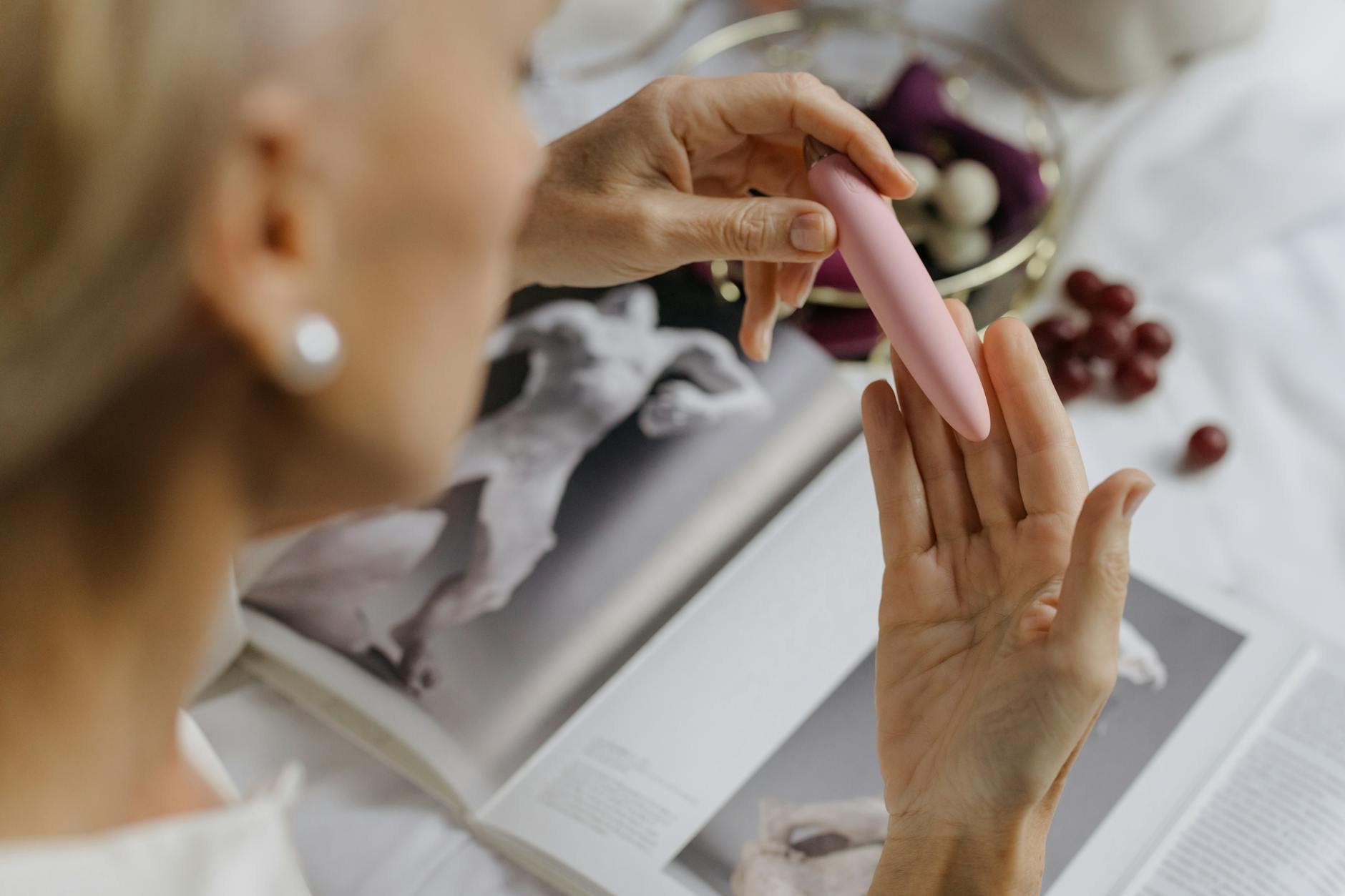
Photo by Frank Schrader on Pexels
People also ask
Can lemon vibrators actually fix low libido from hormonal imbalance?
Not fix it outright, no. But they work around it. A lemon clitoral vibrator like the Lem creates physical arousal signals independent of your hormonal system. That means you can experience pleasure and sensation even when your hormones are suppressing desire. Over time, positive experiences with the vibrator can rebuild sensitivity and neural connections. But if the underlying hormonal imbalance isn't addressed (through sleep, stress management, medical treatment, or lifestyle change), the low libido will persist outside of using the vibrator. Think of it as a workaround, not a cure.
How long does it take to feel arousal with a lemon vibrator when hormones are low?
This varies wildly. For some people, the first time produces noticeable sensation. For others, it takes weeks of regular use to rebuild sensitivity. The key is consistency. Use the vibrator a few times a week (or more, if you want), without expectation. After 4-6 weeks of regular use, most people notice that arousal builds faster and feels more intense. But everyone's timeline is different.
Should I use a lemon clitoral vibrator every time I want sex, or can I develop arousal naturally again?
Both. Many people use a vibrator to jumpstart arousal, then continue partnered sex or solo play without it. Others use it every time and find that perfectly fine. The goal is pleasure, not proving something to yourself. Some days you might want the lemon vibrator's help. Other days (especially as hormones stabilize), you might not need it. Let your body guide you.
Does suction work better than vibration when hormones are suppressing arousal?
Often, yes. Suction devices like the Lem stimulate nerves differently than traditional vibrators. The gentle negative pressure activates pleasure pathways that don't require the same sensitivity or tissue thickness that vibration does. For people dealing with low estrogen, low testosterone, or hormonal numbness, suction-based lemon sexual toys often produce sensation when other vibrators don't. That said, everyone's body is different. Some people respond better to vibration, others to suction, others to a combination.
Can I use a lemon vibrator while on antidepressants or other medications that kill libido?
Yes. Many medications (SSRIs, certain blood pressure drugs, antipsychotics) suppress arousal as a side effect. A lemon clitoral vibrator bypasses that mechanism by stimulating nerves directly. You might need more time or a higher-intensity setting than someone not on these medications, but the vibrator can still create arousal. Talk to your doctor if the medication is severely impacting your desire—sometimes switching meds or adjusting dosage helps. But in the meantime, a lemon vibrator is a practical tool for maintaining pleasure.
What's the difference between the Lem and a regular vibrator for hormonal arousal problems?
The Lem uses air-suction technology, which mimics oral sex and creates sustained stimulation without requiring intense vibration. For people with low sensitivity (from hormonal imbalance, aging, or medication), suction often works better because it stimulates more nerves across a larger area with less mechanical pressure. Regular vibrators rely more on direct friction, which can feel too intense or not intense enough depending on your current sensitivity. Suction-based lemon clitoral vibrators are generally the better choice for hormonal arousal problems, though you won't know for sure until you try.
Next steps
If hormonal imbalance is killing your arousal, you're not alone. This is one of the most common barriers to pleasure I see in my work. Start with the basics: sleep, stress management, and movement. Talk to a doctor about your specific hormonal picture if you haven't already. And give yourself permission to use tools—like a lemon clitoral vibrator—that help you stay connected to pleasure while chemistry catches up.
Have questions about how the Lem works, or need to troubleshoot something specific? Reach out. Contact us and let's talk about what might work for you.