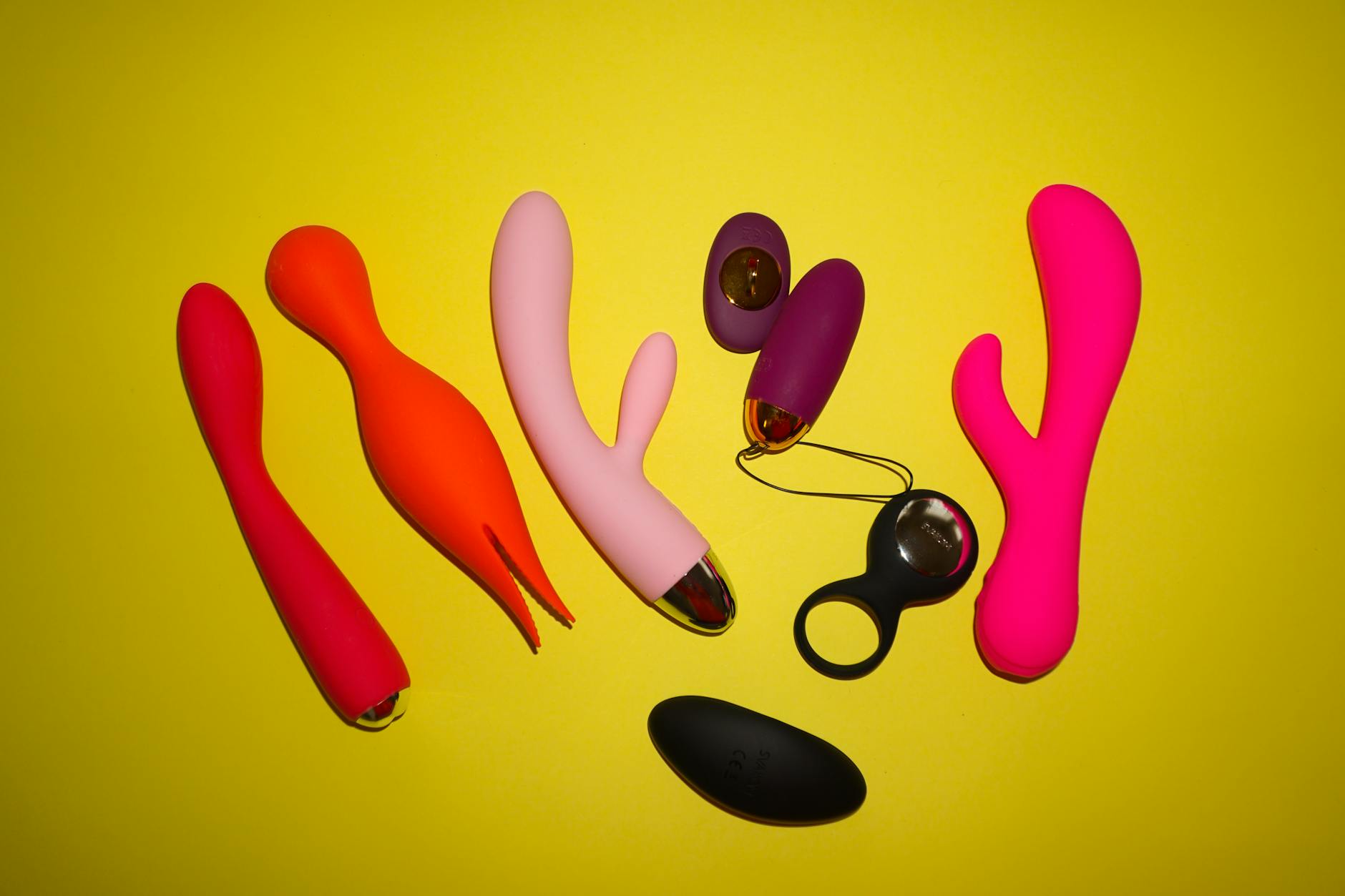
Let's talk about what actually happens
A hysterectomy removes your uterus. That's the clinical fact. But here's what nobody explains clearly: your clitoris, your vulva, your capacity for orgasm, and your pleasure circuitry stay exactly where they are. What changes is the internal architecture around them, and that shift is real enough to notice. It's not the end of sensation. It's the beginning of learning your body all over again.
I've worked with dozens of people navigating this transition, and the most common response I hear is: "I thought I was broken." You're not broken. Your nervous system is reorganizing. And there's a legitimate physiological reason why lemon clitoral vibrators become such a useful tool during this time.
What surgery actually changes
When you have a hysterectomy, the surgeon removes your uterus and sometimes your cervix. If your ovaries stay, your hormone levels generally remain stable. If they're removed, you're in surgical menopause, which brings its own set of changes. But here's the crucial part: the clitoris is structurally independent.
What does shift are the internal sensations you're used to. Many people lose the feeling of deep internal pressure or fullness that they associate with arousal and orgasm. This isn't numbness. It's the absence of stimulation from structures that are no longer there.
The vaginal canal itself becomes shorter post-hysterectomy (the top is sutured closed), which can change what types of penetration feel comfortable or pleasurable. Some people find they need different angles, depths, or intensities. Others discover that external stimulation becomes their primary source of pleasure. Both are completely normal.
Why nerve pathways take time to rewire
Your nervous system is trained. For decades, it's associated arousal with a specific sequence of sensations. Your uterus contracting. Your cervix being stimulated. The building pressure inside your body. All of that is gone now.
This doesn't mean you can't have orgasms. Clitoral orgasms exist independently of uterine contractions. But your brain is used to a certain pattern, and retraining that pattern takes patience and intentional practice.
During the early recovery phase (the first 6-8 weeks), most gynecologists recommend avoiding sexual activity entirely to allow tissues to heal. After that, the reintroduction of touch, arousal, and eventually orgasm is a gradual process. The clitoris is extremely resilient, but it responds better to consistent, low-pressure stimulation when you're relearning your body.
This is where lemon vibrators become genuinely useful. Unlike traditional vibrators, which apply direct mechanical vibration, lemon suction vibrators use gentle suction pulses that stimulate nerve endings without the friction that can feel overwhelming during healing.
How lemon clitoral vibrators fit into recovery
The Lem and similar lemon-shaped clitoral vibrators work differently than traditional vibrators. Instead of rapid, direct buzzing, they create a gentle suction sensation that mimics the feeling of oral stimulation. For people rediscovering sensation after surgery, this matters.
Here's why: suction stimulation activates different nerve endings than vibration alone. It's less jarring, it builds sensation more gradually, and it doesn't require the kind of direct friction that can feel raw or uncomfortable when tissues are still reorganizing.
Start at the lowest setting. The Lem has multiple intensity levels specifically because different bodies need different approaches. In the recovery phase, you're not chasing intensity. You're retraining your nervous system to recognize pleasure signals.
Spend 15-20 minutes just exploring. Use water-based lubricant if your surgeon has cleared you for sexual activity. Move slowly across your vulva instead of focusing directly on the clitoris if that feels too intense. Your clitoris will become more responsive over time.
The emotional part (which is half the battle)
Hysterectomy often comes wrapped in grief, even when you chose it. Your body looks different, feels different, and functions differently. The temptation to rush past that grief and "get back to normal" is strong. But normal has changed.
Many people I work with describe a strange disconnect: intellectually knowing they still have the capacity for pleasure, but emotionally feeling like that part of them is gone. The contradiction is confusing and frustrating.
This is where patience with sensation becomes patience with yourself. When you pick up a lemon vibrator for the first time post-surgery, you're not just relearning what your body can do. You're telling yourself that your pleasure still matters, that recovery includes reconnection, not just healing.
If you have a partner, this is a conversation worth having separately from the physical exploration. "I'm ready to start reintroducing touch" is different from "I want things to feel the way they used to." One is about recovery. The other is about expectation. Keep them separate.
Building sensation gradually
The first few times you use a lemon vibrator post-surgery, you might feel very little. That's information, not a problem. Your tissues are reorganizing. Your nervous system is still mapping what pleasure looks like without the internal architecture it's used to.
Here's a practical progression that tends to work:
Weeks 6-8 post-surgery: Light external touch only. No vibration. This is about reintroducing sensation without pressure. Your surgeon will have cleared you by now, but gentle is the operative word.
Weeks 8-12: Introduce a lemon vibrator at the lowest setting. Spend time on the outer vulva and the clitoral hood. You're not trying to orgasm. You're retraining your nervous system.
Weeks 12+: Increase intensity gradually if you want to. Some people find that their most satisfying orgasms come from external clitoral stimulation alone, especially post-hysterectomy. Others discover they need a combination approach. There's no right answer.
Pay attention to what feels different about sensation now. Sharper? More localized? Less building pressure? That feedback is gold. It's how you learn what your body actually wants, not what it used to want.
When sensation doesn't come back
Sometimes the reconnection takes longer than expected. Or it doesn't fully happen. This can be frustrating, especially if you were someone with an easy, reliable pleasure response before surgery.
If it's been more than 3-4 months and sensation still feels numb or absent, talk to your surgeon or a pelvic floor specialist. Occasionally, nerve damage happens during surgery. It's rare, but it's worth investigating. A good pelvic floor therapist can assess whether you have intact sensation and help retrain your nervous system if needed.
Some people also find that their desire itself has shifted post-hysterectomy, especially if their ovaries were removed and they went into surgical menopause. Low desire and numbness can tag along together. Addressing hormones separately from sensation can help.
The pleasure that often comes after
Here's what I tell people when they're frustrated that their body doesn't feel the same: your body isn't broken. It's just been simplified. Your clitorus hasn't changed. Your capacity for orgasm hasn't changed. What's gone is the complexity.
Many people find that once they stop chasing the sensations they used to have, they discover entirely new ones. External stimulation becomes the star. Orgasms become sharper, more focused, and sometimes more intense. The absence of internal pressure means the clitoris gets all the attention.
This isn't magical thinking. It's neurology. When one sensory channel closes, the brain amplifies others. Give that amplification time to develop.
People also ask
How long after a hysterectomy can I use a lemon vibrator?
Most surgeons clear you for sexual activity at 6-8 weeks post-surgery, once internal sutures have healed. Start with external touch only. Introduce a vibrator gradually at low intensity. If you experience pain, bleeding, or unusual discharge, stop and contact your surgeon. Pain is information that something isn't ready.
Will my orgasms feel different after a hysterectomy?
Very likely, yes. Many people report that clitoral orgasms feel more localized and intense post-hysterectomy because the cervix and uterus no longer contract. Some miss that full-body sensation. Others prefer the clarity of external stimulation alone. Both responses are normal. Your orgasms haven't disappeared. They've shifted.
Can I still have deep penetration after a hysterectomy?
Yes, but the internal structure is different. Your vaginal canal is shorter at the top (the cervix is gone), so depths that felt comfortable before may feel uncomfortable now. This is where communication and gradual exploration matter. Positions and angles that worked before might need adjustment. Work with your partner or explore alone to find what feels good now.
Why do lemon vibrators feel less intense than regular vibrators after surgery?
Lemon suction vibrators work through gentle pulsing sensation rather than direct mechanical vibration. This can actually be an advantage post-surgery because tissues are still reorganizing and direct vibration can feel overwhelming. As sensation returns and healing progresses, intensity often becomes more pleasurable. Start low and build gradually.
Should I expect to lose sensation permanently after a hysterectomy?
No. Temporary numbness or decreased sensation is normal for the first few months. Most people experience gradual return of sensation over 3-6 months. If numbness persists beyond 6 months, mention it to your surgeon or a pelvic floor specialist. Nerve damage during surgery is rare but does happen occasionally.
Is it normal to feel grief about hysterectomy pleasure changes?
Completely normal. Even if you chose the surgery, your body has changed. Grieving that shift, while simultaneously rediscovering pleasure, is a real emotional and physical process. Consider talking with a therapist who specializes in body image and sexual health. You're not overreacting. You're processing a real loss and a real transition. Both matter.