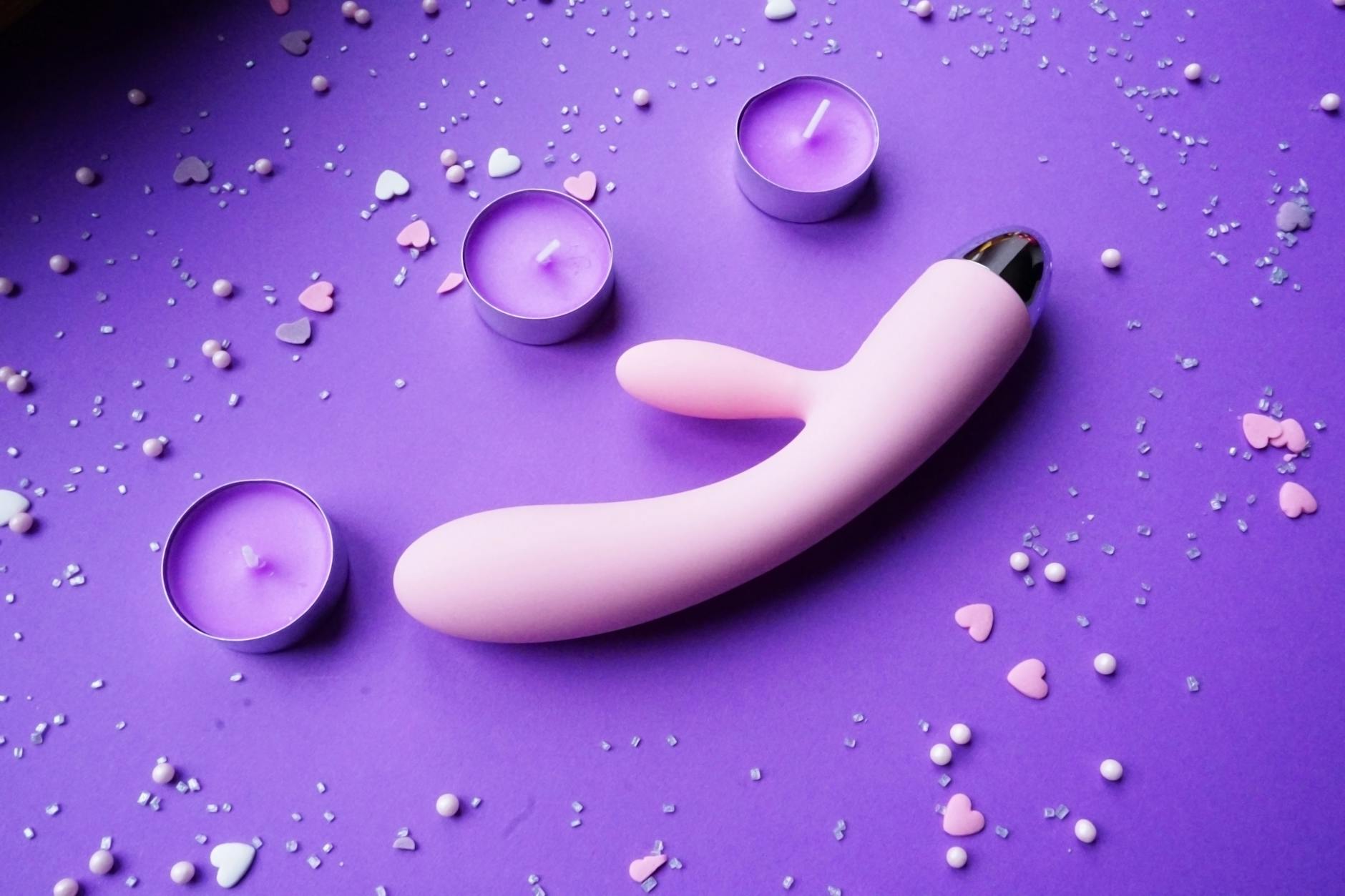
The truth about desire when you're heartbroken
Grief doesn't just affect your mood. It hijacks your nervous system. Your body goes into protection mode, and pleasure. Well, pleasure gets deprioritized fast. If you've tried using lemon vibrators or any kind of toy since a breakup and felt nothing, or felt something and then felt guilty about feeling it, that's not a personal failure. That's neurobiology.
Here's what I see clinically: people expect desire to return on a timeline that matches their emotional recovery. "I'm doing okay, so my body should work again." That's not how this works. Grief and pleasure operate on different schedules entirely.
What happens to your body during loss
When you experience heartbreak or the end of a significant relationship, your brain releases cortisol and adrenaline. These stress hormones literally suppress sexual response. Your parasympathetic nervous system, the one responsible for arousal and relaxation, gets crowded out by the sympathetic system's fight-or-flight response. You're essentially living in a state of low-level emergency for weeks or months.
At the same time, dopamine drops. Dopamine is the currency of pleasure. Anticipation, satisfaction, curiosity, reward.all of that is dopamine's job. Grief depletes it. So even if you intellectually want pleasure, the neurochemistry isn't there yet. Your body isn't refusing you. It's protecting you.
There's also a guilt layer that a lot of people don't talk about. You might feel disloyal having any pleasure response while grieving. Some people worry it means they didn't love the person. That's backwards. Your capacity to feel pleasure is completely separate from how deeply you loved or how much you're hurting.
The realistic timeline for reconnection
There's no universal answer, but I can offer a framework based on what I see across different types of loss.
Weeks 1-4: Your body is in acute survival mode. Even if you reach for a lemon vibrator out of habit or as a test, expect nothing. This isn't the time to force it. Rest is legitimate work right now.
Weeks 5-12: Tiny windows start opening. You might have a moment of curiosity or a faint sense of sensuality. It's not arousal yet, but it's a crack. Some people use a lemon vibrator here to check in with their body, not to achieve orgasm. Low pressure. Low stakes.
Months 3-6: Desire often begins to re-emerge in this window, but it's still fragile and unpredictable. You might feel interested one day and completely shut down the next. This is normal. Keep a lemon sucker around, but don't expect consistency. Your nervous system is still calibrating.
Months 6-12: For many people, this is when lemon clitoral vibrators actually start to work effectively. Not because the physical toy changed, but because your body has stabilized enough to process pleasure again. The timeline varies wildly depending on how long the relationship lasted, how the breakup happened, and your support system.
Over 12 months: Pleasure usually feels more integrated by this point. You're not grieving anymore; you're healing. Lemon vibrators work reliably because your body isn't in protection mode anymore.
That said, I've worked with people who connected with pleasure again within four weeks and others who needed two years. Duration of the relationship matters. Intensity of the bond matters. Whether the breakup was your choice matters. Trauma, abuse, or unexpected loss changes the timeline entirely.
Why a lemon vibrator feels different now
Even when you're ready for pleasure again, the experience itself might feel strange. A toy that used to feel amazing might feel muted. Or you might feel pleasure and then feel weird about it immediately after. Both are grief residue.
Lemon vibrators are particularly useful during grief recovery because they're external, which means they don't require the kind of vulnerability that partner sex does. You're not navigating someone else's presence or expectations. You control the pace entirely. That agency matters when your nervous system has been overwhelmed.
The suction sensation of a lemon clitoral vibrator can also feel grounding in a way that other toys don't. It's a concentrated, rhythmic sensation. When your brain is scattered by grief, that focused input can actually feel restorative rather than overwhelming.
But here's the honest part: if you're using it as a way to avoid feeling grief, it will feel hollow. If you're using it to reconnect with your body and to remind yourself that you're still alive and still capable of pleasure, it can be genuinely healing.
The emotional piece (which is bigger than the physical)
I've noticed that the people who reconnect with pleasure fastest after heartbreak aren't the ones who force themselves back into sexual activity. They're the ones who do the grief work first. Therapy, journaling, time with friends, moving their body, sitting with the sadness.
Pleasure doesn't heal grief, but reconnecting with your body and with the things you enjoy is part of moving through it. It's a signal to yourself that life continues. That you're not broken. That you still matter.
If you're using lemon vibrators and it feels complicated, bring that to your therapist or a close friend. Grief is lonely enough without pretending your pleasure responses are supposed to be straightforward.
When to trust your body, and when to be patient
If weeks or months have passed and you feel ready to reconnect, trust that. Reach for a lemon vibrator if that appeals to you. You don't need permission.
If you try and feel nothing, or feel something guilty, that's also legitimate. Your body isn't wrong. It's telling you something about where you are in the process.
One thing I recommend: don't judge the experience against your pre-breakup baseline. Pleasure after loss will feel different because you are different. You've been through something. That doesn't mean it's worse. Often it's deeper.
Practical steps for reconnection
When you're ready, here's what actually helps:
Start slow and private. No pressure for a specific outcome. A lemon clitoral vibrator works best when you're not trying to achieve something. Think of it as reconnection, not performance.
Pay attention to your nervous system. If you feel tense or panicked, stop. That's not a failure. Your body is still processing.
Don't rush the guilt. Sometimes pleasure after loss carries guilt with it. Sit with that for a moment rather than rushing past it. It usually softens on its own.
Consider pairing pleasure with other self-care. A bath. Soft music. Time alone. The context matters as much as the tool.
Remember that desire will return unevenly. You might have days where you feel alive and curious and other days where everything feels flat again. Both are normal.
FAQ
How soon after a breakup is it okay to use a lemon vibrator again?
There's no rule. Some people feel ready in weeks. Others need months. Your readiness isn't measured by time on a calendar. It's measured by whether you actually want to, not whether you think you should. If you're reaching for it out of habit or obligation, wait. If you genuinely feel curious, you're probably ready enough to explore without pressure.
Will using a lemon clitoral vibrator help me get over my ex faster?
No, and that's actually good news. Pleasure isn't a shortcut through grief. But reconnecting with your own capacity for sensation and joy is part of the healing process. It's not the main event. It's a small signal that life is still happening inside your body.
I feel guilty about wanting pleasure while I'm still sad about the relationship. Is that normal?
Completely normal. Grief doesn't have to be constant to be real. You can miss someone and also want to feel good. You can be heartbroken and also be alive. Those things coexist. Guilt about pleasure during grief is so common that I'd be more worried if you didn't feel it. The guilt usually eases as you move through the grief, not because you're supposed to want pleasure, but because the grief itself softens.
What if I try a lemon vibrator and feel nothing? Does that mean something's wrong?
It means your body's protective system is still engaged. That's not wrong. That's intelligent. Keep the toy around. Keep checking in. Somewhere between week eight and week twenty-four, something usually shifts. Your body will let you know when it's ready. Forcing it doesn't speed the process.
Can using a lemon vibrator retraumatize me if the relationship ended badly?
It can trigger complicated feelings, especially if sex or intimacy was part of what made the relationship complicated. That's not a reason to avoid pleasure entirely. It's a reason to approach it carefully and maybe to work with a therapist who understands both trauma and sexuality. A lemon sucker is a gentle way to check in with your body at your own pace. If it feels unsafe, that's real information.
How do I know if I'm ready to date again versus just ready to feel pleasure alone?
They're not the same timeline. You can reconnect with solo pleasure while you're still healing from a relationship. In fact, that's often the healthier order. When you're grounded in your own body and your own pleasure, you're less likely to rush into the next relationship as a way to avoid feeling loss. Use that time alone, with a lemon vibrator or just with yourself, to remember who you are when you're not defined by a partnership.
The bottom line
Grief is not a linear process, and neither is the return of desire. If you're wondering how long a lemon vibrator will take to work after heartbreak, the honest answer is that it depends on your nervous system, your history, and the depth of the loss. But most people find that reconnection begins somewhere between month three and month six, with full pleasure returning somewhere in the six-to-twelve-month window.
Your body isn't broken. You're not weak for struggling with pleasure during grief. And you don't have to earn the right to feel good again. When you're ready, a lemon clitoral vibrator can be a gentle tool for reconnection. Until then, rest is legitimate work.
If you're navigating grief and feeling stuck, talking to someone who understands both heartbreak and sexuality can help. Reach out if you need support.