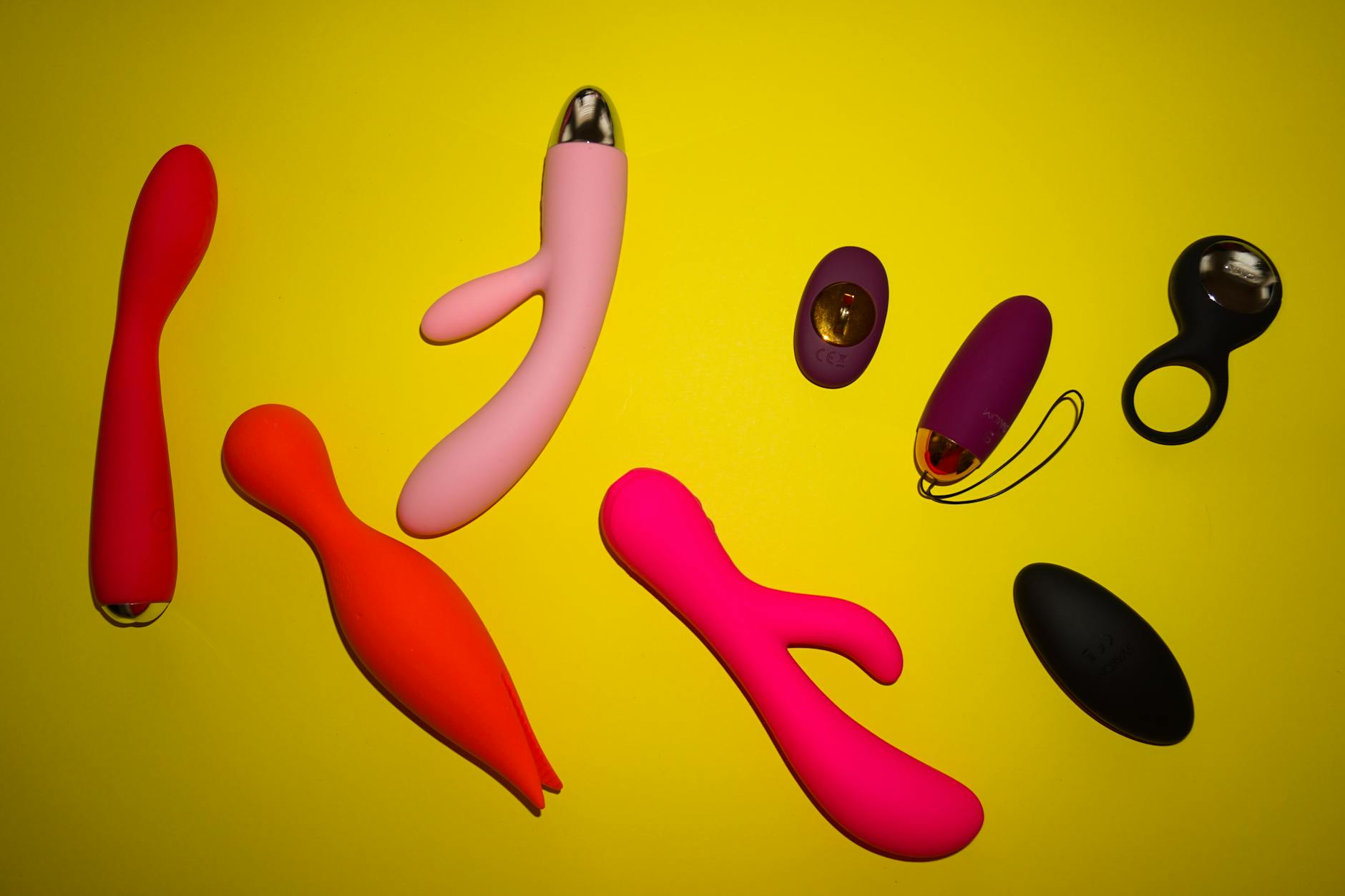
Let's talk clitoral anatomy like adults
Here's what most vibrator guides get wrong: they treat the clitoris like one standard thing. It isn't. Your clitoris has unique dimensions, sensitivity zones, and a particular preference for sensation intensity. That's why one lemon vibrator feels perfect for your friend and completely overwhelming for you. Not a flaw. Just anatomy.
I've worked with hundreds of couples navigating this exact problem, and the pattern is always the same: the person tries a vibrator that worked brilliantly for someone else, finds it uncomfortable, and assumes vibrators aren't for them. Wrong conclusion. Wrong vibrator is the actual answer.
Why clitoral size and shape matter more than you think
Your clitoris isn't just that tiny visible part. It's a complex organ with internal branches, nerves, and tissue that varies significantly from person to person. Some clitorises are more exposed and prominent. Others sit deeper beneath the hood. Some are hypersensitive at the tip. Others respond better to broader stimulation across the whole vulva.
This isn't academic trivia. It directly determines which vibration patterns, suction strengths, and toy shapes will feel good versus irritating. A lemon vibrator that uses gentle suction works beautifully when your clitoris has moderate sensitivity. That same device can feel like a vacuum if your tissues are particularly reactive. Understanding your own anatomy means you can actually predict what will work before you buy.
The sensitivity spectrum and what it means for lemon vibrators
Think of clitoral sensitivity on a spectrum from very sensitive to less sensitive. This isn't about being "normal" or "broken." It's about nerve density, blood flow patterns, and how your tissue responds to pressure changes.
Very sensitive (about 30% of people): Light touch feels intense. Direct suction from a lemon clitoral vibrator can feel overwhelming. You're looking at lower suction strengths, indirect stimulation, or broader surface contact.
Moderate sensitivity (about 50% of people): The sweet spot for most suction-based devices. A standard lemon vibrator at mid-range settings feels good without numbing out. This is where the Lem works most predictably.
Less sensitive (about 20% of people): Needs stronger stimulation to register pleasure. Higher suction settings, longer warm-up times, and sometimes combining patterns helps. You might gravitate toward stronger vibration or layering sensations.
Sensitivity can also change. Hormonal shifts, medication, stress levels, and pelvic floor tension all affect how reactive your tissues are on any given day. That's normal too.
How to assess your own sensitivity before you buy
Honestly, the best way to understand what you like is to pay attention to what you already respond to. When you self-explore without a toy, what pressure level feels good? Do you prefer focused direct stimulation or broader, gentler contact? Do you like steady sensation or patterns that shift? Your hands are free data.
You can also test sensitivity with your fingers. Use your index finger to apply gentle, medium, and firm pressure to your clitoris over a few minutes. Notice when it starts to feel good, when it peaks, and if it becomes too much. That's your baseline.
Another useful test: how do you respond to other touch? If you're someone who gets overwhelmed by clothing tags or finds vigorous massage uncomfortable, you're probably in the very sensitive range. If you prefer firm pressure in massage and like intense sensations generally, you're likely moderate to less sensitive.
Body size and pelvic anatomy: why it matters
Vulva size, pubic mound prominence, and pelvic bone structure all affect how a lemon vibrator sits against your body. If you have a fuller pubic mound, you might need a toy with a longer neck to reach the clitoral area comfortably. If your vulva is compact, a smaller profile device works better.
Pelvic floor tension also plays a role. If your pelvic floor muscles are chronically tight (common with anxiety, posture habits, or stress), your tissues might feel more sensitive to pressure. You might gravitate toward gentler lemon vibrators or need longer warm-up periods. If you have pelvic floor laxity, you might prefer stronger stimulation to feel changes.
None of this is a problem to fix. It's just information that helps you choose a device that matches your body, not fight it.
Suction strength: matching intensity to your body
The real innovation of a lemon sucker vibrator is suction. But suction intensity varies, and the right level depends entirely on you.
Lower suction (settings 1-3): Best for very sensitive tissues, during high-stress periods when your body is more reactive, or when you're exploring without an established pattern yet. It feels more like gentle stimulation than aggressive pressure.
Medium suction (settings 4-6): The most versatile range. Enough pressure to create distinct sensation and build arousal without overwhelming most bodies. This is where most people find consistent pleasure.
Higher suction (settings 7-10): For less sensitive tissues or when you want intense, focused sensation. Also useful when you've been using a device regularly and want to refresh the experience.
Starting low and building up is wisdom, not weakness. Your tissues warm up with time, blood flow increases, and arousal naturally shifts your sensitivity. What feels too intense at the start of a session might feel perfect five minutes in.
The difference between sensitivity and responsiveness
Here's a distinction that changes everything: being less sensitive doesn't mean less responsive. Someone might have tissues that don't react to light touch but respond dramatically to stronger sensation. The lemon vibrator works because it can modulate intensity. You're not stuck with one level.
I've also noticed that responsiveness improves with practice, stress reduction, and better communication with your body about what actually feels good. Many people I work with find that after a few sessions understanding their device, their sensitivity baseline shifts. Not because anything is wrong, but because they've relaxed into the experience.
Pairing your anatomy with device features
Once you understand your sensitivity and anatomy, matching to a device becomes straightforward. A lemon clitoral vibrator like the Lem works well if you want precision, suction versatility, and a device designed specifically for clitoral anatomy. The design accounts for the fact that clitorises vary and that pressure-based stimulation (rather than just vibration) gives you more control.
If you find the standard lemon vibrator too intense, starting on lower settings and using it indirectly (through clothing or with your hand as a buffer) is completely valid. If you need stronger sensation, moving through the intensity range gives you flexibility.
What changes as you explore more
Your preferences aren't fixed. Bodies change monthly with hormones. They change seasonally with stress and sleep. They change across years with relationship shifts and life transitions. The goal isn't finding the one perfect vibrator forever. It's understanding your body well enough to make choices that feel good right now.
Many people find that as they get comfortable with one device, their arousal baseline shifts. You might start at a certain suction level and find six months later that a different intensity feels better. That's not the device failing. That's your body learning and evolving.
Getting practical about choosing
When you're actually shopping, here's the framework I recommend: Know your sensitivity baseline from the assessment work above. Start with a device designed for your sensitivity range, not at the extreme end. Plan to spend at least 3-4 sessions exploring your device before deciding if it works. Use it in ways that feel good first (indirect stimulation, lower settings) before experimenting with intensity. Trust what your body tells you, and be willing to adjust settings or technique as you go.
Your pleasure is worth getting right. That means taking time to understand what your body actually needs, not just what worked for someone else.
Frequently asked questions
How do I know if a lemon vibrator is too intense for my sensitivity?
If you feel sharp pain, numbness developing quickly, or strong discomfort that doesn't ease as you relax, the intensity is too high for your body right now. Try a lower setting, use the device indirectly (through clothing or with a hand buffer), or take a break. Pleasure should feel like building sensation, not fighting sensation.
Can clitoral sensitivity change throughout my cycle?
Absolutely. Most people find their tissues are more sensitive right before and during their period, and less sensitive mid-cycle. Hormonal birth control, medications, and stress all shift sensitivity too. Tracking when you feel most comfortable with intensity helps you adjust settings accordingly.
Is it normal to need a higher suction setting as I use a device more?
Yes, but it's not an addiction thing. Your nervous system adapts to repeated stimulus, which is why novelty or variation often feels better than the same pattern every time. If you notice you need higher settings, try switching patterns, taking a break, or using your device less frequently for a bit. Your sensitivity will recalibrate.
What if my partner and I have totally different sensitivity levels?
This is incredibly common, and it's why adjustable devices like lemon vibrators are genius. You can each set your own preferences. If you're sharing a device, taking turns choosing the setting is fair. If you each have your own, there's zero pressure to match. Your bodies are different. Your devices can be too.
How do I use a lemon vibrator if I'm very sensitive?
Start on the lowest setting. Use it indirectly by placing it against your outer vulva or through underwear. Take breaks every minute or two to let sensation settle. Many very sensitive people find that pairing a lemon vibrator with a partner's touch creates a softer experience. You're not less capable of pleasure. You just need a different approach.
Can I change sensitivity levels over time with practice?
Yes, in both directions. Some people become more responsive as they relax and explore. Others find they're more sensitive after periods of stress or health changes. Your sensitivity isn't a fixed trait. It's dynamic. If something feels different than it used to, check in with stress levels, sleep, hormones, and pelvic floor tension before assuming the device has changed.
The bottom line
Choosing the right lemon vibrator isn't about finding the fanciest or most popular option. It's about matching a device to your actual body, sensitivity, and what creates pleasure for you specifically. That takes a little self-knowledge and some willingness to experiment. But once you get there, you know exactly what works. And that knowledge transfers across devices and partners and life changes. Your body isn't the problem. The wrong tool is the problem. Get the right one, and everything shifts.
If you're still sorting through what feels right, or if pleasure feels complicated for reasons beyond just device choice, we're here to help. Reach out at /contact to talk through what you're experiencing. You deserve to feel genuinely good.