Let's be honest about numbing lubes
Numbing lubes exist because sex is supposed to feel good, and when it doesn't, reaching for a product that promises to eliminate discomfort is logical. The problem is that products containing benzocaine or lidocaine don't just numb pain. They numb everything. And when you use them regularly, your body adapts. Sensation doesn't bounce back the moment you stop using them.
I've worked with dozens of people who spent years with numbing lubes and then felt genuinely shocked at how muted their clitoris had become. The good news: that numbness isn't permanent. It's reversible, but it takes intention, the right tools, and patience.
Why numbing lubes create long-term desensitization
Your clitoris has roughly 8,000 nerve endings in a space smaller than a pea. Those nerves are exquisitely sensitive by design. When you coat that tissue with a topical anesthetic, you're essentially telling those nerves to stop firing.
Here's the thing your body does: it adapts. After weeks or months of numbing, your nervous system recalibrates what it considers "normal" input. When you stop using the lube, the clitoris doesn't automatically spring back to baseline sensitivity. It's like turning down the volume on a speaker so many times that your ear adjusts to quiet. The speaker still works. Your hearing hasn't changed. But your brain's expectation has shifted.
This isn't damage. It's neuroplasticity working against you. The good news is that neuroplasticity also works in reverse.
The first step: go cold turkey on numbing products
This is non-negotiable. If you're using numbing lube, stop. Completely. No tapering, no "just for difficult days."
Your nervous system can't retrain itself while you're still sending it the old signal. It's like trying to fall asleep while drinking espresso. The two are working against each other.
You'll likely notice a temporary window (usually 2-4 weeks) where sensation feels worse, not better. This is normal. Your clitoris is waking up, and that waking-up process includes inflammation and hypersensitivity. Don't panic. Don't reach for the numbing lube. This phase passes.
Switch to sensation-supporting lubes instead
Not all lubes are created equal. You want something that enhances sensation, not dampens it.
Water-based lubes are your baseline. They're neutral. They don't numb, and they don't amplify. Choose one with minimal additives. Avoid anything labeled "cooling" or "warming" (those are usually the same anaesthetic agents in disguise).
If you want a lube that actually wakes up sensation, silicone-based lubes tend to feel richer and can increase awareness of touch because of how they glide. Just remember: silicone lubes don't mix with silicone toys, so you'd need to pair a silicone lube with a glass, metal, or ceramic toy. For a lemon clitoral vibrator like the Lemon Vibrator, stick to water-based.
The real secret, though, isn't the lube. It's what you do with it.
Use the right vibration pattern to retrain sensitivity
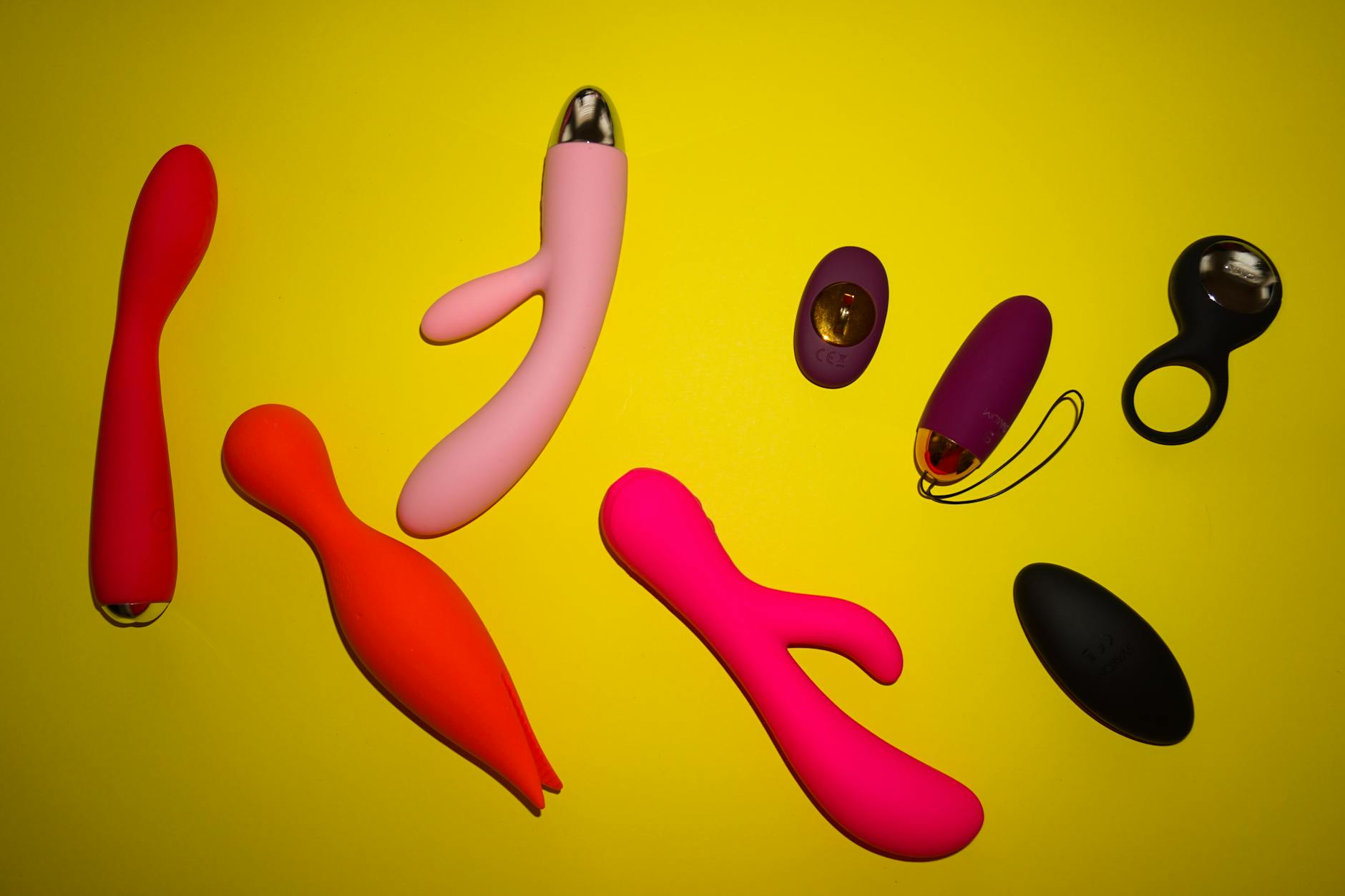
This is where a lemon clitoral vibrator shines. Unlike traditional wand vibrators or bullet vibrators, the Lemon Vibrator uses gentle suction combined with subtle pulsing. That combination is unusually effective for retraining desensitized tissue.
Here's the protocol:
Start low and slow. Use settings 1 or 2 only. You're not chasing pleasure right now. You're chasing awareness. Sensation rebuilding isn't about intensity.
Practice 15-minute sessions, 3-4 times per week. Not daily. Your nervous system needs recovery time between sessions to integrate the new signal.
Focus on subtle variations. Move the vibrator slowly around the clitoral area. Notice micro-changes in sensation. This isn't about reaching orgasm. It's about developing conscious awareness of what you're feeling.
Most people who've been using numbing lubes have spent months or years not really feeling their body. They've been going through the motions. This retraining phase is about waking up to your own anatomy again.
Pair vibration with mindful touch
Between vibrator sessions, practice manual touch without any lube. Dry touch. This sounds counterintuitive, but it works.
With dry touch, you feel friction, temperature, and pressure more acutely. Your brain has to pay attention. Spend 5 minutes a few times a week just feeling your clitoris with your fingers. No vibration. No goal. Just attention.
You might notice that sensation is patchy. Some areas feel more responsive than others. That's completely normal. Different nerve clusters reboot at different speeds.
The combination of lemon vibrator use (3-4x per week) plus manual touch practice (3-4x per week) creates a powerful retraining effect. You're flooding your nervous system with varied sensory input, which forces adaptation.
Expect a weird middle phase
Around week 3 or 4, many people report hypersensitivity. Light touch feels almost painful. The vibrator setting that felt pleasant suddenly feels intense. This is actually a sign it's working.
Your nervous system is recalibrating. You're not harmed. You're just retuning. If hypersensitivity happens, dial back the intensity even further, or take a 3-5 day break to let things settle. Then resume at a lower threshold.
This phase typically lasts 2-4 weeks, then sensation normalizes into a richer, more responsive baseline.
The emotional piece matters more than you think
Here's what I see clinically: people who've been using numbing lubes often chose them because sex hurt, or because they felt pressure to perform despite not being present. Rebuilding sensation isn't just about nerve endings. It's about reclaiming your own pleasure as something worth paying attention to.
If you're rebuilding sensation, you're also rebuilding permission. Permission to feel. Permission to say "I'm not in the mood." Permission to explore at your own pace without a time limit.
If you're doing this work with a partner, tell them what's happening. "I'm retraining my body's sensitivity. For the next few weeks, we're focusing on presence over outcome." This removes the performance pressure that probably led to numbing lubes in the first place.
Timeline: what to expect
Weeks 1-2: Discontinuation phase. Sensation feels flat or uncomfortable. This is normal.
Weeks 3-4: Awakening phase. Hypersensitivity, patchiness, occasional intensity spikes.
Weeks 5-8: Integration phase. Sensation stabilizes into a new baseline. Responsiveness improves noticeably.
Weeks 8-12: Fine-tuning phase. You're now discovering what actual arousal feels like without numbing interference. Many people report that orgasms feel different (often more full-body).
After 12 weeks: Most people report a significant return to pre-numbing sensitivity. Some report even better sensation than before, possibly because they're now paying conscious attention.
This timeline isn't fixed. Some people move faster. Others need more time. Healing isn't linear.
What not to do while rebuilding
Don't go back to numbing lubes even once. One application restarts the clock on desensitization.
Don't force orgasms. Orgasm obsession is often what led to numbing lubes in the first place. Let them come naturally.
Don't compare your retraining timeline to anyone else's. Nerve density varies. Baseline sensitivity varies. Your body's specific adaptation pattern is unique.
Don't use vibration constantly. Overuse creates a different kind of desensitization. Consistency beats intensity.
When to see a specialist
If after 12 weeks of consistent retraining you're not noticing any improvement, or if sensation has worsened, see a pelvic floor physical therapist or a gynecologist who specializes in sexual health. Sometimes desensitization is compounded by pelvic floor tension or other factors that need professional attention.
Similarly, if the original reason you started using numbing lubes was persistent pain during sex, that pain needs diagnosis. Numbing products mask the symptom but don't solve the underlying issue.
FAQ
How long does it take for numbing lube effects to wear off?
Initial wear-off happens within a few days of stopping use. But your nervous system's recalibration takes much longer. Most people feel notable improvement around week 6-8. Full restoration of pre-numbing sensitivity typically takes 8-12 weeks of consistent retraining.
Can I use a regular vibrator instead of a Lemon Vibrator for this?
You can, but the gentle suction mechanism of a lemon clitoral vibrator is particularly effective for retraining because it stimulates nerves without harsh direct pressure. Powerful wand vibrators or intense bullet vibrators often skip the delicate rebuilding phase and jump straight to overstimulation. A lemon vibrator's graduated settings are specifically designed for this kind of sensitivity work.
Will my sensation ever be as good as before the numbing lubes?
Usually yes, and often better. Many people report that the retraining process forces them to become more conscious of their own pleasure. That conscious attention often translates to richer sensation and more reliable orgasms than before. You're not just restoring baseline sensitivity. You're rebuilding your relationship with your own body.
What if I have a partner and they want to have sex during the retraining phase?
Talk about it plainly. "My body is relearning sensation right now. For the next few weeks, we're going to prioritize what feels good for me over reaching a specific outcome." Most partners appreciate the clarity. If penetration happens, skip any lube (especially numbing lube) and move slowly. Let your clitoris be the focus. This is actually an opportunity to reset what sex means in your partnership.
Is it normal to feel hypersensitive or even pain during retraining?
Yes, and it's usually temporary. Your nervous system is recalibrating. Hypersensitivity peaks around weeks 3-4 and then normalizes. If pain persists or worsens beyond week 5, dial back the intensity of vibration or take a break. Pain that doesn't improve should be evaluated by a healthcare provider to rule out other causes.
Can I use numbing lube occasionally if I'm careful?
Not if you're trying to rebuild sensation. Even one application sends a signal to your nervous system to numb again. This is one area where "moderation" doesn't work. It's all-in or not at all.
You can rebuild this
Sensation loss from numbing lubes feels permanent in the moment. It isn't. Your nervous system is remarkably adaptive. You went from hypersensitive to numb through consistent exposure to the wrong signal. You can reverse that through consistent exposure to the right signal: gentle stimulation, conscious attention, patience, and a vibrator designed for this specific work.
The rebuilding process is also an opportunity to slow down and actually feel your own body. That's not a recovery goal. That's a gift. If you want to explore this retraining with more personalized guidance, reach out to us at contact. We're here to help.