Let's start with what nobody tells you
Chemotherapy doesn't just attack cancer cells. It rewires your relationship with your body, your energy, your skin sensitivity, and yes, your sexuality. Most of the conversation around cancer recovery focuses on survival, remission, and getting back to "normal." But normal doesn't exist after chemotherapy. What exists is a new body, new desires, and new possibilities if you're willing to explore them thoughtfully.
I've worked with dozens of people navigating pleasure and intimacy during and after treatment. What I've learned is this: desire doesn't disappear during chemo. It transforms. And knowing how to work with that transformation, rather than fight it, changes everything.
How chemotherapy affects pleasure and arousal
Chemotherapy is a full-body event. It depletes energy stores, triggers nausea that can last for days, damages hair follicles (including pubic hair and the sensitive tissues around the vulva), and sometimes causes peripheral neuropathy, a tingling or numbness in hands and feet that can extend to genital tissue.
The drugs also tank estrogen and testosterone production in many cases, especially in premenopausal people. This is different from natural menopause because it happens suddenly, not gradually. Your brain hasn't had time to adapt. Your tissues haven't had time to adjust. The psychological weight of treatment compounds the physical reality: you're tired, you're sick, you're terrified, and your body feels like a betrayal.
And yet. Many people report that during and after chemotherapy, reconnecting with pleasure isn't frivolous. It's medicine. It's proof your body still belongs to you.
The timing question: can you explore pleasure during active treatment?
This depends on several factors, and it's absolutely something to discuss with your oncology team because they know your specific protocol and side effect profile. But generally speaking, yes.
During chemo, fatigue is often peak on days 2-5 after infusion, then gradually lifts. Some people find that days 8-10 of their cycle feel tolerable. Energy and desire might show up in these windows. The key is abandoning the expectation of speed. If you're exploring pleasure during treatment, think 20-30 minutes of gentle touch and arousal, not goal-oriented sex.
Friction-based stimulation can irritate chemo-sensitive tissues. This is where lemon clitoral vibrators become genuinely useful. The suction mechanism works without direct pressure, which matters enormously when your vulva is already inflamed or tender. It's gentler on fragile tissue while still delivering intense sensation.
After treatment ends, there's often a false sense that pleasure automatically returns. In reality, the depression, hormonal crash, and lingering nausea can persist for weeks or months. Some people report that desire returns slowly over 3-6 months. Others experience a longer lag. That's not abnormal. That's not failure. That's how bodies actually heal.
Practical adjustments for pleasure during and after treatment
Communication with your partner (if you have one). Tell them what your body can handle right now. "I want to be touched, but slowly" or "I want to explore alone today" or "I have thirty minutes before the nausea hits" are all useful starting points. Vague language about "feeling weird" breeds resentment and confusion. Specificity builds intimacy.
Rebuild sensation gradually. Your nervous system has been through trauma. It needs time to recalibrate. Start with lower vibration patterns on lemon vibrators. Let your body remember what it feels like to feel good. There's no race to intensity.
Hydration and lubrication matter more than usual. Chemotherapy dries out mucous membranes everywhere. Water-based lubricant becomes essential, even if it wasn't needed before. Use it generously. This isn't a cosmetic choice. It's protective.
Timing around medication. If you're taking anti-nausea medication or pain relief, explore pleasure when you're at your best window. Most people find this in the morning, before fatigue peaks. Pay attention to your own body's rhythm and plan accordingly.
Pelvic floor work is protective, not indulgent. Chemotherapy tightens the pelvic floor. Tight muscles + decreased sensation + lack of use = potential for pain during sex. Gentle kegel releases and pelvic floor awareness exercises (breathing into the pelvic floor instead of tightening) prepare your body for pleasure, not just during treatment but during recovery.

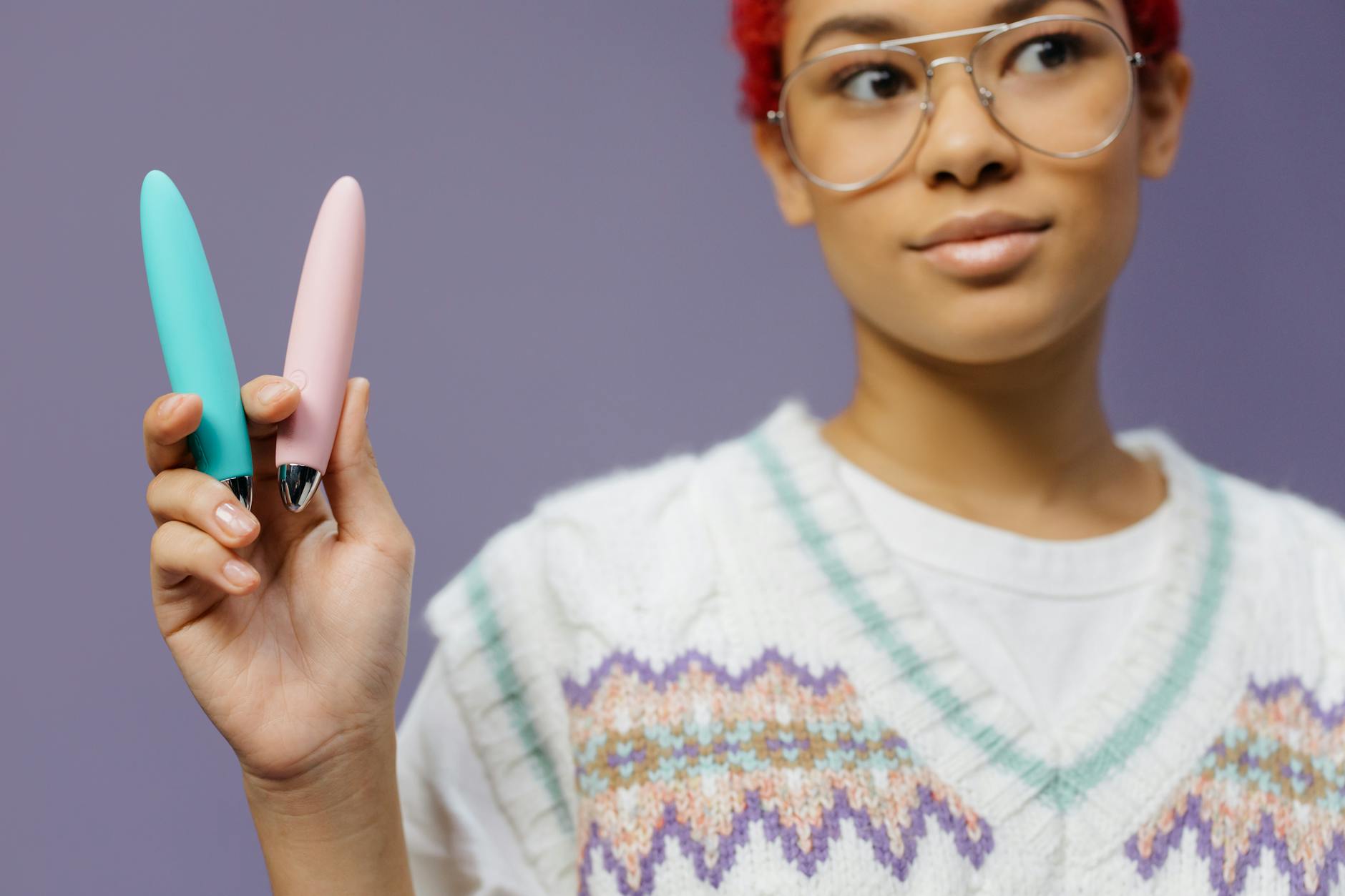
Photo by Anna Shvets on Pexels
The psychological piece: rebuilding ownership of your body
Chemotherapy is an assault on bodily autonomy. Doctors insert ports, infuse poison, scan your insides, and tell you what your body is or isn't doing. By the time treatment ends, many people feel profoundly separated from their own physicality.
Rediscovering pleasure is not about sex. It's about sovereignty. It's your nervous system learning again that your body can produce sensation that's not pain. That touch can feel good. That you still get to decide what happens to you.
This is why I recommend starting solo exploration before partnered sex, even if you're in a relationship. Your body needs time to learn its own pleasure map without performance pressure. A lemon clitoral vibrator used quietly, alone, on a day when you have energy, tells your nervous system something critical: "This body is mine. This feels good. I deserve this."
That's not foreplay. That's healing.
When to check in with your oncology or gynecology team
If pain appears during or after arousal, especially sharp pain or pain that lingers for hours, talk to your oncologist or gynecologist. Post-chemo vaginal atrophy is real and treatable. If numbness in your genitals persists months after treatment ends, mention it. Peripheral neuropathy sometimes improves with specific interventions. If you're interested in hormone replacement therapy to restore estrogen or testosterone, your oncology team can assess whether it's safe given your specific diagnosis.
You're not bothering them with sex questions. Sexual health is part of overall health. They want to know.
Rebuilding desire with a partner after treatment
Many couples struggle after one partner completes chemotherapy. The well partner feels guilt about wanting sex. The treated partner feels pressure to "get back to normal." Neither person wants to talk about it directly, so it becomes background static in the relationship.
The pivot is this: acknowledge that the relationship itself has been through treatment, not just one person. How Lemon Vibrators Help Partners Reconnect After Life Transitions covers this dynamic more deeply, but the core idea holds: you're not trying to recreate what was before. You're building something new together.
Using lemon vibrators together can reduce performance pressure. Instead of "let's have sex," the offer becomes "let's explore sensation together." The Lem's suction mechanism feels entirely different from friction-based stimulation, which can feel refreshing and novel to both partners. It reframes pleasure as play rather than obligation.
Long-term integration: pleasure as part of recovery
Six months, nine months, a year after treatment ends, many people find that their best sex lives appear. The stakes feel lower because you've literally faced mortality. The connection to their body feels deeper because they've earned it. The appreciation for sensation feels sharper because they know what it's like to lose it.
This isn't guaranteed. But it's common enough that it's worth holding as a possibility while you're still in the thick of treatment or early recovery. Pleasure isn't frivolous. It's not a luxury once you're "healed enough." How to Use Lemon Vibrators When You Have Reduced Sensation From Aging explores sensation loss across different life stages, but the principle is the same: sensation is restorable, pleasure is learnable, and your body's capacity for both often exceeds what you think.
Start small. Be patient. Communicate with partners and with your medical team. Your body has survived something enormous. It deserves to feel good again. Lemon clitoral vibrators are one tool for getting there.
FAQ: Pleasure and healing after chemotherapy
Can I use lemon vibrators while actively receiving chemotherapy?
Yes, but time it carefully. Use them during your higher-energy windows, typically 7-10 days after infusion depending on your protocol. Start gently and avoid days when nausea is severe. Talk to your oncology team about your specific treatment timeline. They can help you identify safer windows.
Will chemotherapy permanently affect my ability to orgasm?
Not necessarily. Many people regain full orgasmic capacity within 3-6 months of completing treatment. Some experience a lag. Some find that sensation changes but pleasure doesn't disappear entirely. The nervous system is remarkably resilient. Suction-based stimulation like lemon vibrators can help retrain sensation because it works differently than friction alone.
Is it okay to have sex with a partner during chemotherapy?
Physically, yes, if both people want to and energy permits. Protective measures (condoms if there's any STI risk) still apply. The bigger question is emotional and communication-based: does this feel good for both of you, or does it feel like obligation? If it feels obligatory, skip it. There are plenty of other ways to stay connected.
How long does it take for hormone-driven desire to return after chemo ends?
It varies widely. Some people notice shifts within weeks. Others take 3-6 months. A small number experience longer-lasting changes. Hormone levels typically stabilize about 6-12 months post-treatment. If desire hasn't shifted by then, talking to your oncologist or an endocrinologist about hormone replacement is worth considering.
My partner lost interest in me after my diagnosis. Is that normal, and how do we rebuild?
It's not uncommon, and it's usually rooted in fear, not rejection. Your partner might be terrified of hurting you, or terrified of wanting something that feels trivial compared to survival. This needs a direct conversation, ideally with a therapist who understands cancer's impact on relationships. How Lemon Vibrators Help Partners Reconnect After Life Transitions addresses this, but the first step is naming what's actually happening.
Should I start with solo exploration or partnered exploration during recovery?
Solo exploration usually works better first. Your nervous system needs permission to feel good without performance pressure. Once you've rebuilt your own pleasure map, bringing a partner in becomes less about proving you're "healed" and more about sharing something genuine. Solo time with a lemon vibrator is investment in your recovery, not avoidance of partnership.
Your body remembers how to feel good
Chemotherapy is violence done to cancer. Your body absorbs that violence, survives it, and then has to figure out how to trust sensation again. That's not quick. That's not linear. But it's absolutely possible.
Start where you are. Use what feels good. Communicate what you need. Give yourself permission to rebuild pleasure as part of healing, not as a bonus feature once everything else is handled. Your body has fought hard. It deserves to feel good again.
If you're navigating this process and have questions about how to move forward, or if you need support thinking through the relationship dynamics that come up during and after treatment, reach out. You don't have to figure this out alone.