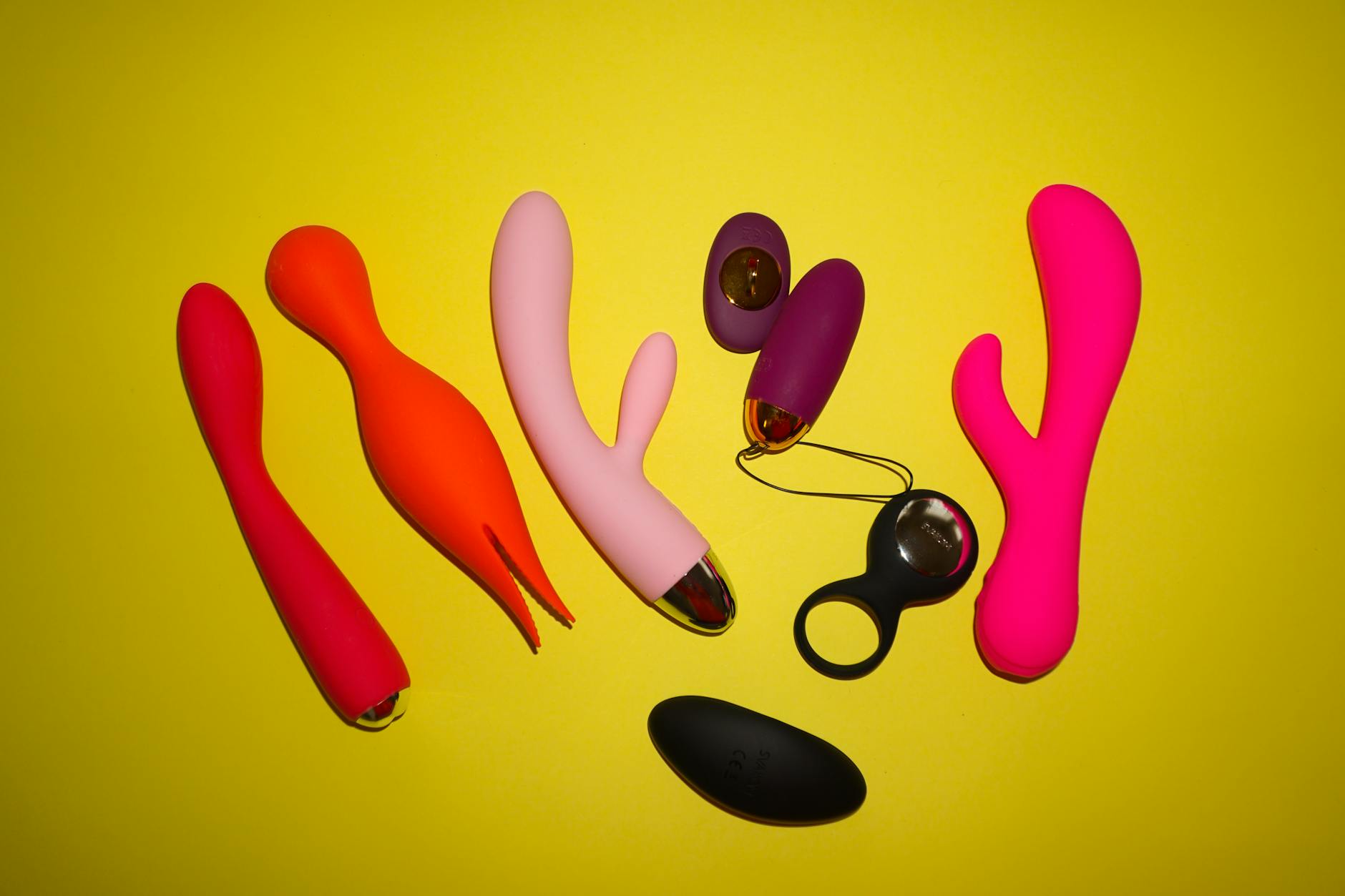
Here's what nobody tells you about first-time sex
You're nervous. Your new partner is nervous. The pressure to perform is real, even if you're both pretending it isn't. And somewhere in that mix, you're thinking about whether introducing a vibrator now would be weird, or too forward, or a sign that something's wrong.
It's not. In fact, the opposite is true.
Why early introduction actually works better
I work with couples navigating the early stages of intimacy, and the pattern I see most often is this: people wait until they feel comfortable to mention what actually helps them feel good. That comfort usually takes months. By then, patterns are set. Expectations have formed. Introducing a lemon vibrator or any clitoral vibrator at month four feels riskier than it would have felt on night one, even though it objectively isn't.
Here's the neuroscience bit: in new relationships, your brain is flooded with novelty. That same nervous energy that makes you feel out of control also makes you more open to new things. Your partner's brain is doing the same. You're both less defended, more curious. The friction you feel about introducing a toy now will be much stronger later, when you've already created an unspoken rulebook about what sex between you looks like.
Introducing a lem vibrator early isn't awkward if you frame it right. And framing it right is just about being honest.
The conversation that actually works
Don't lead with the vibrator. Lead with desire.
You're not saying: "I need this to come." You're saying: "I know what helps me feel amazing, and I want to feel that way with you." That's a completely different message. One sounds like a problem. The other sounds like self-knowledge.
Try something like: "I've been thinking about what I really enjoy, and I want to show you. Is that okay?" Or: "I get the most intense pleasure from clitoral stimulation with a vibrator. I'd love to use mine while we're together." Or even just: "I brought something I love. Want to explore it together?"
Notice what you're not doing: apologizing, softening it, making it seem optional or like a compromise. You're stating a fact about your pleasure.
Most partners respond well to that. They're relieved, honestly. The pressure to be instinctively perfect at sex just lifted. You've given them permission to actually care about what you need rather than guessing.
The logistics that actually matter
Timing is real. Don't introduce the vibrator when you're both already fully aroused and in the moment. You want to bring it in when there's space for conversation. Some couples do this earlier in foreplay. Others do it while still partially clothed, transitioning into sex. Find what feels natural.
Charge your lem vibrator beforehand. Nothing kills the mood like "hold on, I need to charge this." If you're someone who uses clitoral vibrators regularly, your partner probably already knows this is part of your pleasure. But if it's new territory, the small preparation signals confidence.
Show your partner how it works. Not because they need to operate it, but because demystifying it takes the strangeness out. Let them hold it. Let them feel the vibration. This sounds silly until you realize most people have never touched a quality clitoral vibrator. They imagine something medical or intimidating. A lemon sucker vibrator feels completely different in hand.
How to actually use it together
There are roughly three configurations:
You control it. You hold the vibrator while your partner watches, touches you, or enters you. This is the lowest-pressure option for your partner. You're showing them what you enjoy. They're present and connected. This works beautifully early on.
Your partner controls it. They hold the lemon vibrator while you direct them. "A bit higher," "gentle," "faster." This builds collaboration and trust. Your partner learns your body. You learn how to direct pleasure without shame.
Both hands. They use the vibrator while inside you, or you use it while you're together in other ways. This comes later, usually. Early on, it can feel like too much coordination and not enough connection. Wait until you've done the first two.
None of these are better or worse. They just create different feelings and different kinds of intimacy.
What actually happens when you don't acknowledge it
I see couples who skirt around this constantly. They have great sex but never explicitly talk about what works. The vibrator gets introduced halfway through, without context. The receiving partner wonders if something's wrong with them. The partner holding the vibrator worries they're being selfish or replacing the person inside them.
All of that is just noise. Clear words solve all of it.
What I hear from people who do this right: "It felt so good to finally just say it." "I felt closer to them because they cared enough to ask what I actually needed." "I realized they'd been worrying about whether I enjoyed it too, and we both relaxed."
That last one matters. Early-stage sex has a lot of invisible pressure on it. Both of you are trying to prove something. Introducing a lem vibrator or any clitoral vibrator explicitly removes some of that. You've stopped pretending. You're cooperating toward something you both want. That's intimacy.
The actual first time with a vibrator
Focus on sensation, not performance. You're not performing for your partner. You're letting them see what you like. That's different.
Start with lower settings. The Lem's range gives you space to build. Your partner can watch what intensifies your response. They'll learn what your body looks like when you're really aroused. They'll see the exact moment pleasure shifts into something deeper. That knowledge is gold. They'll use it later.
Don't rush to orgasm. I know that sounds counterintuitive, but the first time you use a lemon clitoral vibrator with a partner, the goal is connection and information, not necessarily a finish. If orgasm happens, wonderful. If not, you've still given them a map. You can use that.
Speak during. "This feels good." "I like this," "More pressure." Your partner's nervous system is tuned to you. When you go silent, they assume something's wrong. When you actually communicate, they relax. Your pleasure becomes theirs.
Why this matters for ongoing intimacy
You're not just having better first-time sex. You're establishing a pattern. You've shown your partner that your pleasure is negotiable, discussable, and worth working toward together. That becomes the foundation for everything that comes later.
I've worked with couples who handled this well early and couples who didn't. The difference shows up years in. The couples who could talk about vibrators, about what felt good, about adjusting positions and pace. They can talk about anything. The couples who couldn't bring up a clitoral vibrator without shame? They struggle with bigger conversations too.
Introducing lemon vibrators early is actually about building a relationship where your body matters. That's bigger than one night.
Frequently Asked Questions
Will my partner feel like the vibrator is replacing them?
Only if you frame it that way. If you present it as "something I enjoy," most partners understand this. If you introduce it while apologizing or seeming embarrassed, that sends a different message. The vibrator isn't replacing penetration or intimacy. It's adding a layer of sensation that your body craves. Many partners find this genuinely hot.
What if my partner seems uncomfortable?
That's information. Ask them what's uncomfortable. Is it the idea of the vibrator itself, or is it the larger idea of you having sexual agency? Those are different problems with different solutions. Some people need time to adjust. Some people have previous experiences that make them nervous. That's okay. You don't have to push. But you also don't have to hide your pleasure.
Can I use a lemon clitoral vibrator during penetration?
Yes, absolutely. Many people find the combination of penetration and clitoral vibration creates an entirely different sensation than either alone. But this might not be comfortable for you or your partner in the beginning. Wait until you've both explored the vibrator separately. Then introduce the combination when it feels natural.
Should I use the vibrator before introducing it?
I'm a therapist, not a rule maker, but I'll say this: knowing what the vibrator does to your body helps you explain it to your partner. You have a reference point. You can talk about what you feel. That's useful information. Whether you've used a lem vibrator before or you're discovering it together is less important than both of you approaching it with curiosity.
What if I've never used a vibrator before?
Then this is genuinely a joint exploration. There's something quite lovely about that. You're both learning what your body responds to. Neither of you has expectations based on previous experience. You're figuring it out together, which builds connection. Just be patient with yourself. Orgasm might not happen on night one. That's normal.
How do I know if my partner is actually okay with it?
You ask. And then you watch their body. Do they lean in? Do they seem present? Are they touching you, asking questions, moving toward you? That's okay. Are they stiff, quiet, looking away? That's worth slowing down and asking about explicitly. Communication doesn't kill the mood. Ignoring someone's discomfort definitely does.
What comes after
You've introduced a lemon vibrator. You've talked about pleasure. You've shown vulnerability and asked for what you actually want. That changes things. Not because the vibrator is magic, but because you stopped pretending sex was something that happened to you and started treating it as something you both create together.
That's the real shift. The vibrator is just the tool that makes the conversation possible.
Ready to have this conversation with your partner? Start small, stay honest, and remember that wanting to feel good isn't selfish. It's honest. And your partner probably wants you to feel good too. They're just waiting for you to say it.