The stress-libido connection nobody talks about
Here's the thing about chronic stress and desire. It's not that you stop wanting sex. It's that your body stops believing sex is safe. Stress floods your nervous system with cortisol, which tells your brain that resources need to go to survival, not pleasure. When you're in fight-or-flight mode, the parts of your brain that light up during arousal actually dim.
So when you tell yourself you "just aren't in the mood," you're usually right. Your body genuinely isn't sending the signals. And no amount of willpower changes that.
What stress actually does to arousal
Let's get specific. Stress tightens the pelvic floor, which blocks blood flow to the clitoris. It raises cortisol, which competes with dopamine (the desire chemical). It disrupts the parasympathetic nervous system, which is what you need to relax enough to feel pleasure. It also floods your brain with intrusive thoughts, which is basically the antithesis of the mental focus arousal requires.
The result? Your clitoris might feel numb. Orgasms might feel impossible or weirdly flat. Touch that used to feel good now feels like an obligation. Some people describe it as feeling disconnected from their own body.
Here's what's important: this isn't permanent, and it's not a sign something is broken. It's your nervous system doing its job too well.
Why clitoral vibrators work when stress has shut you down
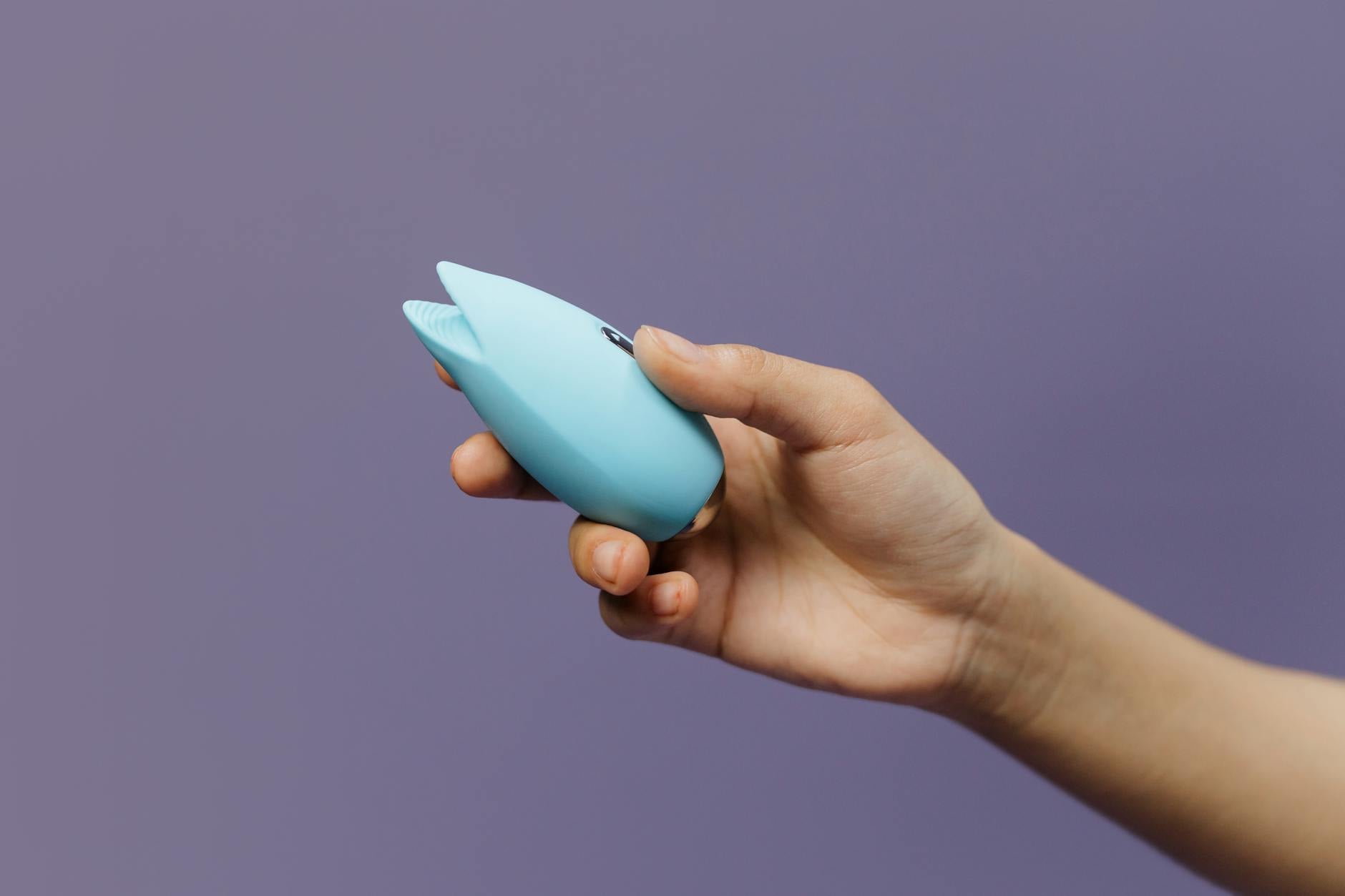
A lemon clitoral vibrator like the Lem operates at a frequency (around 300-400 Hz for most air-suction models) that's scientifically shown to bypass the mental gatekeeping that stress creates. You don't have to think about being aroused. The vibration does the neural work for you.
There's a reason for this. Intense, localized stimulation from a clitoral vibrator sends a signal directly to your brain that's loud enough to override the stress noise. It's not about willpower or being "in the mood." It's about the sheer intensity of sensation cutting through the static.
For people with stress-related low libido, this is huge. You get to experience pleasure and orgasm without waiting for the mental permission your anxiety keeps denying you. Over time (usually 2-4 weeks of consistent use), this actually helps retrain your nervous system to believe pleasure is possible again.
The setup that actually works when you're stressed
Timing matters. Don't try to use a lemon vibrator when you're in active crisis mode. Pick a window when stress is at a medium hum, not peak chaos. Many people find early morning or right after they get home but before the evening spiral works better than late night, when anxiety often peaks.
Space matters too. You need somewhere you won't be interrupted and where part of your brain isn't monitoring for sounds or messages. Even if you're alone, your nervous system often stays half-alert when stressed. Give yourself 15-20 minutes where your phone is out of reach and the door is locked.
Temperature helps. A warm bath or shower beforehand relaxes your pelvic floor, which literally allows more sensation. Stress keeps that area clenched. Heat undoes some of that tension.
The actual technique for stress-blocked desire
Unlike typical vibrator use, when you're in a stress response, you're not building arousal gradually. You're interrupting the stress response. Start with the lowest setting on your lemon vibrator. Your nervous system is already heightened. You don't need more stimulation, you need the right kind.
Apply the vibrator directly to your clitoris, not around it. When stress has made sensation feel distant, you need that focused, unmissable input. Suction-style vibrators like the Lem are particularly effective here because they create a seal and deliver consistent intensity without requiring you to move or adjust.
Stay with one setting for 3-5 minutes. Your brain needs time to register that this sensation is actually safe and good. Patience here matters more than intensity. You might feel distracted or like "nothing's happening." Keep going. The pleasure response is slow to wake up when stress has been running the show.
Many people find that their first orgasm when stress-blocked feels weaker than usual. That's normal. Your nervous system is learning to downregulate. By the second or third session, the response gets stronger.
What to do between sessions
Using a vibrator once helps in the moment, but the real change happens through consistency. Your nervous system needs to learn a new pattern. Once every 2-3 days for at least 4 weeks makes a measurable difference in how your body responds to both solo pleasure and partnered intimacy.
Between sessions, do anything that genuinely calms your nervous system. This is different for everyone. For some people it's a 20-minute walk. For others it's 5 minutes of actual breathwork (not the Instagram version, the 4-4-8 breathing that genuinely shifts your vagal tone). Some people need music or creative work.
The point is to give your nervous system proof that you're safe. Vibrator use gives physical proof. The other practices give emotional proof. Together, they rebuild the foundation that stress eroded.
When stress and low libido need extra support
If you've been using a lemon vibrator consistently for 6-8 weeks and nothing has shifted, something else might be layered under the stress. Sometimes it's depression. Sometimes it's relational disconnection. Sometimes it's unprocessed trauma. A vibrator can't fix those things alone.
Talk to someone. A therapist who understands both nervous system work and sexual response (not all do) can help untangle what's actually happening. <a href="/contact">Reach out if you want help figuring out next steps.</a>
It's also worth noting that if you're on certain medications (SSRIs are the most common culprit), they're likely compounding the stress-libido problem. That's a conversation for your prescriber, not something a vibrator solves. But knowing that is half the battle.
The evidence behind this actually working
I'm not inventing this. Studies on clitoral vibrator use for arousal difficulties show measurable improvements in sexual function, especially when someone is dealing with stress-related blocks. The combination of direct stimulation plus the psychological permission a vibrator provides ("it's not my fault I'm enjoying this, the vibration is doing it") creates a reset moment.
Over time, that reset moment teaches your nervous system a new baseline. You start to believe pleasure is possible again. And once you believe it, your body starts producing the biochemistry to support it. Cortisol drops a notch. Dopamine creeps back up. The pelvic floor relaxes a little.
It's not magic. It's neuroplasticity. And it works.
When to use vibrators solo vs. with a partner
If you're in a relationship, there's often pressure (conscious or not) to "just get over it" and return to normal partnered sex. Resist that. When stress has killed your libido, solo time with a lemon vibrator actually serves a different purpose than partnered intimacy. You're not performing. You're not tracking whether your partner is satisfied. You're just learning to feel pleasure in your own body again.
That's not selfish. That's rebuilding.
Once you've had 3-4 solo sessions and are feeling some response returning, you can gradually introduce your partner. But the vibrator doesn't replace that solo work. It complements it. Many couples find that the person with stress-blocked libido uses the vibrator solo first, then eventually during partnered sex. Both patterns work.
FAQ
How long does it take for a clitoral vibrator to help with stress-related low libido?
Most people notice something within 2-3 sessions (a week or so of consistent use). Real, reliable changes in desire usually take 4-6 weeks. Your nervous system needs repetition to believe the pattern is real. If you're looking for instant results, you'll be disappointed. If you're willing to be consistent, you'll be surprised how much shifts.
Can a lemon vibrator make low libido worse if I'm already anxious?
Yes, if you use it wrong. If you set it too high immediately, or if you're trying to use it during a panic attack, it can feel overwhelming instead of helpful. That's why starting low and starting during a medium-stress window matters. The vibrator should feel like permission, not pressure. If it ever feels like pressure, lower the intensity or stop and try again another day.
Should I tell my partner I'm using a vibrator for stress relief?
That depends on your relationship and whether you share a bed or home. If you live together, probably yes. Not as a confession, but as a practical matter. If you live separately, you have more privacy. The deeper question is whether you're comfortable with your partner knowing you're actively working on this. If there's shame there, that might be worth exploring separately, because shame and stress are a terrible combination.
Does using a vibrator make partnered sex less satisfying?
Absolutely not. For people with stress-related low libido, solo vibrator use usually improves partnered sex because it gets the nervous system back online. You start having pleasure responses again. You remember what arousal feels like. Then partnered sex feels less like an obligation and more like an option. The data backs this up: people who use vibrators report better partnered intimacy overall.
What if I'm on antidepressants and stress is still killing my libido?
Then you're dealing with a double hit. The medication can lower libido chemically, and stress is lowering it neurologically. A lemon clitoral vibrator can still help, but you might need the intensity turned up higher than someone without the medication. You might also benefit from talking to your prescriber about adjusting your dose or trying a different medication. Some SSRIs are gentler on sexual function than others.
Can stress come back and block my libido again after it's improved?
Yes. Your nervous system learned a new pattern, but it doesn't unlearn the stress response. If a big life stressor hits, you might find yourself back in that numb place temporarily. The good news is that once you know how to use a vibrator to work through it, you'll do it faster the second time. You've got a map now.
One more thing
Stress-related low libido is one of the most common and least talked about sexual issues people face. It's not a failure of desire or attraction. It's not something you can think your way out of. It's a nervous system issue, and nervous systems respond to consistent, direct input.
A lemon vibrator is one piece of that input. Breathwork, movement, therapy, and rest are others. Together, they tell your body that pleasure is possible again. And eventually, your body believes it.