Let's talk about the thing nobody wants to admit
Clitoral numbness is real, it's common, and it feels like a betrayal. You touch yourself or your partner touches you and it's like someone turned down the volume on pleasure. The sensation is there but muted, distant, like you're experiencing sex through a pane of glass. Orgasm feels impossible not because you don't want it, but because your body has stopped sending the signal.
Here's what I need you to know first: this is almost always reversible. It's not permanent damage. It's a sign that your nervous system has been overstimulated or your tissue has lost elasticity, and both of those things can shift.
Why numbness happens (and it's not what you think)
Clitoral numbness comes from three main sources, and knowing which one you're dealing with changes the recovery strategy.
Overstimulation from friction. The most common culprit. If you've been using a vibrator with a very high frequency or hard contact, or if you've been having rough manual stimulation for years, the nerve endings in your clitoris can essentially "check out." Think of it like touching a spot on your arm over and over until it stops registering the sensation. The nerves are fine, but they're exhausted from constant input.
Loss of tissue elasticity. As estrogen drops or as we age, clitoral tissue becomes thinner and less supple. This doesn't mean sensation dies, but it does mean the architecture that normally transmits pleasure becomes less responsive. It's like pressing a button that's lost its spring.
Psychological overlay. Sometimes the numbness is real and sometimes it's protective. If you've had painful sex, anxiety during sex, or you're disconnected from your partner, your nervous system can literally shut down pleasure as a defense mechanism. The numbness is your system saying "not safe right now." This is actually your body working correctly, which sounds weird but it matters for recovery.
Why lemon vibrators work when other toys don't
Most vibrators rely on high-frequency vibration to cut through numbness. The logic seems sound: if regular vibration doesn't work, use a faster vibrator. But numbness that comes from overstimulation doesn't respond to more stimulation. It responds to a different kind of stimulation.
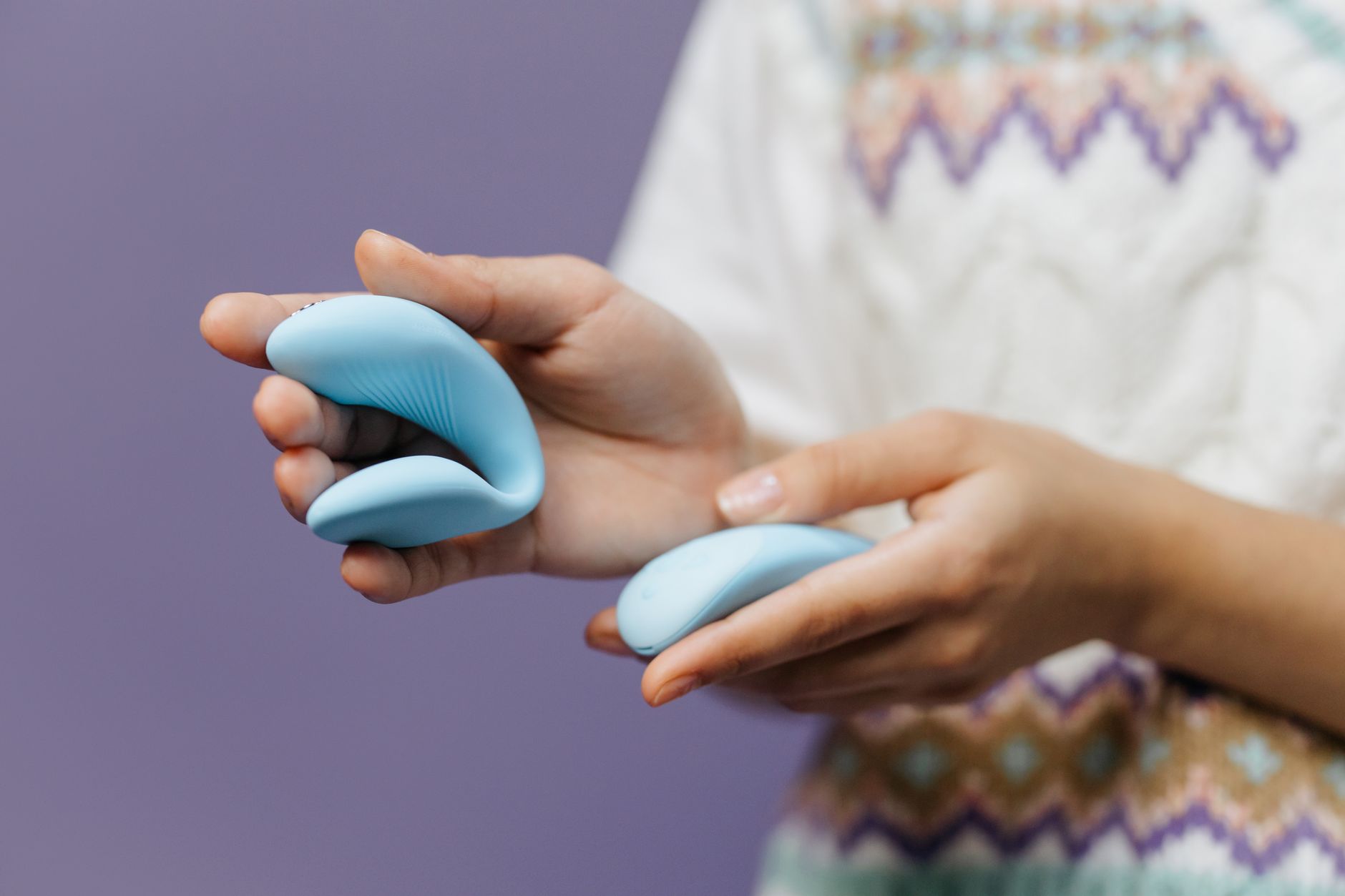
Lem vibrators use air-suction technology, which stimulates the clitoris completely differently than traditional vibration. Instead of creating friction against the tissue, suction pulls and releases in a rhythmic wave. This activates different nerve pathways and different mechanoreceptors under the skin. For someone with clitoral numbness, it's like the difference between knocking on a door that won't open and finding a window that still works.
The suction creates broader, gentler pressure across the whole clitoral area rather than focused vibration on one point. This means you're not re-traumatizing already-tired nerve endings. You're waking up a completely different part of the nervous system.
The exact recovery sequence
I work with clients through this in stages, and the timeline matters. You can't rush it.
Week 1-2: Start at the lowest setting. Your lemon clitoral vibrator probably has 3-7 intensity levels. Start at level 1. This sounds obvious, but most people who've been numb start too high because they're chasing sensation. Resist that. Your clitoris needs to remember how to feel, and that happens gently.
Session length: 10-15 minutes, every other day. Not daily. Your nervous system needs recovery time to integrate what's happening.
Week 3-4: Alternate patterns, stay low intensity. Most clitoral vibrators have different pulse patterns. If your lemon vibrator has them, switch between two or three. This prevents adaptation. Your nervous system is brilliant at tuning things out if they stay exactly the same. Variation keeps it alert.
Still level 1 or moving to level 2 if level 1 feels like nothing. This is frustrating. Sit with it.
Week 5+: Slow progression with touch breaks. Once you're feeling something at level 2-3, add manual touch between vibrator sessions. Use your fingers without vibration for 30 seconds, then back to the vibrator for 30 seconds. This rhythm teaches your nervous system that sensation is coming back. You're rebuilding the pathway.
The goal isn't to race to an orgasm. The goal is to feel. Orgasm might come, it might not yet, and that's information not failure.
What happens in your body during recovery
When you stop overstimulating and switch to a gentler pattern of input, something interesting happens. The nervous system de-sensitizes. The numbness lifts not because you're doing more but because you're doing something different. Air-suction creates what's called "mechanical transduction." It's the nervous system's way of translating physical pressure into a signal your brain can feel.
The suction also increases blood flow to the clitoral tissue, which improves elasticity and nerve function. This is passive recovery. You're not forcing anything. You're creating the conditions for sensation to return.
Most clients report that by week 6-8, they're starting to feel distinct sensations. Tingling. Warmth. A building pressure. These are good signs. By week 10-12, many people have their first real orgasm in months or years.
The mistakes that keep numbness locked in
I see three patterns that derail recovery.
Pushing too hard too fast. You've been numb for months and you're frustrated. You jump to level 5 on the vibrator because you're chasing the feeling you used to have. This re-traumatizes the tissue and extends the numbness. Recovery works only with patience.
Using lubricant that numbs. If you're using a desensitizing lube because sex has become painful or you're anxious, that lube is also deadening your sensation. Switch to a plain water-based lubricant during recovery. Yes, it might feel less comfortable initially, but numbness on top of numbness defeats the purpose.
Isolating the recovery. If your partner is involved in your sex life, they need to understand what's happening. Numbness can feel like rejection ("You're not enjoying me"). Recovery requires patience from both people. If you're single, recovery still benefits from connection, even if that's just calling a friend and talking honestly about what you're experiencing.
When sensation is connected to something deeper
Sometimes clitoral numbness is purely physical. Sometimes it's carrying emotional weight. I've worked with clients who discovered that numbness arrived after a fight with their partner, after an experience that felt coercive, or after a period of high stress.
If numbness started after an emotional event, the lemon vibrator can help your body practice feeling safe again. But it won't fix the underlying thing by itself. You might need to talk to someone, reconnect with your partner, or process what happened. The vibrator is part of the solution, not the whole solution.
If you're using sex for numbing instead of pleasure, if you're disconnected from your body, or if numbness feels like a relief rather than a problem, that's worth exploring with a therapist. Sensation recovery works best when your nervous system actually wants sensation back.
The timeline is real
Clitoral numbness doesn't reverse in two weeks. It typically takes 8-14 weeks to feel significant improvement, and 4-6 months to feel like you've fully recovered sensation. Some people get there faster. Some take longer. Your personal history, your current stress level, and whether you're in a supportive relationship all factor in.
What matters is that it moves. Week 3 feels slightly different from week 1. Week 8 feels notably different from week 3. You're not looking for a magic moment where everything snaps back. You're looking for a gentle, steady return to feeling.
FAQ: Clitoral Numbness and Lemon Vibrators
How do I know if my numbness is permanent?
It almost never is. Nerve damage that's truly permanent usually comes from physical trauma or specific medical conditions. Numbness from overstimulation or deconditioning reverses with the right approach. If you've been numb for years, recovery takes longer but it still happens.
Can I use my old vibrator while I'm recovering?
Not the one that caused the numbness. If high-frequency vibration is what numbed you out, using that vibrator again will just restart the cycle. The lemon vibrator's air-suction approach works because it's a completely different stimulus. Once you've recovered (usually around week 10-12), you can experiment with other toys, but introduce them slowly.
What if I start to feel worse before I feel better?
Some people experience a tingling or slight irritation in week 1-2 as sensation starts to return. This is normal and different from pain. Pain means stop. Tingling or mild irritation usually means your nerves are waking up. If you're unsure, drop back to level 1 for another week.
Should I tell my partner what I'm doing?
If you're in a partnered relationship and your partner is involved in your sex life, yes. Not every detail, but the basic fact: "I'm working on recovering sensation. This recovery looks like me using a lemon vibrator on a specific schedule. It's not about you or us. It's about my nervous system healing." Most partners respond with relief because they no longer have to wonder why pleasure isn't happening.
Can clitoral numbness come back after I recover?
Yes, if you go back to the same overstimulation pattern that caused it in the first place. Once you're recovered, you can use the lemon vibrator as often as you want (within reason) because the air-suction design doesn't cause overstimulation the way high-frequency vibrators do. But if you switch back to a very intense toy or very rough manual stimulation, numbness can return. The solution is balance and variety.
What if numbness is only in part of my clitoris?
Partial numbness is actually common and usually easier to reverse than complete numbness. It often means the overstimulation was focused. The recovery sequence is the same, but you might notice improvement faster because you're working with a nervous system that's still partially responsive.
The thing about numbness nobody says out loud
Clitoral numbness makes you question everything. It makes you wonder if you've broken yourself. If something's wrong with you. If pleasure is just gone. I want to be clear: you haven't broken anything. Your body is responding exactly as designed to the input it's been receiving. And your body is also capable of re-learning how to feel.
Recovery is patient. Recovery is boring sometimes. Recovery is using a lemon vibrator on level 1 for two weeks and telling yourself that's enough. But recovery works, and on the other side of it is sensation you'd forgotten existed. Your pleasure matters, and it's worth the time it takes to get it back.