Let's be real about lube
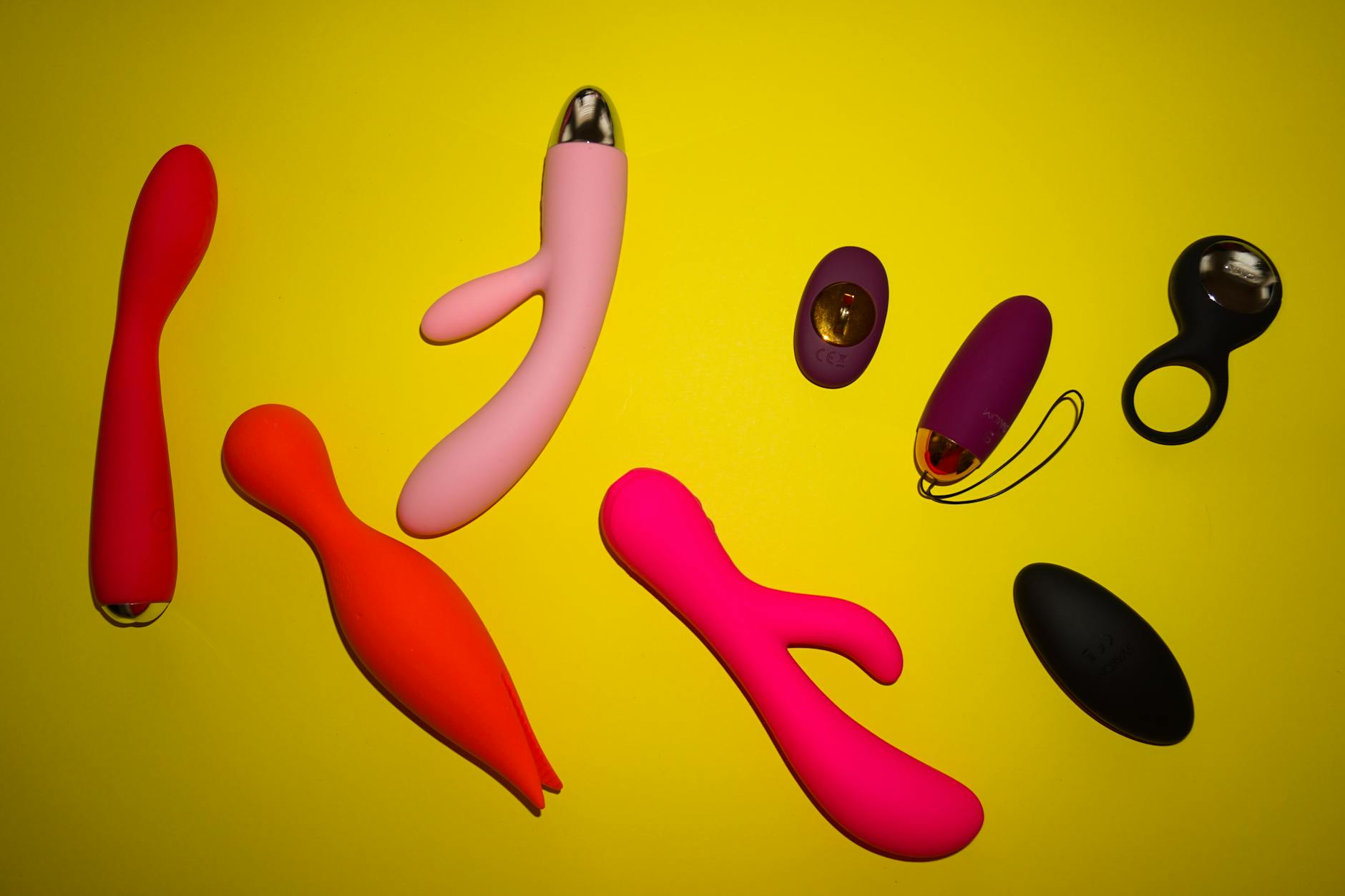
Lubrication is supposed to feel good. Instead, for a lot of people, it feels like a chore. The stickiness, the cleanup, the way it dries out mid-session, the sensation of it pooling in uncomfortable places. If you're using a lemon clitoral vibrator and thinking about skipping lube entirely because the mess factor is too high, you're not alone. But you also don't need to choose between comfort and protection.
Here's what I tell clients: the right lubricant should feel invisible. If you're aware of it, it's the wrong one.
Why lube even matters with lemon vibrators
Your skin is more sensitive than you think. Even silicone toys, which are smooth, create a tiny amount of friction against delicate tissue. Over time, especially with prolonged sessions or if you're using a clitoral vibrator like the Lem regularly, that friction builds heat and can create microtears you won't notice until later. Lube acts as a buffer. It also helps the toy glide instead of pulling, which is the difference between a pleasure session and one that feels raw afterward.
But here's the catch: lube only works if you'll actually use it. And if the texture grosses you out, you won't.
The texture problem (and how to solve it)
Water-based lubricants are thin and absorb into the skin quickly, which sounds ideal. For some people, they feel watery and uncomfortable. Silicone-based lubes feel thicker and richer, but they can degrade silicone toys over time. Oil-based lubes are the smoothest but mess with latex and some materials, and they trap bacteria.
Here's what actually works:
For the sticky feeling: Look for hyaluronic acid-based lubes. They feel thinner than traditional water-based options but absorb slower, so you're not reapplying every thirty seconds. They also feel less gummy. Brands like Hyalo or Uberlube make these formulations.
For the pooling problem: Apply less. This sounds obvious, but most people use three times what they need. A dime-sized amount on the toy and your skin is enough. You can add more if you need it. You won't know until you try.
For the cleanup anxiety: Keep a dedicated hand towel nearby. Wipe the toy afterward. You're not making a mess. You're being practical. Normalize it the way you would with any hygiene routine.
The natural lubrication question
Your body makes its own lube. For some people, it's abundant. For others, it's minimal, inconsistent, or stops flowing partway through. This is normal and not a reflection of how turned on you are. Stress, hormones, medications, and hydration all affect it.
The idea that you should only use your body's natural lubrication is romantic but not realistic for everyone. And trying to make sex work without adequate slip, whether natural or added, trains your nervous system to brace instead of relax. That's the opposite of what you want.
If you produce plenty of natural lubrication and don't want to add anything, that's fine. If you don't, adding a small amount of lube isn't a failure. It's logistics.
Lube application that doesn't feel clinical
The moment you make lube application feel like a medical procedure, it kills the mood. So don't. Here's the rhythm that actually works:
Apply a small amount to the toy itself, not your body. Let it sit for a breath or two. The friction of the toy will warm it and distribute it. Start at a lower intensity setting on your lemon vibrator. Give your body thirty seconds to adjust. Then increase the pattern as it feels good.
If it feels dry, add a tiny bit more. You're not overdoing it. You're tuning in.
For partners, lube becomes part of foreplay. Apply it together. Make it part of touch instead of separate from it. It doesn't have to be awkward.
The hidden reason lube feels wrong
Sometimes the texture or mess factor isn't really the problem. Sometimes it's that you're holding tension. If you're bracing your pelvic floor, worried about mess, anxious about taking too long, or distracted by logistics, no lubricant will feel good.
Before you blame the lube, check in with yourself. Am I relaxed? Am I present? Do I actually want to be doing this right now? Sometimes the discomfort is telling you something real.
When to try a different lube
If you've tried one water-based option and hated it, don't assume all lubes are terrible. Formulations vary wildly. Some are glycerin-heavy (they'll feel sticky to you if that's your thing). Some are silky. Some are designed to warm. Try a few. You're not being difficult. You're being particular.
Here's a testing protocol: get a small travel size. Use it solo first, without a partner, without pressure to perform. Notice how it feels, how long it lasts, how messy cleanup actually is. Then decide. Most people need to try two or three before landing on one that feels right.
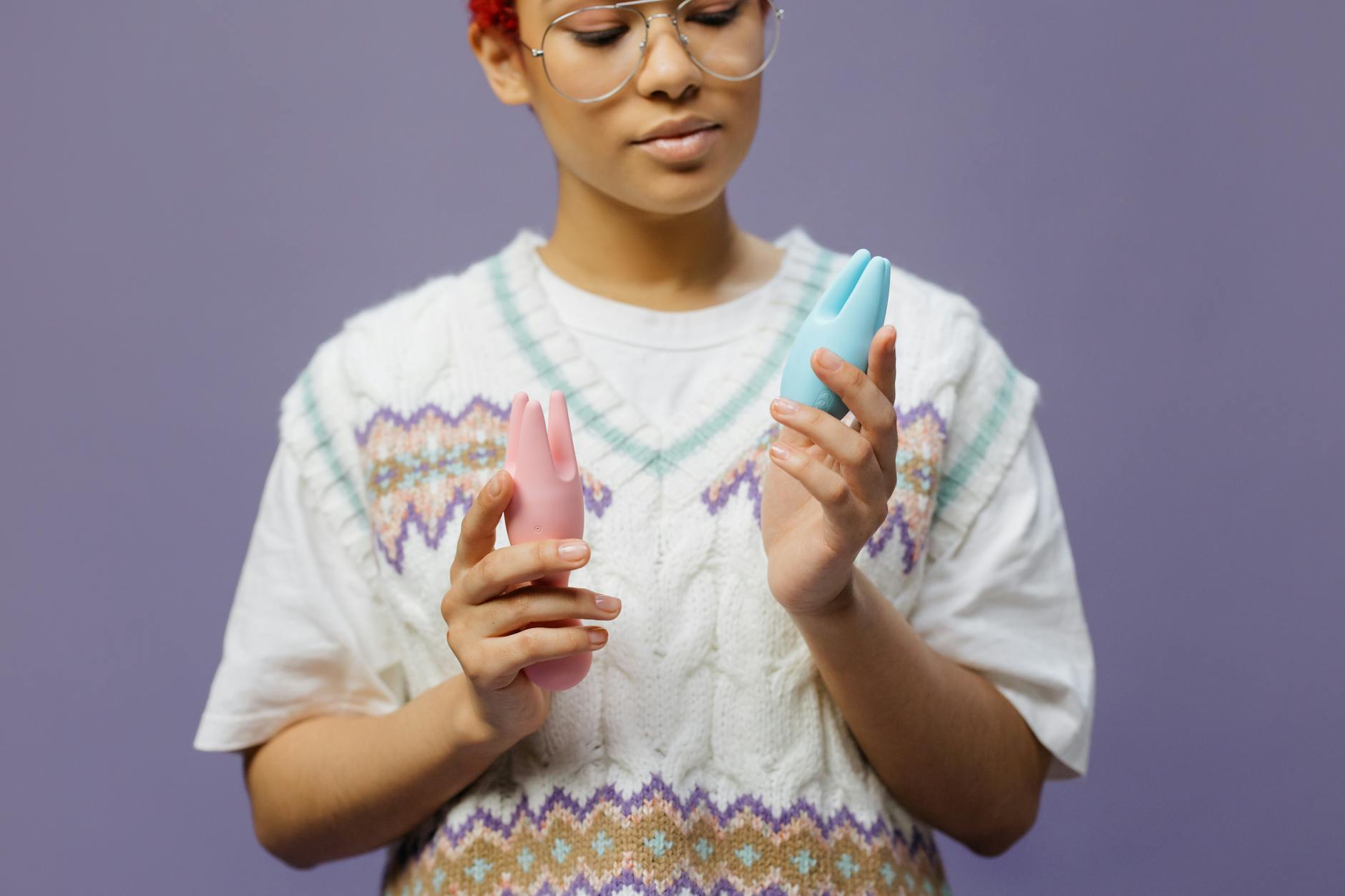
Photo by cottonbro studio on Pexels
The lube conversation with a partner
If you're using lemon clitoral vibrators with a partner and want to introduce lube, frame it as comfort, not need. "I want to use lube so I can relax more" lands differently than "I need lube because my body doesn't work right." The first is about optimizing pleasure. The second sounds like a problem.
It's not a problem. It's texture preference. Own that.
If your partner has opinions about lube, you can listen and then decide for yourself. Your pleasure matters more than their comfort with the logistics. If they won't use it, you can apply it yourself. You're not waiting for permission.
The mess factor, honestly
Yes, lube can feel messy. Here's what I've observed in my practice: the mess is usually smaller than people expect. A small amount of water-based lube and a hand towel will take care of it. The mess of not using lube, though. The friction sensitivity. The raw feeling for hours afterward. That's worse.
Mess is temporary. Discomfort lingers.
For sheets, use a dark towel underneath if you're really concerned. It's what they're for. Or, accept that this is part of having pleasure with your body. Humans who have sex, whether solo or partnered, deal with bodily fluids. It's not shameful. It's life.
FAQ
Can I use coconut oil with lemon vibrators?
Coconut oil feels smooth and natural, which makes it appealing. But it can degrade silicone toys over time and traps bacteria more easily than water-based options. It's also hard to clean off sheets. Stick to water-based or silicone-based lubes designed for toys if you're using lemon clitoral vibrators regularly.
How often do I need to reapply lube during a session?
It depends on the lube formulation and how long you're going. Most water-based lubes last 10 to 20 minutes. Hyaluronic acid lubes last longer. Start light and see. You'll notice when it's drying out because the sensation changes. Then add a bit more. It's not complicated.
Does lube reduce sensation?
No. The opposite is usually true. Lube reduces friction pain, which means your nervous system relaxes instead of bracing. That actually heightens sensation because you're not distracted by discomfort. Some people report stronger orgasms with lube because they can relax fully.
What if I'm allergic to most lubes?
Try brands that use minimal ingredients. Hyalo and Sliquid are made with very few additives. You could also try aloe vera gel, which is thin and has minimal ingredients, though it's not specifically formulated for toys. If even that causes irritation, talk to a gynecologist. Some people have sensitivities that require specific lubricants.
Is it normal to need lube every time?
Yes. Your body's natural lubrication varies based on hormones, hydration, stress, and where you are in your cycle. Some days you'll have plenty. Some days you won't. Using lube when you need it isn't a sign something's wrong. It's staying attuned to your body.
Can my partner and I share a lube preference?
You can talk about it, but ultimately, the person whose body is being touched gets the final say. If you like a thicker lube and your partner prefers thin, you can compromise by using less of the thicker version, or you can apply what feels good to you. This is one area where your comfort truly does come first.
The bigger picture
Lube isn't optional, and it's not a sign of dysfunction. It's a tool that makes pleasure more accessible. When you find one that works for your body and your texture preferences, using a lemon vibrator becomes simpler, more relaxing, and more satisfying. You're not fighting your body. You're working with it.
The friction, the mess, the discomfort. None of that serves you. If lube has been the barrier between you and the pleasure you want, try a new approach. Because the right lubrication shouldn't be another thing to manage. It should disappear into the background and let you focus on what matters. Your pleasure. Your body. Your time.
Ready to explore what works for you? Start with a small amount of a hyaluronic acid-based lubricant and your clitoral vibrator. Notice what feels good. Adjust from there. Or if you have questions about finding the right approach for your body, reach out. We're here to help.
Sources
- American College of Obstetricians and Gynecologists (ACOG). "Sexual Health and Lubricants: Clinical Guidelines." ACOG Committee Opinion, 2023.
- Herbenick, D., et al. "Women's Experiences with Genital Touching, Sexual Pleasure, and Orgasm: A Qualitative Study." Journal of Sex & Marital Therapy, 2020.
- Nagoski, E. Come As You Are: The Surprising New Science That Will Transform Your Sex Life. Simon & Schuster, 2015.
- Mayo Clinic. "Sexual Dysfunction in Women: Causes and Solutions." Mayo Clinic Health System, 2024.