When conflict kills the mood
Let's be real. After a blowout with your partner, sex stops feeling like connection and starts feeling like obligation. Or worse, impossible. Your body goes into protection mode. The nervous system that's supposed to say "yes" is still saying "no." And honestly, that's not broken. That's your body doing exactly what it's supposed to do.
The thing is, waiting for your partner to fix it doesn't usually work. Sometimes the pathway to reconnection starts alone.
What happens to desire when there's unresolved tension
When conflict sits between you and your partner, your body registers it as a safety threat. The vagus nerve (the main highway for sexual response) stays partially activated toward threat detection, not pleasure. You might feel numb, or irritated by touch, or completely disinterested in sex. None of that is a reflection on your partner or your relationship. It's neurobiology.
Here's what's useful to know: pleasure doesn't disappear after conflict. It goes underground. It's still there, but it's protected. Accessing it solo, before you involve your partner again, does something specific. It tells your nervous system that safety can exist independently of the relationship tension. That's the reset.
Starting with solo exploration using a lemon clitoral vibrator
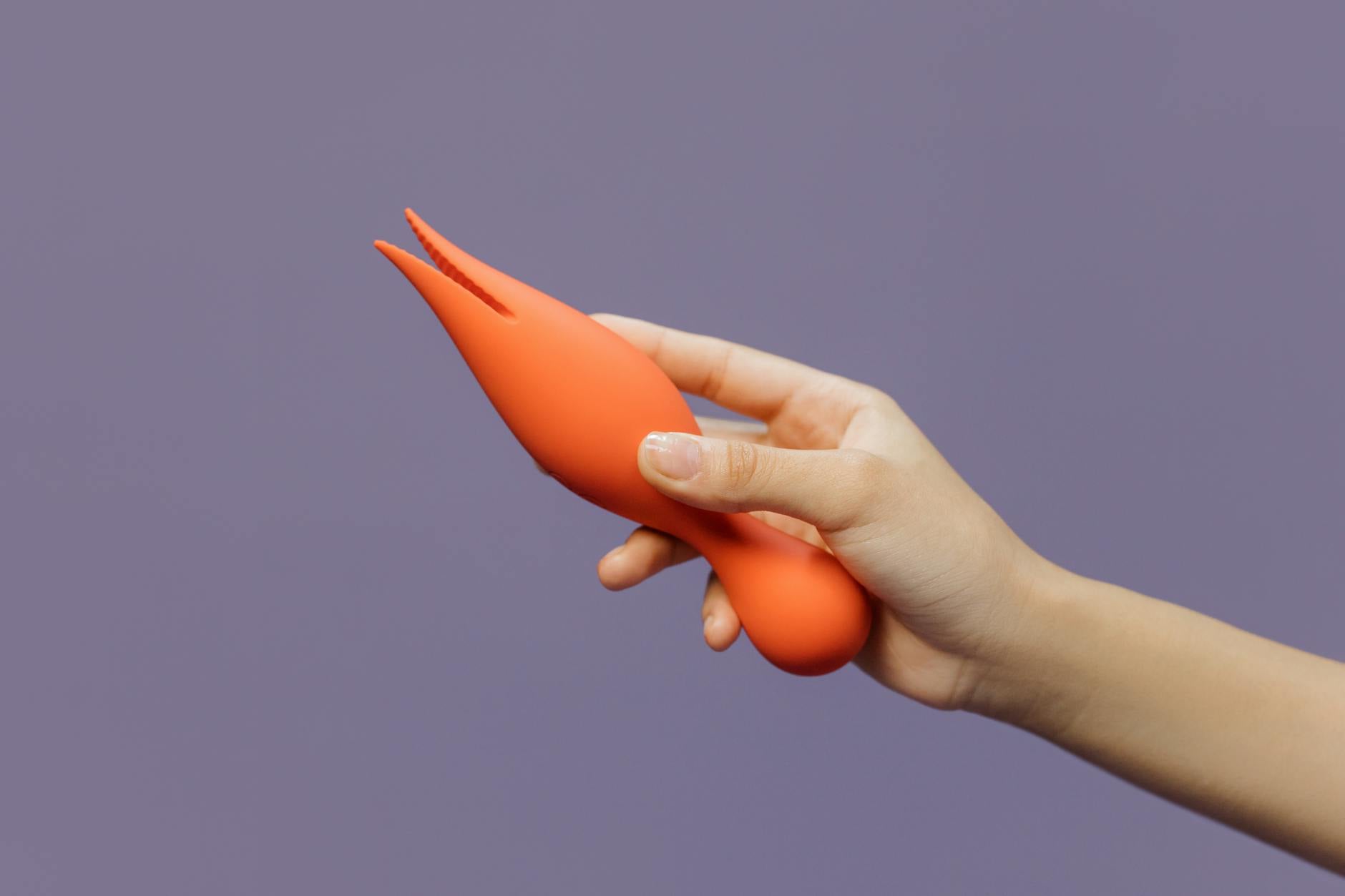
This is where a Lem Vibrator or other dedicated clitoral vibrator becomes genuinely valuable. Unlike penetrative options or broad stimulation, air-suction lemon vibrators create a focused, almost meditative sensation. They don't require you to build to performance. You set the intensity and rhythm, full stop.
When you're coming back from conflict, I recommend:
Set a real boundary with time and space. Not a quick stolen moment. Block 30 to 45 minutes when you're genuinely alone and your nervous system isn't on high alert. This signals to your body that pleasure is legitimate, not rushed.
Start at the lowest setting. Your clitoris has been protected. Meet it where it is, not where you think it should be. Many people find that gentle suction (think a lemon sucker rather than intense vibration) reawakens sensation more gradually. There's no pressure to reach orgasm. The goal is recalibration, not performance.
Pay attention to temperature and touch. Warm your hands before touching your body. Notice what texture or speed stops feeling protective and starts feeling good. This is data. You're learning what your body needs right now, in this specific moment.
Why this works better than jumping back into partnered sex
When you rebuild solo first, three things shift. One, you interrupt the association between conflict and numbness. You literally prove to your nervous system that pleasure is available, even when the relationship is awkward. Two, you regain agency. After conflict, sex can feel like you're either trying to fix things or proving something. Solo pleasure has no agenda. Three, you get clarity about what you actually want from your partner, rather than just what you think you should want.
I've worked with couples where the breakthrough came when one partner spent a week with their lemon vibrator, not trying to get over anything, just getting reacquainted with their own body. Then, when they reconnected with their partner, the conversation was honest. "I need us to rebuild trust before sex works again" sounds different when you've already rebuilt something with yourself.
The timeline question: when to bring your partner back in
There's no universal answer, but here are the signs I look for. One, you're reaching orgasm consistently when you're alone. Not every time, but regularly. Two, you're thinking about pleasure without guilt or resentment. Three, you've talked to your partner about the conflict. Not necessarily resolved it perfectly, but talked. You've both named what happened.
When you're ready to bridge back to partnered sex, go slowly. Consider a Lem Vibrator as a tool in the reconnection, not as a workaround. Some couples find that introducing a lemon clitoral vibrator into foreplay removes the pressure for one person to "perform" pleasure for the other. You're building sensation together, but you're not dependent on the other person for the core experience. That's powerful.
The conversation with your partner
Here's what doesn't work: "I've been using a vibrator because you haven't been helping me" or disappearing into solo pleasure without explaining. Here's what does: "I need to rebuild my own sense of safety and pleasure right now. It's not about you. It's about me recalibrating. Once I'm there, I want us to reconnect."
If your partner is insecure about vibrator use, that's a separate conversation. And frankly, it's important. A partner who can't hold your need for solo pleasure without taking it personally is showing you something about how they respond to your agency. Pay attention to that.
What happens if pleasure stays distant
If after two to three weeks of regular solo exploration, you're still feeling numb or avoidant, that might signal something beyond the immediate conflict. Trauma responses, depression, medication side effects, or deep relationship incompatibility can all show up as sexual shutdown. If that's the case, bring in a sex therapist or couples counselor. That's not a failure. That's wisdom. Sometimes solo pleasure tools aren't enough, and that's when you need professional support to understand what's actually blocking you.
Rebuilding touch with your partner
Once you've reconnected with solo pleasure, some couples report that reintroducing their partner requires a deliberate conversation about what touch means now. Not sex immediately. Touch. Hand on shoulder. Kiss on the neck. Sitting close. The nervous system needs to learn that partner touch is safe again.
When you do return to partnered sex, a lemon vibrator can be a bridge. Your partner stimulates you with it. You guide the pace. You're not performing arousal; you're collaborating on building it. That's wildly different from the pressure-cooker dynamic that often follows conflict.
The bigger picture
Using a lemon clitoral vibrator after relationship conflict isn't about avoiding your partner. It's about tending to yourself as a prerequisite for tending to the relationship. Your nervous system needs proof that pleasure is still possible, that you're not broken, that safety can exist even when things are tense. Once your body knows that, reconnection becomes a choice, not a desperation move.
Take the time. Use the vibrator. Notice what comes back. And when you're ready to bring your partner in, bring them in as a collaborator, not as a fix.