
Here's what nobody talks about with long-term partners
After five, ten, fifteen years with the same person, your body knows exactly what's coming. And that's the problem. Your nervous system stops paying attention. The touch that once made your skin electric now registers as background noise. You're not less attracted. You're not broken. You're just neurologically adapted to a predictable pattern, and your brain has decided that familiar stimulation isn't worth the full attention anymore.
This is called habituation. It's a real neurological phenomenon, not a sign your relationship is dying.
Why familiar touch stops firing your nervous system
Your nervous system is built to notice novelty. When your partner touches you the same way they've touched you for years, your sensory neurons literally send fewer signals to your brain. It's not laziness. It's efficiency. Your brain is saying, "I've already catalogued this. Moving on."
This happens particularly with partner sex because it's predictable. Same position. Same rhythm. Same pressure. Same timing. Your clitoris adapts to the stimulation pattern and stops responding with the same intensity. You might still have an orgasm, but it feels distant or muted. You're going through the motions. And then you feel guilty about that, which makes everything worse.
The fix isn't communication about your feelings (though that helps). The fix is literally introducing stimulation your nervous system hasn't encountered before.
That's where a lemon vibrator comes in. Not as a replacement for your partner. As a signal to your nervous system that something new and interesting is happening.
How air-pulse vibrators wake up numbed sensation
Most conventional vibrators use linear vibration. Your body adapts to linear vibration quickly. It's the same oscillating pattern, repeated. Your nervous system files it away after a few minutes.
Lemon vibrators use suction and air-pulse technology. This is different. Instead of a buzzing sensation, you're experiencing a rapid pulsing suction pattern. It's novel. Your clitoris hasn't been numbed to it because you haven't been experiencing it for years with a predictable partner.
When you introduce this new stimulation, your nervous system wakes up. Not because it's "better" than partner touch. But because it's unfamiliar. Your sensory nerves fire more densely. Blood flow increases. You feel it in a way you haven't felt sensation in months.
And here's the key part: after your nervous system is reawakened through this new sensation, partner touch can feel new again too.
The protocol: using a lemon vibrator before partner sex
Start solo. Spend 10-15 minutes with the lemon vibrator alone. Focus on learning how your body responds to this new stimulation pattern. Notice which intensity settings feel good. Notice how your arousal builds differently than it does with a partner.
Then, within the same day, have sex with your partner. Don't tell them you're testing something. Just notice what happens. Because your nervous system is still in that alert state, the familiar touch will feel less familiar. You'll register it more fully. Orgasms often feel sharper, more distinct.
Do this two or three times a week. Your nervous system will start to recognize that novelty is possible. That arousal can ramp up quickly. That sensation can be intense. And over time, you'll bring some of that intensity expectation back to partner sex.
Introducing the lemon vibrator into partnered sex
If you want to use it during sex with a partner, there are a few ways to do this that don't feel jarring.
During foreplay. Use the lemon vibrator for 5-7 minutes during foreplay, then transition to partner touch. This signals to your nervous system that both types of stimulation are possible within the same encounter. You're not choosing between them. You're layering them.
As a team approach. Some partners are intimidated by a vibrator at first. If yours is, frame it differently: "I want to explore this new sensation pattern, and I'd like you to be there with me." Many couples find that using a lemon vibrator together, even if just watching or holding it for their partner, creates a new shared experience. You're not having the same sex you've had a thousand times. You're doing something novel together.
After partner sex. If penetrative sex isn't building arousal the way it once did, finish with a lemon vibrator. This creates a new completion pattern. Sex becomes: familiar escalation, then novel finish. Over time, just anticipating that new finish can make the earlier parts feel more engaged.
Managing the guilt part
Many people in long-term relationships feel weird about introducing vibrators. It can feel like an admission that your partner isn't enough. It's not. It's an admission that your nervous system has adapted to a predictable pattern, and that's a normal neurological event, not a relationship failure.
If you're worried about your partner's reaction, remember this: the goal isn't to replace them. The goal is to make sex with them feel fresher. To wake up your own sensory system so that their familiar touch registers differently. Many couples find that introducing a lemon vibrator actually increases intimacy because it becomes a shared project. You're both trying to recreate the novelty and intensity that attracted you to each other in the first place.
The muted sensation resets over time
This isn't a permanent fix. Your nervous system will adapt to the lemon vibrator too, given enough time and repetition. But that's actually fine. Because once your nervous system is trained to recognize intensity and novelty, you can layer in other kinds of novelty. Different positions. Different timing. Different locations. A lemon vibrator jumpstarts the process, but it's part of a larger toolkit.
The real shift happens when you both accept that maintaining sensation in a long-term relationship is an active choice, not an accident. It requires novelty. It requires attention. And yes, sometimes it requires a tool like a lemon vibrator to remind your nervous system what it's capable of feeling.
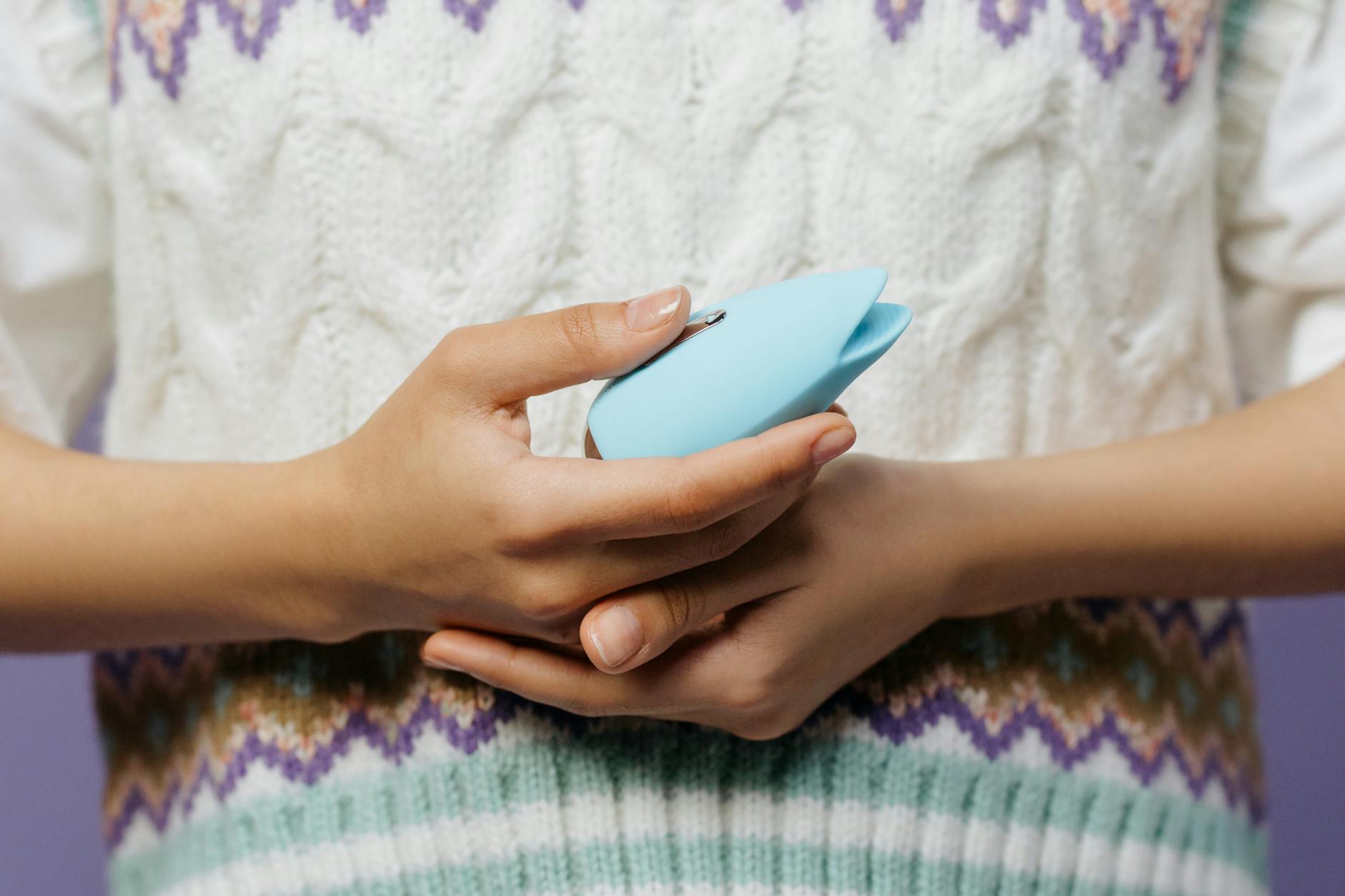
Photo by cottonbro studio on Pexels
When to use a lemon vibrator solo vs. with a partner
Honestly? Start solo. Your nervous system will respond more dramatically to novelty if there's no partner present. You're not splitting your attention between sensation and another person. You can focus entirely on how the lemon vibrator feels and learn your own patterns without pressure to perform or sync with someone else's rhythm.
After two or three solo sessions, bring it into partnered sex. By then, you'll know which settings work for you. You won't be figuring it out in the moment. You'll be confidently introducing your partner to something you've already explored.
FAQ: Lemon vibrators and long-term sensation
Can a lemon vibrator permanently fix muted sensation in a long-term relationship?
No vibrator is permanent. Your nervous system will adapt to any repeated stimulus over time. But a lemon vibrator can reset your sensory baseline and remind you that intensity is possible. Combined with other novelty (new positions, different timing, changing locations), it creates enough variation that muted sensation often doesn't return as quickly.
How often should I use a lemon vibrator if I'm in a long-term relationship?
Two or three times per week is a good starting point. This is frequent enough that your nervous system stays alert to novelty, but not so frequent that you adapt to the lemon vibrator itself. If you use it daily, you'll habituate to that too.
Will my partner feel threatened if I introduce a lemon vibrator?
Some will, some won't. Frame it around sensation, not replacement. "I want to explore a new kind of stimulation, and I'd like you to be part of it" is very different from "I need this because partner sex isn't working anymore." The first invites collaboration. The second sounds like criticism.
Can I use a lemon vibrator during penetrative sex with a partner?
Yes. Most lemon vibrators are designed to be used during partner sex. Position it on your clitoris while your partner penetrates. The air-pulse sensation plus penetration creates a layered experience that's genuinely different from either one alone. Start with lower intensity settings if you're new to this.
What if I've used the same vibrator for years and it doesn't work anymore?
You've habituated to that stimulus pattern too. This is actually a sign to try something with a different technology. If you've used a standard vibrator forever, a lemon vibrator with air-pulse technology will feel novel again. The change in stimulus type matters more than the brand.
Is it normal for sensation to feel muted after a decade or more together?
Completely normal. Neurologically, your brain stops paying attention to repeated, predictable stimuli. This isn't about your relationship quality or your attraction. It's about your nervous system doing its job: conserving attention for novel, potentially important information. Reintroducing novelty is how you reset that.
What comes next
Introduce a lemon vibrator not as a solution, but as an experiment. Notice what happens to your nervous system. Notice how partner touch feels different afterward. Notice whether the novelty of exploration brings you closer together or creates distance.
Most couples find that introducing shared novelty actually strengthens intimacy. You're admitting together that maintaining sensation takes work. You're both willing to try something new. And you're choosing to show up for each other in that exploration.
That's not desperate. That's committed. Want to talk through how to approach this conversation with your partner? Get in touch and we can figure out what might work for your specific situation.