Let's start with the honest part
Surgery changes your body. Not just physically on the surgical site, but everywhere. Your nervous system recalibrates. Your pelvic floor tenses or loosens unexpectedly. Your brain is processing trauma at a cellular level while also managing pain and medications. And somewhere in all that, pleasure gets quiet.
This is completely normal. It's also completely recoverable.
What surgery actually does to sensation
Depending on what you had done, different things shift. Breast surgery changes nipple sensation sometimes for months or years. Hysterectomy rewires pelvic floor sensation and sometimes orgasm intensity. Abdominal surgery (whether C-section, appendectomy, or other) creates scar tissue that affects nerve signals through your entire lower belly and sometimes into your pelvic region.
Here's what I see most often clinically. The first 6-12 weeks post-op, sensation is genuinely dampened. Nerves are inflamed. Your nervous system is in protection mode. Everything feels distant or numb. After that window, sensation often returns, but it's usually different. Sharper in some places, duller in others. The pattern has shifted.
Your ability to orgasm? That's not gone. But the pathway to get there often changes. What used to take five minutes might take twenty. What used to require direct pressure might need gentle circles. Vibration patterns that worked before might feel too intense against healing tissue.
This is where lemon vibrators help. Not because they're magic, but because they work with how your body is actually functioning right now, not how it used to function.
Why suction works better for post-surgical bodies
Most clitoral vibrators use direct mechanical vibration. Your tissue presses against the device, and the vibration transmits through contact. After surgery, especially if scar tissue is forming or nerves are still settling, direct vibration can feel sharp, overwhelming, or nothing at all.
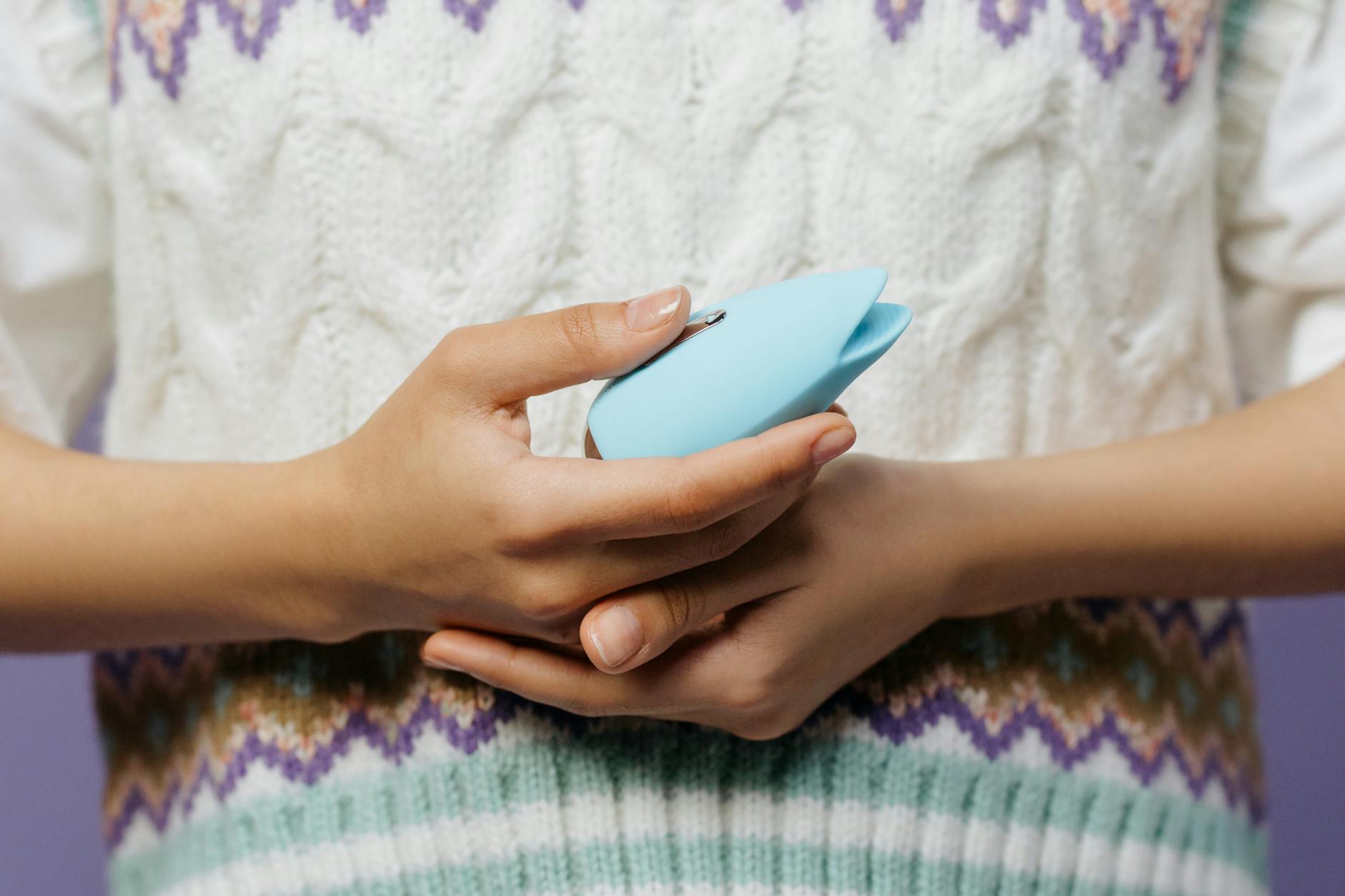
Lemon clitoral vibrators use suction instead. The device creates a gentle vacuum that stimulates nerves without requiring direct pressure or friction. This matters enormously post-op because it means you can experience stimulation without irritating healing tissue or triggering pain responses.
The suction also engages a different set of nerve pathways than vibration alone does. Many people recovering from surgery report that suction feels less jarring and more integrated with their overall pleasure response. You're not fighting your body's healing process. You're working with it.

Photo by Madison Inouye on Pexels
The timeline for reintroducing pleasure
Most surgeons clear you for sexual activity around 4-6 weeks post-op. This does not mean your body is ready for pleasure. Medical clearance and pleasure readiness are different conversations.
Weeks 1-6: rest. Don't introduce anything sexual yet. Your nervous system is in crisis management.
Weeks 6-12: gentle exploration. If you've been cleared and you're not in pain, you can start touching yourself again, but very slowly. This is about rebuilding the neural pathways from your brain to your genitals, not about reaching orgasm. Many people find that just holding a lemon vibrator without turning it on, letting their body remember what pleasure feels like, is enough for this phase.
Weeks 12-24: gradual intensity. Now you can try the lowest settings. Pattern 1 on a lemon vibrator. Most people are amazed at how sensitive they are right now. What used to be a background hum now feels like a conversation with your nervous system.
After 24 weeks: full integration. By this point, most people report that sensation has stabilized into its new pattern. You know what feels good now. You know what still hurts. You can adjust.
Some people heal faster. Some slower. Surgery itself matters too. C-section recovery is different from hysterectomy recovery, which is different from breast surgery recovery. Listen to your specific timeline, not someone else's.
How to use a lemon vibrator safely while healing
Four practical steps:
Start with pattern one, lowest suction. You're not trying to orgasm. You're reintroducing sensation. Spend 5-10 minutes just noticing. Your job is observation, not achievement.
Use plenty of lubrication. Water-based only. Your tissue is more delicate than usual. Lubrication reduces friction and helps you distinguish between sensation and irritation.
Stop immediately if you feel sharp pain. Pressure or fullness is normal. Sharp pain or burning is your nervous system saying not yet. Respect that.
Track what feels different. Keep notes if you can. Intensity level that worked today. How it felt different from yesterday. Where sensation is strongest. This helps you understand your body's new map instead of fighting it.
Many people discover during post-surgical recovery that they actually prefer lemon vibrators permanently. The suction feels more integrated. The sensation is more nuanced. Pleasure becomes less about intensity and more about presence. That's not a loss. That's a different kind of good.
When sensation isn't returning
Most people regain normal sensation within 12-18 months. Some take longer. A few don't get it back completely.
If you're at 6 months and sensation still feels completely absent, talk to your surgeon or a pelvic floor physical therapist. Sometimes scar tissue is restricting nerve signals. Sometimes inflammation persists. Sometimes you need treatment to help your body move forward. This is not failure. This is problem-solving.
Testosterone therapy, topical nerve stimulants, pelvic floor PT, and time are all evidence-based approaches. A good provider will help you figure out which combination fits your situation.
What I see almost universally: pleasure returns. It might look different than it did before. You might need a lemon vibrator instead of another brand. You might need longer warm-up time. You might find that partner sex feels different from solo exploration, at least for a while. But returned, it does. Your body wants to feel good again. Surgery doesn't erase that.
The mental part matters as much as the physical
Here's something nobody talks about: after surgery, your brain is often more afraid of pleasure than your body is. You're worried about damaging the surgical site. You're scared the pain will come back. You're grieving the body you had before surgery changed things.
These thoughts are real, and they suppress arousal more effectively than any physical complication can.
Rebuild slowly on purpose. Let your brain catch up to your body's healing. If you're exploring with a partner, let them know you're not sure what you can do yet and that's okay. You're not broken. You're recalibrating. Give yourself that grace.
Most people find that by month six or nine, the fear loosens. Your body has proven it's healing. You've had small pleasures without consequence. Your brain starts trusting again.
People also ask
How long after surgery can I use a lemon vibrator?
Wait until your surgeon clears you for sexual activity, usually 4-6 weeks. But even then, don't jump straight to a vibrator. Spend weeks 6-12 relearning what sensation feels like. Start with a lemon vibrator around week 8-10 if you're healing normally and want to. Go slower than you think you need to.
Will using a lemon vibrator damage my surgical site?
No, if you use it correctly. Suction vibrators don't put pressure on internal surgical sites. They stimulate external tissue only. What matters is that you go gently, use plenty of lubrication, and stop if anything hurts. Sharp pain is a signal. Pressure or fullness is usually fine.
Why does my lemon vibrator feel uncomfortable when it didn't before surgery?
Your tissue is different now. Scar tissue, inflammation, or changed nerve sensation can make familiar stimulation feel too intense or uncomfortable. Lower the suction strength and pattern number. Spend more time with lubrication. Sometimes your body just needs weeks to adjust to pleasure again.
Can a lemon vibrator help with scar tissue sensitivity?
Indirectly, yes. Gentle, consistent suction stimulation can help desensitize overactive nerve responses to scar tissue. But if scar tissue is causing pain, talk to a pelvic floor physical therapist first. They can assess whether the scar is restricted and needs manual treatment before you use any vibrator.
Should I tell my partner I'm using a lemon vibrator during recovery?
That depends on your relationship. Many people find that exploring alone first gives them time to figure out what works without pressure. If you're going to have partner sex, telling them you're relearning your body can actually deepen intimacy. It gives you both permission to go slowly and check in frequently.
How do I know if my sensation is returning normally?
Progress usually looks like: weeks 6-12, no sensation or very dull; weeks 12-24, sensation returns but feels different or more sensitive; after 24 weeks, sensation stabilizes into your new pattern. You should notice it taking less time to feel aroused. Stimulation should feel less numb. You should be able to distinguish between different intensities of pleasure. If you're not seeing that progress by month six, check with your healthcare provider.
You're not starting over
Recovery can feel like you're learning pleasure from scratch. You're not. You're learning it differently. Your body's capacity for pleasure didn't get removed during surgery. It just shifted. A lemon vibrator helps you find the new pathway because it works gently, with your healing, not against it.
Give yourself time. Give yourself permission to be different now. In a few months, you'll have rebuilt something maybe even better than before. Not because you had to, but because you took the care to do it slowly.