Let's be clear about what vaginismus actually is
Vaginismus is not a moral failing. It's not your fault, and it's not about your desire or attraction. It's an involuntary contraction of the pelvic floor muscles. Your body learned, at some point, that tightening those muscles kept you safe. Now that reflex happens automatically whenever penetration feels imminent.
The problem is that safety mechanism doesn't turn off on command. You can want penetration desperately and still have your pelvic floor lock down. That gap between intent and body response is where most of the frustration lives.
Why clitoral pleasure comes first in recovery
Here's the thing that most pelvic floor therapists will tell you: pleasure is medicine. When you experience genuine clitoral pleasure, your nervous system registers safety. Your body learns that stimulation doesn't equal pain. That learning rewires the protective reflex over time.
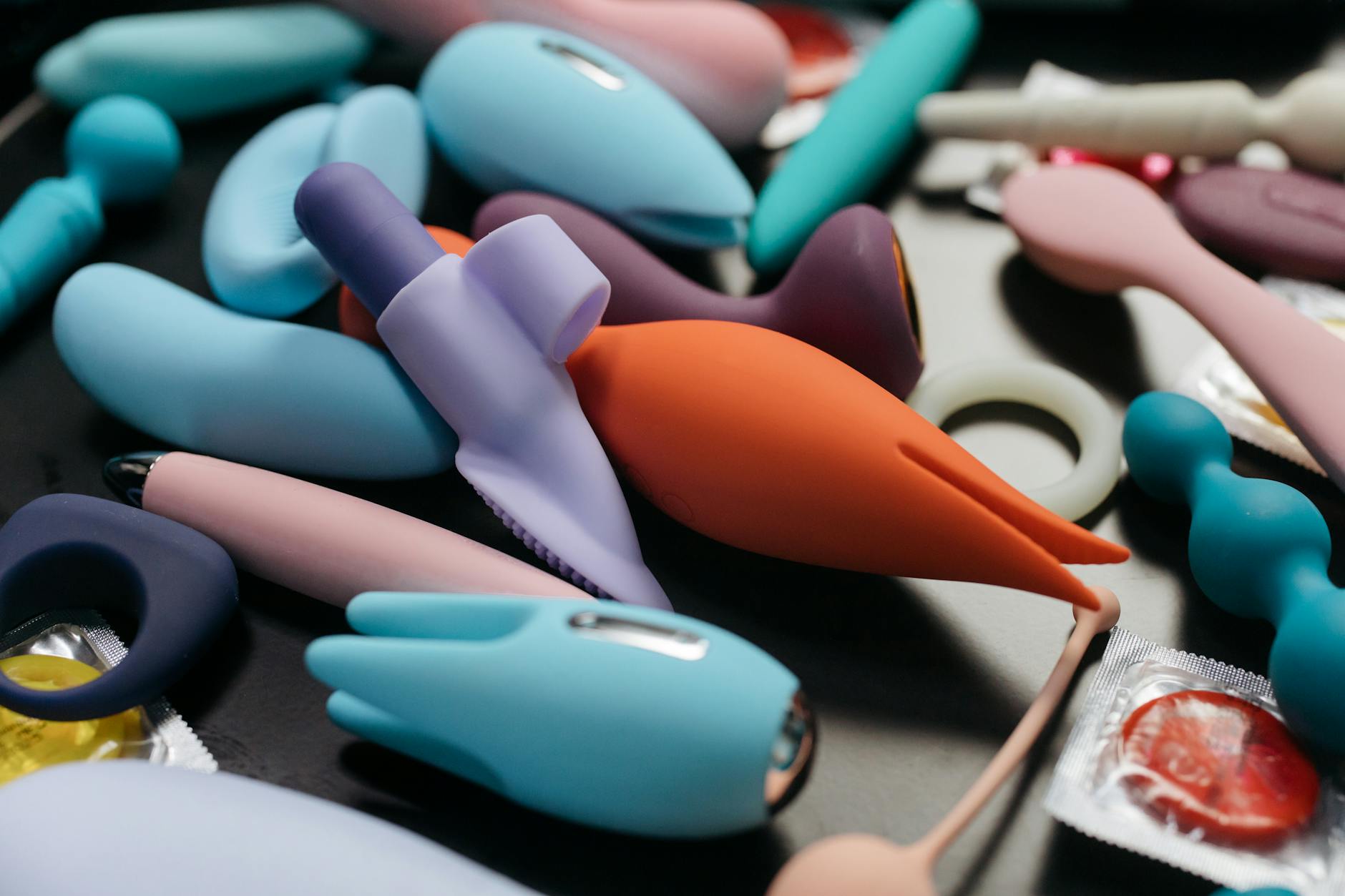
Lemon vibrators, and air-suction clitoral stimulators generally, are particularly useful for vaginismus recovery because they bypass the pelvic floor tension entirely. You're building pleasure pathways that don't require penetration or internal tension. You're literally teaching your nervous system a new script.
Building the pleasure foundation
Start with no penetration pressure. Just clitoral pleasure. This sounds simple, but many people with vaginismus skip this step because they've internalized the idea that "real" sex means penetration. Stop. You're retraining your body's threat response. This is the training ground.
Use your Lem at lower suction levels (patterns 1-3). Let yourself explore what feels good without the mental load of "will this lead to penetration." Many people discover, for the first time, what their body wants just for pleasure's sake. That's not a tangent. That's the entire point.
Mind-body connection matters here. Notice what happens when you touch your clitoris without penetration intent. Does your pelvic floor stay relaxed? Do your thighs soften? Does your breath deepen? These are the signs that your nervous system is actually downregulating. You're literally rewiring your body's threat response, one session at a time.
The timeline is not linear
Don't set a deadline for "graduating" to penetration. Vaginismus recovery doesn't work like a progression where you check boxes and move on. Some days your pelvic floor will be looser. Some days tighter. Stress, sleep, your cycle, and emotional stuff all affect muscle tone.
What matters is consistency with pleasure, not forcing progress. If you use your clitoral vibrator three times a week for two months and your pelvic floor tension hasn't budged, that's not failure. You've established a pleasure practice. You've told your body that touch is safe. That's foundational work.
Working with a partner (if you have one)
If you're in a relationship, this is worth a separate conversation from vaginismus itself. Let me explain the distinction. Your partner may feel rejected during penetration attempts. That pain response feels personal to them. It's not. Your pelvic floor didn't tighten because you don't want them. It tightened because your nervous system categorized penetration as a threat.
Shift the conversation to exploration. "I'm learning what my body needs to feel safe. This vibrator is part of that process. It's not a replacement for you." Then create time where you use your Lem together without pressure for penetration. Let them see your pleasure. Let them participate in your healing without it being about them getting what they want.
If your partner makes recovery about their sexual frustration, that's a relationship problem, not a vaginismus problem. That requires a different conversation entirely. Your healing timeline is not negotiable.
When to bring in a pelvic floor specialist
Clitoral pleasure and regular vibrator use help build the nervous system foundation, but many people with vaginismus also need hands-on pelvic floor physical therapy. A pelvic floor physical therapist can teach you how to actually relax those muscles intentionally. You can't consciously relax a muscle you don't know how to contract.
They can also rule out other issues like vulvodynia or vestibulodynia, which sometimes coexist with vaginismus and require different approaches. If you've been trying clitoral pleasure work for two months and your pelvic floor still locks instantly at the thought of penetration, get a referral.
The role of breathwork and grounding
Your pelvic floor responds to your nervous system state. When your nervous system perceives threat, muscles tense. When it perceives safety, they relax. Breathwork is the fastest way to shift your nervous system.
Before using your Lem, spend 30 seconds on a grounding breath. Breathe in for four counts, hold for four, out for six. The exhale matters most. Your parasympathetic nervous system activates on the exhale. You're literally telling your body it's safe.
During pleasure, pay attention to your breath. If you're holding it, your pelvic floor is probably tensing. Keep breathing. Long, slow exhales. Your body will follow.
What recovery actually looks like
Vaginismus recovery rarely means one day you can penetrate painlessly and move on. More often, it means your pelvic floor gradually becomes less reactive. Tension softens. Your body needs less perceived threat to relax. Over months, penetration might become possible. Over more months, it might feel good.
But the recovery isn't the goal. Pleasure is. If clitoral pleasure becomes your primary sexual experience and penetration never happens, and you're satisfied, that's recovery. Recovery means your body isn't in pain, your nervous system isn't hypervigilant, and you have agency over your own pleasure.
Every session with your Lem that feels good is part of that. You're not moving toward an endpoint. You're building a different relationship with your body entirely.
Common setbacks and what they mean
Sometimes you'll use your vibrator and feel nothing. No pleasure, no sensation, no relaxation. This happens. Stress, hormones, distraction, or just an off day can flatten sensation. This doesn't mean you've lost progress. Rest and try again tomorrow.
Sometimes using a vibrator will make you anxious because you worry about penetration expectations. That anxiety is real and valid. It means you need more time building pleasure without any penetration possibility. Use your vibrator with explicit permission to stop any time. Control is part of safety.
Sometimes your pelvic floor tenses even during clitoral pleasure. That's okay. You're still training your nervous system. Tension during pleasure is less than tension during anticipated penetration. That's progress.
The mental component matters as much as the physical
Vaginismus often has roots in trauma, anxiety, or learned association between penetration and pain. The physical tension is real, but it's a symptom, not the cause. A good pelvic floor therapist will address both. Many also recommend therapy to address the underlying nervous system patterns.
If you have a history of sexual trauma, vaginismus recovery can stir things up. Pleasure sometimes feels unsafe if you've internalized the idea that your body isn't yours. A therapist trained in trauma and sexuality can help you separate past threat from present safety.
Your body's protective reflex made sense once. Now you get to teach it something different.
FAQ
Can I use a lemon vibrator if I have vaginismus?
Yes. Clitoral vibrators like the Lem work outside the pelvic floor tension zone, so they don't trigger the involuntary contraction. They're useful for building pleasure pathways that your nervous system registers as safe, which supports long-term vaginismus recovery.
Will using a vibrator make vaginismus worse?
No. The concern is usually that pleasure vibrators will create a "dependence" or that you'll never transition to penetration. That's not how bodies work. Using a vibrator doesn't damage your capacity for other kinds of touch. It expands it. Building pleasure patterns supports healing, not prevents it.
How long does vaginismus recovery take?
It varies wildly. Some people see shifts in a few months with consistent pelvic floor therapy and pleasure work. Others take a year or longer. There's no standard timeline. The goal isn't speed. It's building a nervous system response that feels safe in your body.
What if my partner doesn't understand why penetration isn't possible yet?
Then you have a relationship education conversation, not a vaginismus problem. Your partner needs to understand that vaginismus is an involuntary reflex, not a choice or a statement about desire. If they can't accept that your recovery timeline is yours to set, that's a separate issue worth exploring with a couples therapist.
Can medication help vaginismus?
Sometimes. If your vaginismus is tied to anxiety, anti-anxiety medication or antidepressants can help lower your nervous system's baseline threat detection. This works best alongside pelvic floor therapy and pleasure work, not instead of it. Talk to your doctor.
Should I tell potential partners about vaginismus before sex?
If you're dating, yes. You don't need to disclose on a first date, but before sexual activity, honesty matters. "My body responds to penetration attempts with involuntary tension. It's not about you. I'm working on it. Here's what works for me right now." Most people can handle that. The ones who can't aren't worth your time.
What you actually need right now
You don't need pressure. You don't need a timeline. You don't need to feel guilty about your body's protective response. You need permission to build pleasure on your own terms, with a vibrator that feels good, at a pace your nervous system can manage.
Clitoral stimulation with a tool like the Lem is part of that. Pelvic floor physical therapy is often part of that. Therapy might be part of that. But the foundation is always the same: your body is trying to keep you safe. You get to teach it what safety actually means.
Start with pleasure. Everything else follows.