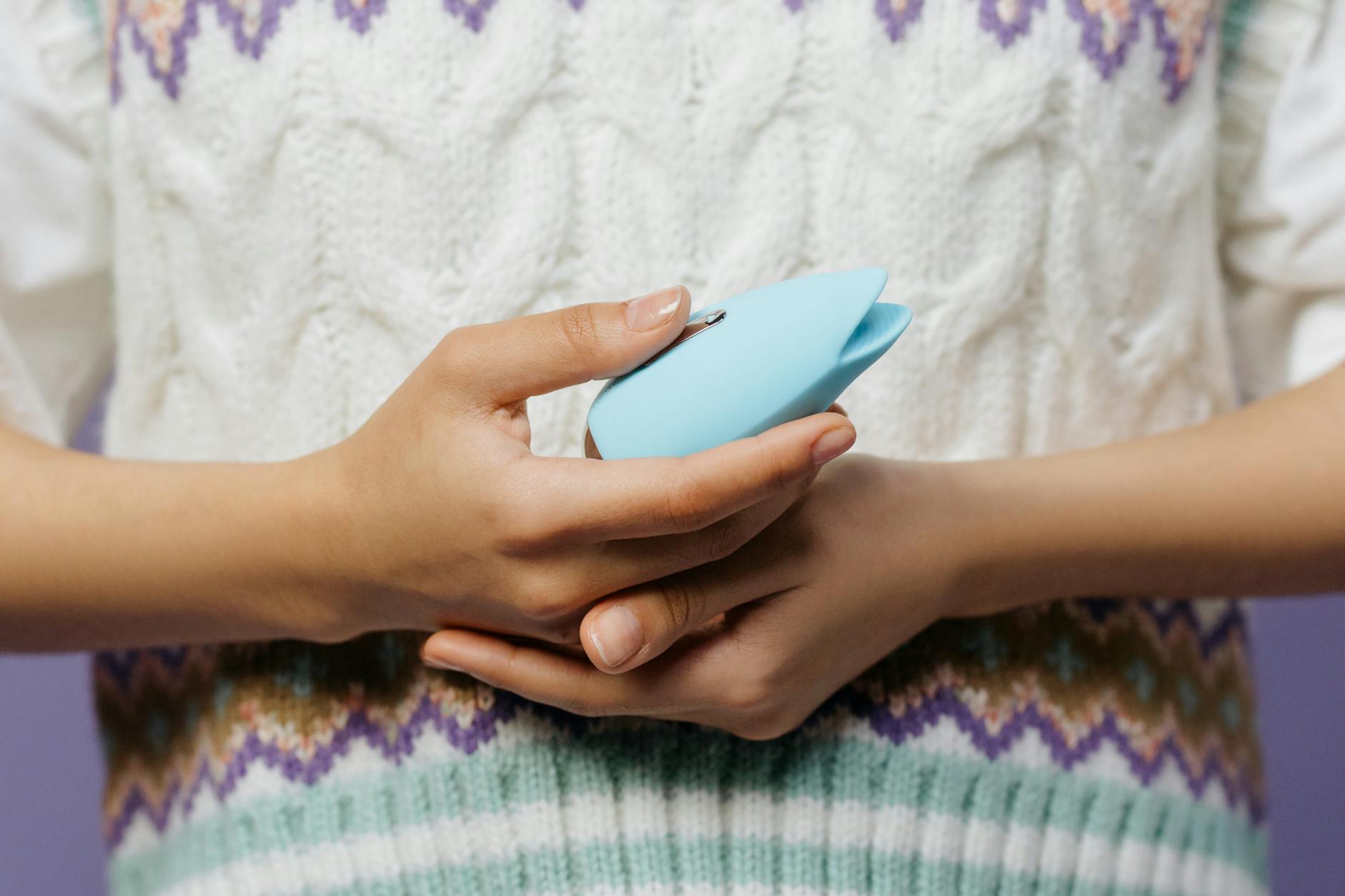
Your clitoris changed, and that's completely normal
Here's what nobody tells you straight: when hormones shift, your clitoris doesn't just need a higher setting or more lube. It needs a different kind of stimulation altogether. The tissue gets thinner, more delicate, more easily overwhelmed by direct friction. Vibration alone can feel sharp or irritating instead of pleasurable. And that's where understanding the difference between friction-based toys and suction-based devices like the Lem becomes genuinely life-changing.
I've worked with hundreds of people navigating this exact transition, and the pattern is always the same: they reach for the same toy or technique that worked for years, it no longer feels good, and suddenly they wonder if something's broken. Nothing's broken. Your body just needs a different conversation.
Why friction vibrators stop working when your hormones shift
Estrogen supports clitoral tissue thickness and blood flow. When estrogen drops during perimenopause, menopause, or other hormonal transitions, that tissue becomes thinner and more delicate. The nerve density doesn't change, but the protective padding does. A vibrator that applies direct, repetitive friction to a thinner clitoris can feel intense in the wrong way: too sharp, too concentrated, sometimes almost painful.
It's not that you've lost sensitivity. It's that you've gained sensitivity in a way that makes the old tools feel wrong.
This also happens after long-term hormonal birth control use, during postpartum recovery, or with certain medications that affect estrogen. The mechanism is the same: tissue changes, friction-based stimulation becomes less appealing, and you need an alternative.
How suction works differently than friction
Unlike traditional vibrators that move back and forth directly on tissue, suction-based devices like lemon vibrators work by creating a gentle vacuum around the clitoris. This stimulates the nerve endings without the same direct pressure or friction. It's almost like the difference between someone tapping your shoulder versus gently pulling the fabric of your shirt. Same general area, completely different sensation.
For clitoral tissue that's become sensitive after hormonal shifts, this distinction matters enormously. Suction spreads the stimulation across a wider surface area and relies on negative pressure rather than mechanical friction. Most people with hormonal shifts find this feels like relief within the first 30 seconds of use.
The Lem Vibrator is specifically designed around this mechanism. It uses patterns of suction and pulsation rather than traditional vibration, which is why it works so well when sensitivity increases.
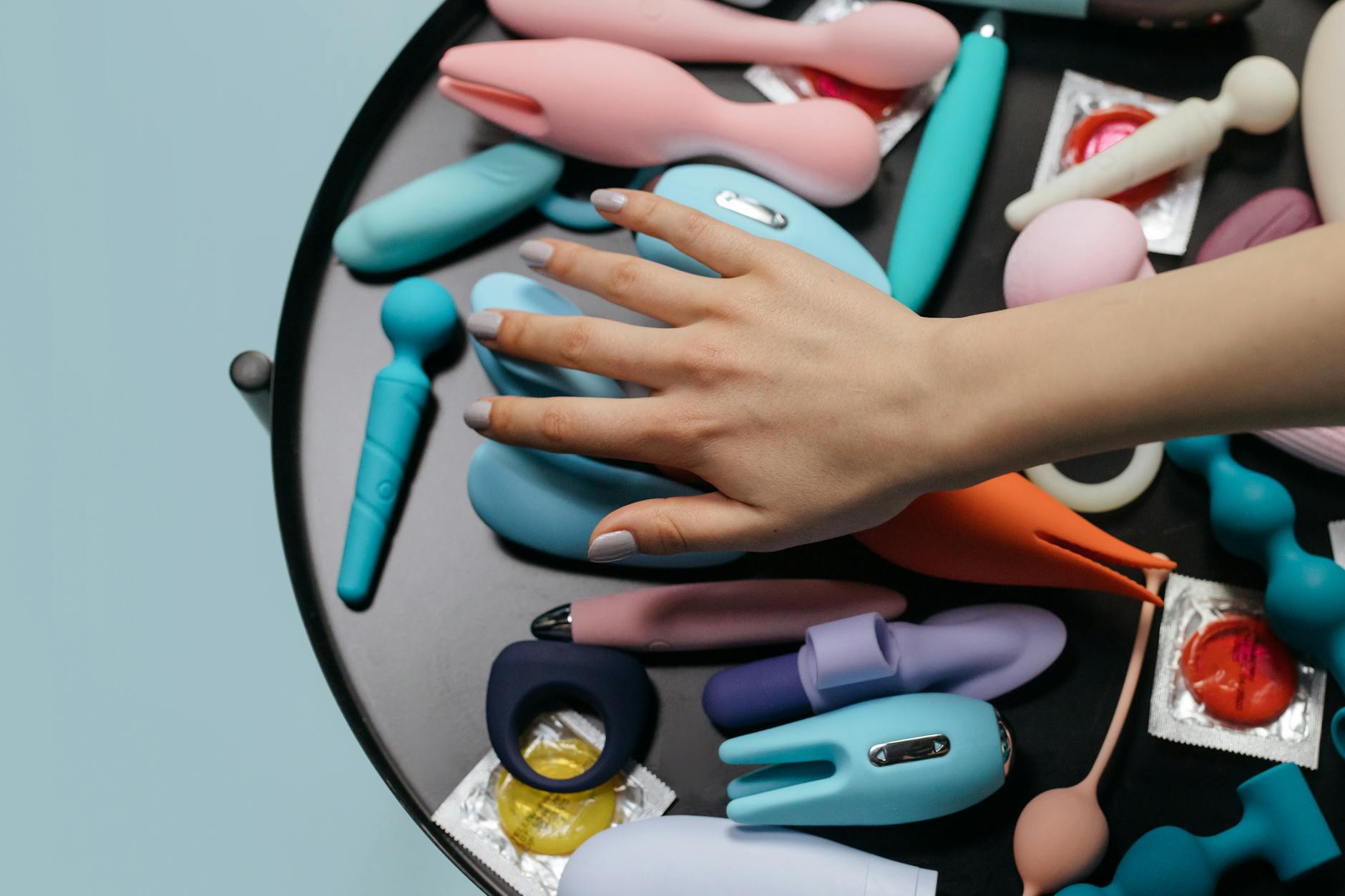
Photo by cottonbro studio on Pexels
The settings you should actually use
Start at pattern 1 or 2, not the middle. Your instinct will be to dial up because you're comparing it to your old toy, but you don't need to. The suction-based mechanism means lower settings deliver more sensation than you'd expect from a traditional vibrator at the same level. Many people never go above setting 3 or 4 and have the most satisfying experiences of their lives.
Spend a few sessions exploring just the first two patterns before moving up. Your brain needs time to recalibrate to this different type of sensation anyway. Jumping straight to higher settings is like turning up the volume on a song before you've heard it before. You miss the nuance.
One more thing: intensity doesn't equal pleasure. After hormonal shifts, gentler often feels better, more sustainable, and more likely to lead to satisfying orgasms. The goal isn't to find the most powerful setting. It's to find the setting that creates the sensation your body is actually asking for right now.
Lubrication: still important, but different
Water-based lube is your friend, even though suction devices don't require the same volume of lubrication as friction-based toys. A small amount helps create a better seal for the suction mechanism to work effectively. It also protects your tissue from any potential irritation, which matters more when you're dealing with hormonal shifts that have already made tissue more vulnerable.
Apply lube to your skin, not to the device itself. This gives you better control over how much you're using and helps the seal stay effective without feeling slippery or loose.
If you've been using numbing or desensitizing lubes, this is a good time to switch. Those products were probably a band-aid for the friction problem. With suction-based stimulation, you don't need them anymore, and they can actually dull the pleasurable sensations you're trying to feel.
Patience during warm-up
After hormonal shifts, arousal typically takes longer to build. Your nervous system isn't broken. Estrogen decline naturally extends the timeline for vasocongestion (the process where your genitals fill with blood in response to arousal). Budget 15 to 20 minutes for warm-up instead of 5 or 10. Use that time for mental foreplay, partner touch, or just solo exploration without any goal other than noticing what feels good.
Many people skip warm-up and jump straight to the toy because the old toy used to work that way. The Lem works better when you've already started arousing your body. It amplifies existing pleasure rather than creating it from scratch.
There's also something valuable about the mental shift: you're not trying to force an orgasm anymore. You're exploring sensation and letting pleasure develop. That mindset change alone transforms the experience.
What to do if it still feels uncomfortable
If you're using the Lem at the lowest settings, you've applied lube, and you've given yourself adequate warm-up time, but it still feels uncomfortable or irritating, something else might be at play. Hormonal shifts sometimes come with vulvodynia or genitourinary syndrome of menopause (GSM), which causes localized pain or burning that isn't solved by a different toy.
In those cases, talk to a gynecologist or menopause specialist. Topical estrogen creams or other treatments can genuinely transform the situation. Don't assume your body has lost the ability to enjoy pleasure. Often you just need a clinical intervention to restore tissue health so pleasure is possible again.
I also see people accidentally use too much suction pressure by inserting the Lem too far into the vulva. The tip should sit on the clitoris itself, not inside. If you're feeling pressure rather than pleasure, adjust your positioning slightly outward.
Solo exploration beats partnership pressure
When your clitoris becomes more sensitive after hormonal shifts, the worst thing you can do is try to have the same sex life you had before with the same techniques and timeline. It doesn't work, you both feel disappointed, and the whole thing becomes emotionally loaded.
Instead, spend a few weeks exploring the Lem on your own. Figure out which patterns feel good, how long warm-up needs to be, what your new pleasure map looks like. Then you have actual information to bring to a partner instead of just saying "it doesn't feel good anymore."
Many people find that solo exploration after hormonal shifts actually deepens partnership pleasure down the line. You know your body again. You know what works. You can communicate that with real specificity instead of vagueness.
The mindset shift that makes this easier
Your clitoris hasn't failed you. Hormones have changed the landscape, which means the old map doesn't work anymore. That's not a loss. It's a recalibration. Many people report that their most satisfying orgasms happen after they've made this adjustment, not before it.
Part of that is physiological. Part of it is psychological: you're paying attention to your body in a way you maybe weren't before. You're being intentional instead of just following a familiar script. You're curious instead of assuming you know how this should go.
That's valuable. Lean into it.
People also ask
Do lemon vibrators work better than regular vibrators for sensitive clitorises?
For most people with hormonally-driven sensitivity, yes. The suction mechanism of lemon vibrators like the Lem distributes stimulation more gently across the clitoral area without the sharp friction of traditional vibrators. That said, sensitivity is individual. Some people prefer other tools. The key is trying different mechanisms and seeing what your body actually prefers, not what you think should work.
How long does it take to adjust to a lemon vibrator after using friction toys?
Most people adjust within three to five uses. Your nervous system quickly learns to recognize suction as pleasurable. However, mental adjustment sometimes takes longer. You might spend a few sessions thinking "this doesn't feel like enough" before your brain catches up to the fact that gentler can be better. Give it at least five full sessions before deciding if it works for you.
Can you use a lemon clitoral vibrator if you have hormonal-related pain or vulvodynia?
It depends on the type of pain. Suction is gentler than friction, so it's often tolerable for people with sensitivity issues. However, some types of vulvodynia or GSM benefit from medical treatment first. Talk to your gynecologist before assuming a different toy will solve pain-based issues. Sometimes you need both a clinical intervention and the right tool.
What's the difference between the suction on a lemon vibrator and other suction toys?
The Lem uses specific pulse patterns that combine suction with rhythmic pressure rather than constant suction. This mimics the stimulation pattern many people find most pleasurable and prevents the kind of overstimulation that constant suction can create. Other suction toys vary in their design. The Lem's approach tends to work particularly well for people with sensitive clitoral tissue.
Should you use a lemon vibrator with a partner present, or is it better solo?
Both work, but they're different experiences. Solo use helps you understand your own pleasure without performance pressure. Partner use can be deeply intimate if both people are on board. After hormonal shifts, many people prefer to explore solo first so they're not also managing a partner's expectations or reactions while they're figuring out what their body needs. Then bring what you've learned into partnered sex.
How often can you use a lemon vibrator without desensitizing your clitoris?
Daily use is fine. Regular use actually tends to maintain and improve sensation rather than dull it, especially after hormonal shifts have already created numbness or difficulty with arousal. The key is varying your patterns and not always chasing the same orgasm in the same way. Mix up which patterns you use and how much warm-up you give yourself.
The real shift is recognizing your body still works
Hormonal transitions change how pleasure works. They don't end it. Understanding the mechanics of why your old tools no longer fit, and finding new ones that do, is genuinely life-changing. The Lem Vibrator and other suction-based devices represent a completely different approach to clitoral stimulation, one that aligns with what your body actually needs right now.
If you're curious about trying a lemon vibrator or have questions about how to use one specifically for your situation, we're here to help. Reach out at /contact and we can talk through what might work best for you.