The brutal trade-off nobody warns you about
You made the right call getting on antidepressants. Your anxiety dropped. Your mood stabilized. You're sleeping better, thinking more clearly, and actually enjoying time with people again. And then your libido vanished like it never existed.
This is not a coincidence. It's not "in your head." And it's not a reason to quit your meds. Here's what's actually happening.
How antidepressants mess with arousal
Most SSRIs (selective serotonin reuptake inhibitors) work by increasing serotonin availability in your brain. That's great for mood. But serotonin does something else too. It dampens the dopamine and norepinephrine systems that drive desire, arousal, and orgasm. It's like dimming the lights on your libido to brighten the lights on your emotional baseline.
The effect varies wildly by person and by medication. Some people notice nothing. Others feel completely numb. Most of us land somewhere in the middle: interest is there, but arousal takes forever to build, and orgasm feels either impossible or weirdly muted when it arrives.
Here's what makes this worse: doctors don't always warn you. You show up expecting your sexual function to be fine, and then you're blindsided when it's not. By then you're three months in, your brain chemistry has stabilized, and you're wondering whether you're supposed to just accept this as the price of mental health.
You don't.
Why antidepressant-related numbness is different
This isn't garden-variety low libido. You're not unattracted to your partner. You're not stressed about work or your body. Your nervous system just isn't registering the stimulus the way it used to.
It's like trying to feel pleasure through a thick pane of glass. The touch is there. Your partner is trying. But the signal isn't reaching your brain with any intensity. Your clitoris might feel almost completely unresponsive, or it might need twenty minutes of consistent stimulation before you feel anything at all.
This matters because it means the fix isn't about more foreplay or better communication (though those help). It's about finding a stimulus your nervous system can actually register through the chemical dampening. That's where clitoral vibrators become genuinely useful, not just a novelty.
Why lemon vibrators work when arousal is chemically dampened
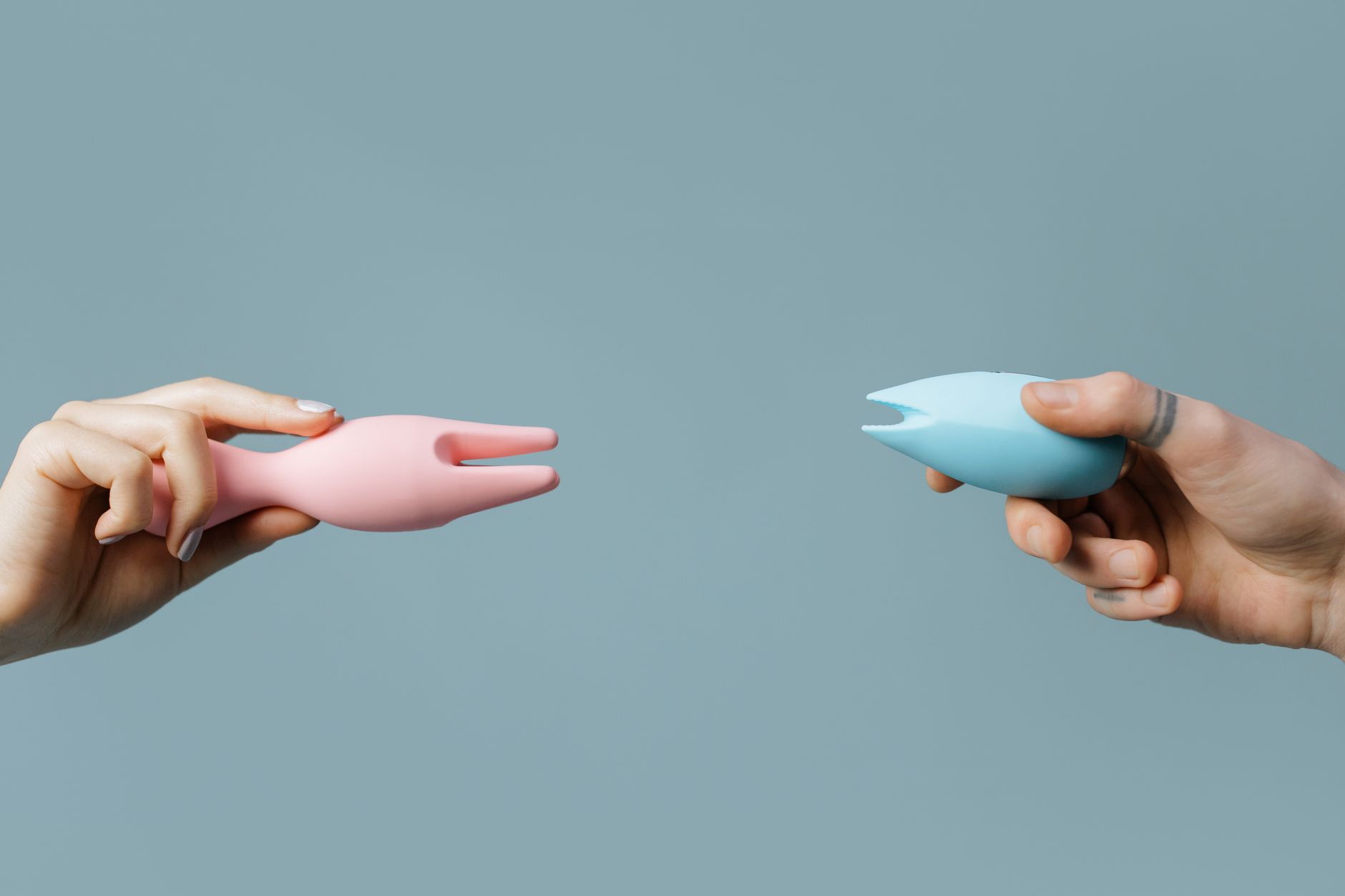
A clitoral vibrator, especially one using air-suction technology like the Lem, works differently than a finger or a tongue. It creates a consistent, intense stimulus that can penetrate the dampening effect of SSRIs more effectively than manual stimulation alone.
The rapid pulsing and suction-based pressure essentially bypass some of that numbness. You're not relying on your nervous system to amplify a gentle touch. You're delivering a strong enough signal that arousal can register even when your brain chemistry is turned down.
Think of it this way: if you're trying to hear someone whisper through a wall, you can't make them whisper louder. But you can use a megaphone. A clitoral vibrator is the megaphone.
This doesn't mean you'll feel exactly like you did before the meds. But you can often rebuild sensation and orgasm capacity more quickly than you could waiting for your body to "adjust." And that matters because sexual pleasure is part of your mental health too. When it's gone, it often triggers depression or relationship strain, which defeats half the purpose of taking the meds in the first place.
The practical approach to rebuilding arousal
Start with realistic expectations about timeline. You're not trying to feel like yourself in 2026. You're trying to get to a place where orgasm is possible and actually feels like something.
First, talk to your prescriber. Some SSRIs are less likely to kill libido than others. Bupropion (Wellbutrin) actually increases dopamine and often improves sex drive. Sertraline (Zoloft) tends to have lower sexual side effects than paroxetine (Paxil). You might be on a med that has alternatives. It's worth asking. But don't make the switch without medical guidance.
Second, adjust your expectations around arousal speed. Budget 25-40 minutes of dedicated time, not five. Your nervous system needs longer to register stimulation right now. This isn't failure. It's how SSRIs work.
Third, use a vibrator intentionally. Start with low intensity and work up. Many people find that the Lem's suction pattern at levels 2-4 is enough to break through the numbness without overwhelming an already-muted nervous system.
What to do if you're partnered
If you have a partner, they might feel rejected when sex becomes harder. Here's what helps: separate the two conversations. "My medication is affecting my arousal" is a medical conversation, not a relationship problem. Say that out loud to them.
Then make a plan together. Maybe foreplay includes you using a vibrator while your partner touches you elsewhere. Maybe you take ten minutes alone first to build baseline arousal, then your partner joins. Maybe sex looks completely different than it did before.
Partners who understand that this is a side effect, not a preference, usually adjust. Partners who think it's about them often don't. Set that expectation early.
The timeline for recovery
Some people feel improvement within weeks of consistent vibrator use. Others take months. Some hit a plateau where arousal is "better" but not "normal."
The good news: your nervous system can slowly recalibrate. The longer you stay on SSRIs, the more your body adapts to them. Not everyone returns to baseline libido, but most people improve from their worst point.
Orgasm often comes back before arousal does. You might find yourself able to climax with a vibrator long before desire feels natural again. That's fine. You're rebuilding neural pathways.
When to ask for a dose adjustment
If sexual side effects are severe and nothing helps, sometimes lowering your SSRI dose helps. This isn't a standard move (your depression might come back), but it's a conversation worth having with your prescriber. Some people find that dropping from 50mg to 40mg of sertraline preserves mood benefits while improving sexual function.
Don't try this alone. This is a medical decision. But know that it's an option if the side effects are affecting your quality of life.
The reality: your pleasure matters
Mental health is essential. But sexual pleasure is part of well-being too. You shouldn't have to choose between depression treatment and orgasms. And often you don't have to. It might just take a different approach, more patience, and the right tool to get you there.
You deserve both: stability in your mind and pleasure in your body. Getting there just takes some adjustment.
If you're struggling with this right now, know that what you're experiencing is real, it's common, and it's not permanent. Your libido isn't gone. It's muted. And muted things can be brought back to volume.
People also ask
Can you switch antidepressants if they're killing your sex drive?
Yes, sometimes. Different SSRIs affect libido differently. Bupropion and mirtazapine tend to have fewer sexual side effects. But switching meds is a medical decision. Talk to your prescriber before changing anything. They might suggest dose adjustment or adding a medication to counteract the sexual side effects instead.
How long does it take for antidepressant sexual side effects to go away?
It varies. Some people adapt within weeks. Others improve over months. A few don't see significant improvement even after a year. The good news is that using a vibrator can often help rebuild sensation and orgasm capacity much faster than waiting for your body to adjust on its own.
Do vibrators help if you're on antidepressants?
Yes. Vibrators deliver a stronger stimulus than manual touch, which can break through the numbness that SSRIs create. Many people find that clitoral vibrators are the fastest way to rebuild arousal and orgasm capacity while staying on their meds. Consistency matters more than any single session.
What if you use a vibrator and still can't orgasm?
Try different patterns or intensities. Some people respond to suction-based vibration better than traditional buzzing. Others need more time or a different approach entirely. If nothing works after several weeks of trying, this is worth discussing with your prescriber. It might indicate that your particular medication isn't the right fit, or that you'd benefit from a different strategy.
Can you rebuild sensitivity after antidepressant numbness?
Often yes, but patience is required. Your nervous system is essentially running at lower volume. Consistent stimulation, especially with a vibrator, can slowly recalibrate how much sensation registers as pleasure. Some people report that sensation improves significantly over six months to a year. Others improve more quickly.
Should you tell your partner about antidepressant sexual side effects?
Yes. This side effect is real, medical, and not their fault or yours. Partners who understand it's a medication effect usually respond with patience and creativity. Partners who don't often interpret it as rejection. Being direct prevents resentment and opens the door to problem-solving together.