Let's start with the real thing
Your partner got sober. You should feel happy. And you probably do, somewhere underneath the confusion and the guardedness and the sex that now feels weirdly complicated. Between you and me, this is one of the hardest transitions couples navigate together, and almost nobody talks about the intimacy piece.
Here's what I see in my practice: the early months of sobriety are often hypervigilant. Your partner is rebuilding their sense of control. You're rebuilding your sense of trust. Neither of you is in a great headspace for vulnerability, which is exactly what good sex requires. Add in the fact that alcohol often masked anxiety and lowered inhibitions, and suddenly you're both starting from scratch. That's not failure. That's the beginning of something real.
Why intimacy changes when someone gets sober
Alcohol doesn't just lower inhibitions. It medicates anxiety, numbs uncomfortable emotions, and creates a shortcut to arousal that doesn't actually exist. When your partner was drinking, sex might have been easier to access because alcohol was doing neurological work in the background. Remove the alcohol, and what's left is the anxiety it was covering up.
On your side, you may have developed protective numbness around sex. If your partner's drinking created instability or pain in your intimate life, you learned not to lean into vulnerability. That protection made sense. It kept you safe. But now that they're sober and you want to reconnect, that protection is still there, running in the background.
Neither of you broke the other. You're both adapting to a new baseline.
The anxiety your partner might be feeling (even if they don't say it)
Your newly sober partner is likely experiencing some combination of these fears without having words for them.
"What if I can't perform without alcohol?" This is a real fear, rooted in biology. Alcohol causes erectile dysfunction in men and arousal difficulties in people of all genders. But the psychological piece is more powerful. If alcohol was their crutch for sexual confidence, sobriety feels like showing up without armor.
"What if I disappoint you?" They know their drinking caused pain. They may be afraid that their sexual presence will never measure up to what they think you deserve or what you experienced before the problem got bad.
"What if I can't handle the vulnerability?" Sex without alcohol is genuinely harder for someone in early recovery. It requires emotional presence at a moment when they're already depleted from rebuilding their entire life.
The anxiety you're managing (even if you don't name it)
You're carrying some weight too.
You may still be grieving the betrayals that happened during their drinking. Sex with this person used to feel unsafe in ways you might not have fully processed. Building that back requires releasing anger that hasn't fully left your body yet. That's work, and you shouldn't feel rushed to do it.
You might also be afraid of being the sexual pressure point that derails their recovery. If you initiate and they're not ready, does that put them at risk? If you ask for what you want, are you being selfish? These aren't neurotic worries. They're part of the actual complexity of this moment.
Starting the conversation before clothes come off
Here's what actually needs to happen first: a conversation that isn't about sex. It's about what sex means to each of you now.
You could say something like: "I want us to rebuild intimacy together. That matters to me. But I also know sobriety is big, and you're managing a lot. I don't want you to feel like you need to perform or prove anything. Can we talk about what feels safe and good to you right now?"
Then listen without fixing. Your partner might say they're terrified. They might say they don't know. They might say they want to wait. All of those are data, not rejection.
On your end, be honest about where you are. "I'm still processing some hurt. I want to be with you in this. I also need to know that you're showing up for real now, not just going through motions until we can move on." That's not punishment. That's clarity.
How lemon vibrators help rebuild this specific trust
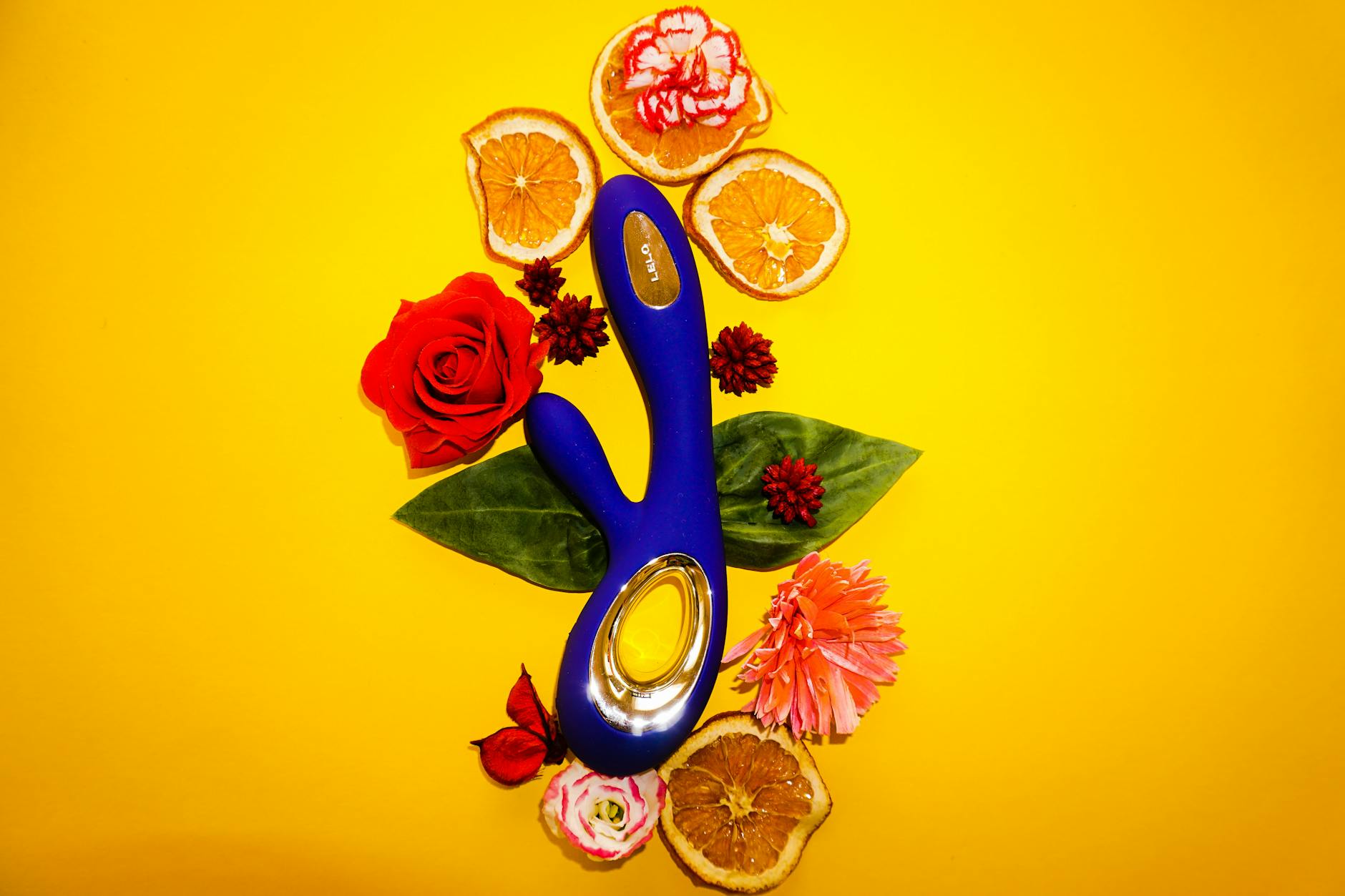
Now here's where it gets practical. A lemon clitoral vibrator changes the game for couples in early sobriety for one specific reason: it removes performance anxiety from the equation.
When your partner was drinking, sex might have revolved around penetration or manual stimulation—things that required their active participation and created pressure for them to "perform." Using a lemon vibrator shifts that dynamic. It's not about what your partner can do. It's about what works for your pleasure, period.
This does two things simultaneously. First, it gives your partner a clear role that doesn't require them to be in their body in a vulnerable way. They can hold you, they can touch your arm, they can watch your face. They're present without being the center of the mechanics. That's easier in early sobriety when emotional capacity is limited.
Second, it reintroduces pleasure into your body without the old scripts. You're not waiting for your partner to be aroused enough to move forward. You're not checking their energy or reading their mood. You're designing the experience for what your body needs.
The suction-based technology in lemon vibrators also works better for people who are anxious. The suction creates sensation that feels less intense than direct vibration, which means fewer surprises and more control. When your partner is in early recovery, knowing they can predict and control the experience helps them stay present instead of dissociating.
The actual framework: how to introduce this
Don't spring a vibrator on them during sex. Talk about it first, separate from the bedroom.
"I've been thinking about how we rebuild this part of us. I want something that takes pressure off you early on. A lemon vibrator could help with that because it focuses on my pleasure, and you get to be present without feeling like you have to do something specific. Would that feel okay to try?"
Listen to their response. If they seem resistant, don't push. Ask what that's about. Sometimes partners in early recovery worry that using toys means you don't want them anymore, or that you're settling. That's worth addressing directly. "This isn't about replacing you. It's about making room for both of us to learn what feels good when we're both sober and present. It's actually deeper intimacy, not less."
If they're on board, start small. The Lemon Vibrator comes in a couple of settings. Start at a low suction level, maybe 20-30 minutes of contact, nothing fancy. The point isn't to rush to orgasm. The point is to show your partner that pleasure exists in your body, and they get to witness it without managing it.
What happens during and after
Your partner might not touch you while you're using the vibrator. That's fine. They can sit next to you, hold your hand, or just be in the room. Presence is the variable that matters.
After, don't immediately debrief or analyze. Lie together. Let it be normal. Over time, they may want to touch you while the vibrator is working, or hold it, or ask questions. Let that unfold naturally.
You might also find that using a lemon vibrator together becomes a bridge to the kind of sex that's actually possible right now. Maybe it leads to manual contact. Maybe it leads to your partner being inside you. Maybe it stays as its own thing for a while. There's no hierarchy. Whatever deepens the connection is the right move.
The timeline you should expect
Early sobriety (first 90 days) is not the time for sexual performance to be the measure of progress. If you're just touching without penetration for a while, that's not deprivation. That's adaptation.
Many couples find that by month 3-4 of sobriety, with therapy happening in parallel, the sexual anxiety starts to loosen. By month 6, things often feel more natural. But this is not a universal timeline. Some couples need a year. Some need two.
Don't use the pace of sex as a metric for your partner's sobriety or your relationship's health. That's a trap. The metric is whether you're both showing up with honesty and whether trust is slowly being rebuilt. Sex follows that, not the other way around.
When to bring in a professional
If either of you has persistent sexual dysfunction that doesn't improve within a few months, see a sex therapist who specializes in recovery and relationship rebuilding. If your partner is struggling with shame around their body or sexuality in sobriety, that's also a therapy conversation. Shame is a relapse risk, and it's worth addressing.
If you're finding that you can't move past anger or betrayal, couples therapy is essential. You can't rebuild intimacy while resentment is still active. That's not a failure of your relationship. That's just the truth of how humans work.
A final honest thing
Your partner's sobriety is a victory, and so is your decision to rebuild with them. But this phase doesn't feel like a victory. It feels fragile and complicated and sometimes sad. That's accurate. It is those things.
Using a lemon vibrator during this time isn't a shortcut. It's a tool that acknowledges the actual complexity of where you both are. It honors that you both have limits right now. And it keeps pleasure on the table while everything else is being repaired.
You're not starting over. You're starting differently. That's harder, but it's also more real.
People also ask
Can using a lemon vibrator be triggering for someone newly sober?
It can be if the conversation isn't clear first. Some people in early recovery worry that using toys means losing control or that their partner is pulling away. But when you frame a lemon vibrator as a tool for rebuilding together—not a replacement for your partner—it actually becomes a reassurance. The key is transparency. Talk about it, ask questions, and go slow.
What if my partner feels inadequate using a lemon vibrator with me?
That's worth naming. Say something like: "I want this because it lets us both relax. You don't have to perform or fix anything. You just get to be here with me." Sometimes partners worry that toys mean they're not enough. That's a wound that usually goes deeper than the toy itself. Couples therapy can help unpack whether this is about sobriety anxiety or older insecurity.
How long should we wait after sobriety starts before reintroducing sex?
There's no magic number, but most therapists suggest waiting at least 4-6 weeks. The first 30 days are about stabilization. The next 30 days are about your partner building emotional capacity. By week 6-8, introducing touch and intimacy (even non-sexual) can feel grounded instead of reactive. Let your partner's therapist or sponsor weigh in too.
Is it normal for my partner to have erectile dysfunction even months into sobriety?
Completely normal. Alcohol-related sexual dysfunction can persist for 3-6 months or longer because it's both physiological and psychological. The body needs time to relearn its own signals. This is another reason why a lemon vibrator or clitoral vibrator can be helpful—it shifts focus away from penetration and toward pleasure that doesn't require a specific kind of arousal.
Can we use a lemon vibrator if my partner is in AA or a 12-step program?
There's nothing in any recovery program that prohibits consensual sexual intimacy or the tools you use for it. If your partner has a sponsor, they might mention that you're working on rebuilding intimacy. But this is between you and your partner. Recovery is about rebuilding honesty and integrity. Using a vibrator as part of conscious, honest reconnection fits that definition.
What if we try this and it doesn't help?
Then it's data. You'll know that the issue isn't the tool—it's something deeper. Maybe your partner needs more sobriety time. Maybe you need individual therapy to process anger. Maybe you both need couples work. A lemon vibrator is never the solution to every problem. It's one part of rebuilding. If it doesn't fit, move on to what does.
The bigger picture
Rebuilding intimacy after your partner's sobriety is one of the most tender, difficult things couples do. There's no way to make it easy. But you can make it honest, intentional, and grounded in what's actually true right now instead of what you wish were true.
A lemon vibrator fits into that picture because it acknowledges limits without accepting defeat. It says: we're both managing something big right now, and we're going to rebuild this together, on a timeline that makes sense for both of us.
That's not settling. That's wisdom.
If you're navigating this transition and want support beyond what you can figure out together, reach out. We offer resources and guidance for couples rebuilding connection during major life changes.
References & further reading:
- The Gottman Institute: Research on couples recovery and intimacy rebuilding
- SAMHSA resources on sexual health and substance use recovery
- Licensed Marriage and Family Therapy Association: Finding recovery-informed sex therapists