Major life stress doesn't just mess with your head. It floods your system with cortisol, shuts down your parasympathetic nervous system, and tells your brain that survival matters more than pleasure. Your sex drive doesn't disappear because you stopped wanting it. It disappears because your body is in a state of high alert, and that's actually protective.
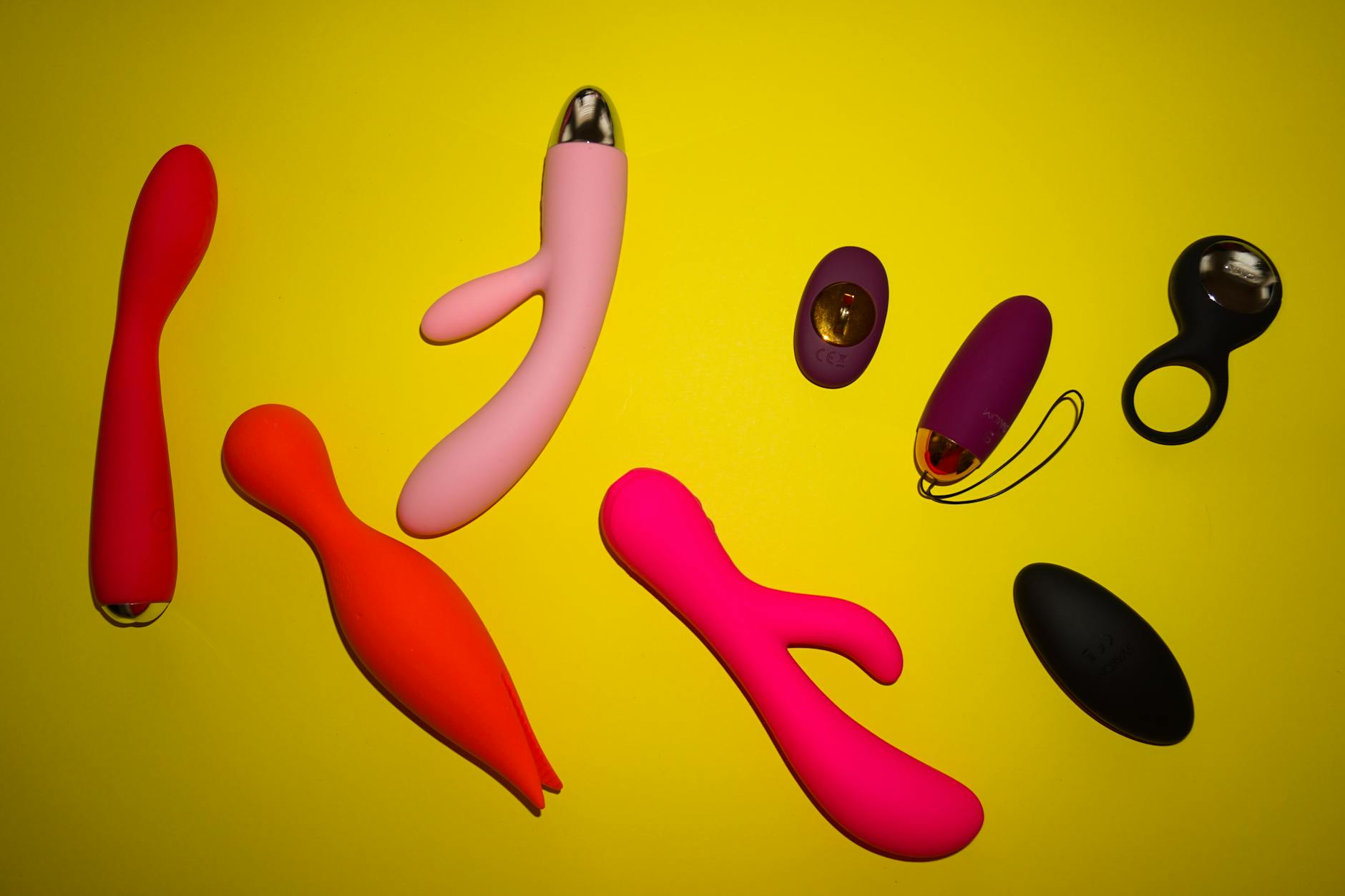
The problem is knowing how to rebuild it once the crisis passes. Most people wait for desire to magically return on its own. It often doesn't. What does work is gently reintroducing pleasure through low-pressure, high-sensation tools like lemon clitoral vibrators that skip the mental performance and go straight to physical response.
When you're managing a major life event, your nervous system prioritizes survival. Cortisol rises, oxytocin and dopamine dip, and the blood flow that normally rushes to your clitoris when aroused gets redirected to your muscles instead. This is why someone might feel disconnected from their body or unable to orgasm even when their partner is trying.
Here's what matters: this isn't a sign your desire is broken. It's a sign your nervous system is working overtime. The reconnection back to pleasure has to happen gradually, starting with your body, not your mind.
That's where clitoral vibrators like the Lem change the game. They bypass the need for mental arousal and activate your body's pleasure response through direct stimulation. When you're stressed, your nervous system is skeptical of sensation. A vibrator gives your body permission to feel something good without needing your brain to sign off first.
Most vibrators rely on speed or buzz intensity. When you're stressed, intense stimulation can actually feel intrusive. Your nervous system is already in overdrive. What you need is targeted, gentle pressure that gradually builds.
This is why suction-based lemon vibrators work differently. Instead of vibration against sensitive tissue, suction gently massages the clitoris from a broader surface, which creates sensation without aggression. Your nervous system reads it as safe. You can control the intensity by starting at a lower setting and working up only if you want to.
Many people find that during high-stress periods, they need 15-25 minutes of gentle stimulation before their body even remembers what pleasure feels like. That's normal. You're not broken. You're just in a different nervous system state.
When your libido tanks, the pressure to perform with a partner can actually make the problem worse. Instead of jumping straight to partnered sex, rebuild your relationship with pleasure on your own first.
Set aside 20-30 minutes when you're alone. Not because solo pleasure is "better," but because there's zero performance pressure. You're not trying to orgasm for anyone but yourself. You're not worried about timing or whether your partner is enjoying it. It's just you and your body relearning what feels good.
Start at a low intensity setting on your clitoral vibrator. The goal isn't orgasm. The goal is sensation. Notice what feels good. Notice where your body tightens or softens. After a few solo sessions, your nervous system starts to recognize pleasure as safe again. Then, when you do bring a partner back in, you're not starting from zero.
Once you've had a few solo sessions, bringing a lemon clitoral vibrator into partnered sex can rebuild intimacy without forcing desire. The key is framing it as expansion, not substitution.
Talk to your partner first. Say something like, "My stress has made my body feel disconnected. I want to use a vibrator during foreplay to help me get into my body. This isn't about you. This is about me rebuilding sensation." That honesty matters. It removes the assumption that your low libido is their fault.
Start with extended foreplay. You can also try having your partner use the vibrator on you during oral sex or manual stimulation. Many couples find that when one person is stressed, sharing control of a clitoral vibrator actually deepens connection because there's no performance expectation. You're both focused on sensation, not on achieving anything.
Rebuild takes time. Some people regain their baseline libido in 2-4 weeks. Others need 8-12 weeks of consistent gentle stimulation before their nervous system fully settles. Expecting instant arousal during high stress is like expecting to sleep deeply while your house is on fire. Your nervous system won't allow it until it feels safe again.
This is where most people quit. They use a lemon vibrator twice, don't orgasm immediately, and assume it's not working. The tool isn't the problem. Your timing is. You need to show up regularly, even if arousal is slow or orgasm is elusive.
Set a realistic goal for this phase. Maybe it's not orgasm. Maybe it's just 15 minutes of pleasurable sensation three times a week. Maybe it's noticing that your clitoris is becoming more sensitive again. Those are wins.
Sometimes major stress isn't a one-time event. You might be navigating ongoing work pressure, family crisis, or financial strain. In those cases, clitoral stimulation becomes less about rebuilding desire and more about creating small pockets of nervous system regulation throughout your week.
Five minutes with a lemon clitoral vibrator isn't going to fix chronic stress. But it does reset your nervous system for a few hours. It reminds your body that pleasure is still possible. It gives you a micro-break from survival mode. That matters more than you'd think.
Some people also find that during ongoing stress, they need a tool that's easy and quick. A handheld clitoral vibrator like the Lem is discreet, fast, and doesn't require elaborate setup. You can use it for 10-15 minutes on a lunch break or before bed, which fits into a stressful schedule better than extended foreplay.
You'll notice small signs before desire fully returns. You might catch yourself thinking about sex when you weren't before. You might feel a flutter of sensation when your partner touches you. You might actually want to masturbate instead of doing it out of obligation. Those micro-signals matter. They mean your nervous system is starting to feel safe again.
The return of desire is usually gradual, not sudden. One day you won't feel a dramatic shift. Instead, you'll look back at the last two weeks and realize you've thought about sex more often, or that orgasm felt more accessible. That's the signal you're moving back to baseline.
Once you're there, you don't have to abandon your lemon vibrator. Many people find that even after stress subsides, clitoral vibrators remain part of their pleasure toolkit because the sensation profile still works for their body.
Completely normal. Your body is doing what it's supposed to do. When your nervous system perceives threat, sexual arousal gets deprioritized. This isn't dysfunction. It's your body protecting you. The rebuilding process just takes patience and the right tools.
You don't need to wait for stress to fully resolve. You can start gently rebuilding while you're still managing the crisis. In fact, reconnecting to pleasure during stress can help regulate your nervous system, which actually helps you handle the stress better.
Only if you frame it that way. If you tell your partner, "I need a vibrator because you're not doing enough," that's a problem. If you say, "My body needs some extra support right now because of stress," that's just honesty. Most partners actually feel relieved to have a tool that helps. It removes pressure from them to be the sole source of arousal.
Orgasm isn't the goal during stress recovery. Sensation is. If you're feeling pleasure, noticing sensitivity building, or even just enjoying the break from your stress response, that's success. Some nervous systems need 8-12 weeks to fully reset. Give yourself that time.
Yes. You don't have to wait for the crisis to pass. Five or ten minutes with a vibrator can reset your nervous system enough to help you sleep better or approach the next day with more emotional capacity. It's a small regulation tool, not a cure.
If your partner's stress is tanking their libido, the approach is the same. Let them lead. Support them using a clitoral vibrator if they're interested, but don't push. Sometimes the greatest gift is allowing your partner to rebuild pleasure on their own timeline without pressure.
Stress eats desire. That's real. But desire isn't the only entry point back to pleasure. Physical sensation is. A lemon clitoral vibrator gives your body permission to feel good even when your mind hasn't caught up yet. Show up consistently, be patient with your nervous system, and trust that pleasure can come back online. It just needs time and the right support. If you're navigating relationship shifts alongside your stress, reaching out at /contact to talk through what you're experiencing can help too.