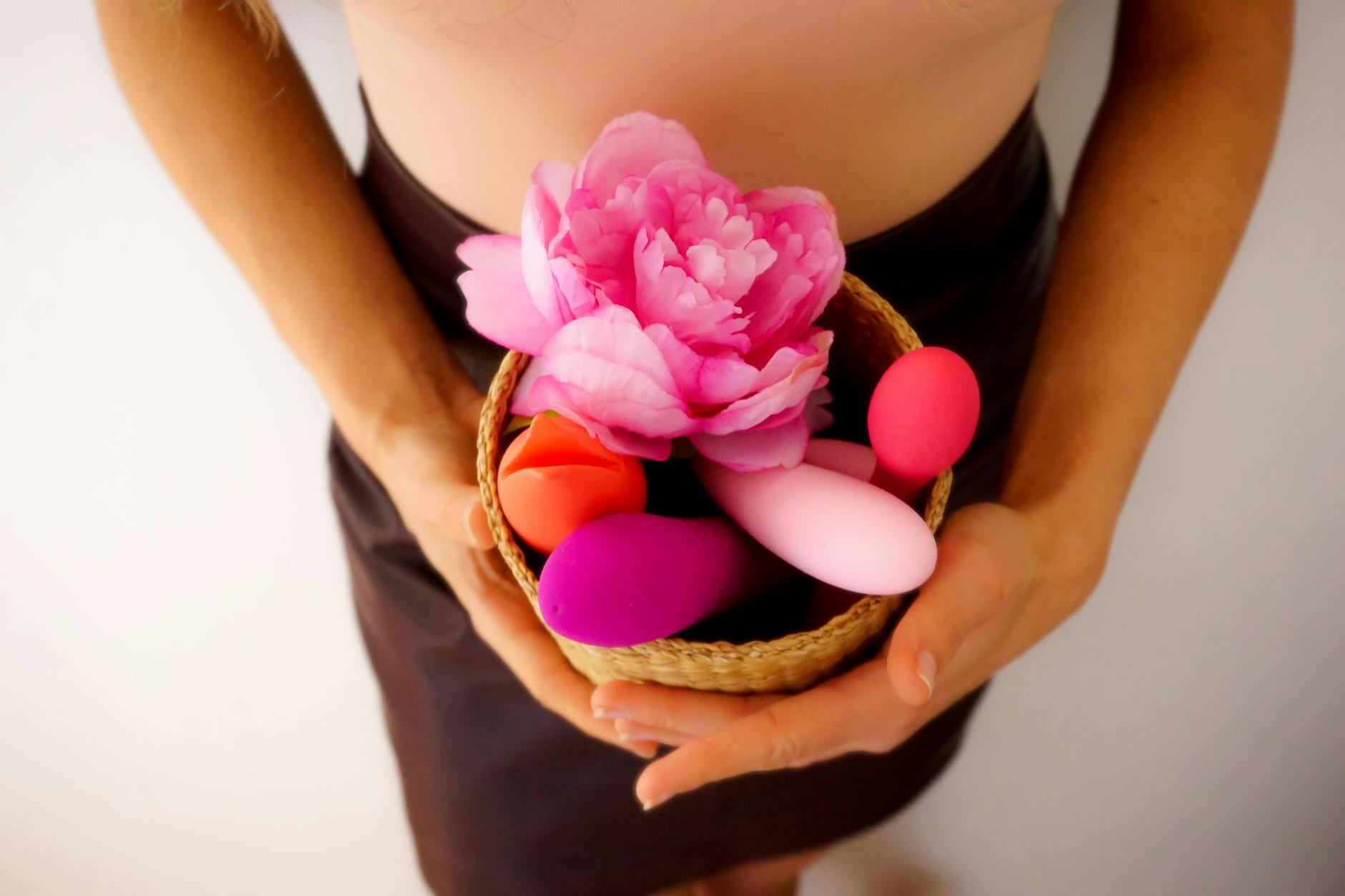
Let's talk about what actually happens
Vaginal atrophy is a real condition that affects roughly 30 percent of postmenopausal people. The medical term is genitourinary syndrome of menopause (GSM), and it's caused by one simple fact: estrogen plummets, and your vaginal tissue gets thinner, drier, and less elastic. But here's what most articles won't tell you plainly. This isn't a life sentence. It's manageable, and the right tools make a genuine difference.
I've worked with countless people navigating this transition, and the pattern I see most often is avoidance. Partner avoidance. Self-touch avoidance. Vibrator avoidance. The fear is that anything will hurt. But pain during intimacy isn't inevitable. It's a symptom of a mismatch between what your body needs and what you're using.
That's where lemon clitoral vibrators change the game.
Why traditional vibrators struggle with atrophied tissue
Most vibrators work by direct mechanical vibration. When you press a traditional vibrator against sensitive, thin tissue, that oscillating pressure can feel too intense, almost raw. The stimulation is direct and relentless. For someone experiencing atrophy, this often translates to discomfort rather than pleasure.
Add to that the reality of reduced lubrication. Natural lubrication doesn't just make things feel good. It creates a protective barrier between the toy and your tissue. Without it, friction increases. Sensation becomes sharp instead of pleasurable.
Then there's the psychological layer. If past attempts at penetration or vibration caused discomfort, your nervous system learns to brace. That tension actually makes tissue feel tighter and sensation feel harsher. You end up in a feedback loop where the anxiety itself creates the friction problem.
What makes suction different
Lemon vibrators and other clitoral suction toys work on a completely different principle. Instead of vibrating directly against tissue, they create gentle waves of suction and release. Think of it as a rhythmic massage rather than a buzzing sensation.
This matters physiologically. Suction stimulates the clitoris without requiring direct sustained contact. You can control the intensity by choosing your contact point. Light touch means gentle suction. Firmer contact means deeper stimulation. The user is always in control of pressure.
For people with atrophied tissue, this is transformative. You get stimulation without friction. The Lem vibrator, for example, uses air-pulsing technology specifically designed around this principle. The suction pattern feels softer, more diffuse, and requires minimal direct tissue contact. It's particularly effective because it focuses on the clitoral area without needing the kind of surface-to-surface friction that causes irritation.
The sensation recovery piece
Atrophy doesn't just change texture. It changes sensation itself. Thinner tissue has different nerve density, and blood flow to the area decreases with lower estrogen. Many people report that after menopause, clitoral sensation feels duller or harder to access.
But here's the clinical reality I see repeatedly: that's not permanent numbness. It's reduced blood flow and thinner tissue layering. The nerves are there. They're just being stimulated differently than they were at higher estrogen levels.
Suction-based toys work with this reality rather than against it. The gentle negative pressure actually increases blood flow to the clitoral area. Over time, with consistent use, sensation often improves. People report that their clitoris becomes more responsive, more capable of sustained arousal.
I had a client in her late 50s who believed she'd lost the ability to orgasm. She'd tried traditional vibrators post-menopause and found them painful. When she switched to a suction-based lemon vibrator, within three sessions she was experiencing stronger, more reliable orgasms than she'd had in years. The difference wasn't about force. It was about the mechanism.
Lubrication, tissue protection, and the right products
Whether you're using a lemon clitoral vibrator or any other toy, lubrication becomes non-negotiable with atrophied tissue. But not all lubricants serve the same purpose.
Water-based lubricants are the standard recommendation because they're compatible with silicone toys and feel natural. But for atrophy specifically, you might want to consider a slightly thicker option that sits on the tissue longer. Hyaluronic acid-based lubes are worth exploring because they mimic the body's natural hydrating mechanism.
Some people also benefit from vaginal moisturizers used separately from sexual activity. Products with hyaluronic acid or plant oils can help with overall vaginal health between intimate moments. Using a moisturizer 2-3 times per week, plus lubrication during activity, often solves the dryness piece entirely.
One more thing: warm water before intimate time actually helps. A warm shower or bath increases blood flow and makes tissue more supple. Combined with adequate lubrication and a gentle toy like a lemon vibrator, this creates an environment where sensation can actually improve rather than hurt.
The hormonal treatment conversation
I want to be direct about this. If atrophy is severe, topical vaginal estrogen creams can be genuinely life-changing. These aren't systemic hormone therapy. The estrogen is localized to the vaginal area, and absorption into the bloodstream is minimal. Most gynecologists trained in menopause care can prescribe these, and they work.
But here's what I see happen most often: people try topical estrogen, feel improvement, then worry about long-term use and stop. Or they use it inconsistently. The truth is that topical estrogen works best with consistent application, usually 2-3 times weekly after the initial treatment phase.
A practical approach for many people is combining topical estrogen (if appropriate for your health situation) with mechanical tools like a lemon clitoral vibrator. The estrogen restores some tissue thickness and elasticity. The suction toy provides gentle, controllable stimulation. Together, they address both the tissue health and the sensation piece.
If hormone therapy isn't right for you, the suction approach becomes even more valuable. It offers real sensation and pleasure without requiring tissue to be thicker or more elastic than it naturally is.
Rebuilding pleasure with a partner
If you're navigating atrophy within a partnered relationship, this is a separate conversation worth having. Atrophy is a physical reality, not a reflection of desire or attraction. But the emotional weight of painful intercourse often gets attached to the relationship anyway.
Using a lemon vibrator during partnered intimacy can actually help. Some people find that their partner stimulating them with a suction toy while engaging in other forms of touch creates a bridge back to full intimacy. The toy removes the pressure for one specific type of stimulation to feel good, which paradoxically makes the whole experience feel better.
This requires explicit conversation beforehand. Not during the moment. Before clothes come off, ideally before you're even in the bedroom. Something like: "I want to try a different approach to make things feel better. Here's what I'm thinking." Then you're collaborating rather than problem-solving in crisis mode.
FAQ
Can I use a lemon clitoral vibrator if I have severe vaginal atrophy?
Yes, but start slowly. Suction-based toys like lemon vibrators are gentler on delicate tissue than traditional vibrators, but severe atrophy may still require topical estrogen treatment or other medical intervention first. Talk to your gynecologist or a menopause-trained GP. They can assess tissue health and recommend a combined approach if needed. Many people use a lemon vibrator successfully even with moderate atrophy, especially with adequate lubrication and warm-up time.
How long does it take to see improvement in sensation?
Sensation improvements typically appear within 3-6 weeks of consistent use, assuming you're using the toy 2-3 times per week. Blood flow increases gradually, and your nervous system begins recognizing the stimulation pattern. Some people feel improvement within days. Others take longer. Patience matters here because the goal is sustainable pleasure, not immediate intensity.
Is water-based lubricant enough, or do I need something thicker?
Water-based lubricant works fine for most people, especially with suction-based toys that don't rely on surface friction. If you find yourself needing frequent reapplication, a thicker lube like a hyaluronic acid option might feel better. Avoid silicone-based lubes with silicone toys because they can degrade the material. Experiment to find what feels comfortable. There's no universal right answer.
Can lemon vibrators help with pain during penetration?
Lemon vibrators and clitoral suction toys don't directly address penetration pain because they stimulate the external clitoral area, not the vaginal canal. However, if atrophy-related pain is killing your arousal or comfort, using a toy to increase blood flow and sensation beforehand sometimes helps. For actual penetrative pain related to atrophy, talk to your doctor about topical treatments or dilators designed specifically for that concern.
Should I use a lemon vibrator daily if I have atrophy?
Daily use is safe if it feels good, but 3-4 times per week is often more sustainable and effective. The goal is consistent stimulation over time, not intensity or frequency. Overuse can lead to temporary numbness if you push too hard. Listen to your body. If sensation feels duller after a session, take a day off. Your clitoris adapts to consistent, moderate stimulation better than it does to intense daily use.
Will topical estrogen cream make a lemon vibrator unnecessary?
No. Topical estrogen restores some tissue thickness and elasticity, which is valuable. But it doesn't directly increase sensation or blood flow the way gentle mechanical stimulation does. Many people find that combining topical estrogen with regular use of a lemon vibrator creates the best outcome. You're addressing both tissue health and sensation at the same time.
The bottom line
Vaginal atrophy is common and treatable. It's not a sign that your sexual life is over. It's a signal that your body needs a different approach. Lemon clitoral vibrators and suction-based toys align with that reality in ways traditional vibrators often don't.
Start with lubrication, be patient with sensation recovery, and if pain persists, loop in your doctor. A combination of topical treatments, the right mechanical tools, and clear communication with yourself and your partner can restore pleasure to a level many people thought was gone forever. Your body is adaptable. Give it the right conditions, and it will surprise you.