Why Lemon Vibrators Feel Better After Menopause: Clitoral Changes Explained
Let's be real. You've probably heard that menopause kills your sex life. That everything dries up, sensation flatlines, and you should just accept that your best years are behind you. Here's the thing: that's not what I see in my practice, and it's not what the research shows either.
What actually happens is more interesting. Your clitoris does change post-menopause. But change doesn't mean worse. For many people, it means different in ways that can actually unlock more intense orgasms than they've ever experienced.
How estrogen shapes your clitoris
Your clitoris is a hormone-responsive organ. When estrogen levels are high and cycling (which they do throughout your reproductive years), your clitoral tissue stays thick, vascular, and highly responsive to traditional vibration. The erectile tissue fills with blood quickly. Stimulation builds fast.
When estrogen drops at menopause, that tissue thins. The clitoral shaft becomes less engorged. What used to feel like a firm button can start to feel more delicate, even slightly numb if you're used to rough handling.
Here's the plot twist: thinner tissue is more sensitive, not less. It's not the same as numbing. It's like the difference between a thick winter coat and a silk slip. The silk picks up every vibration. The coat absorbs some of it.
Why suction works differently post-menopause
This is where lemon vibrators change the game. Suction-based clitoral stimulation (like the Lem's air-pulse technology) doesn't rely on direct friction or vibration to build sensation. It works by creating rhythmic pressure waves that stimulate the entire clitoral network, including the internal parts that extend deep into your body.
When your clitoral tissue is thinner, suction hits harder because there's less material to absorb the pulse. The sensation becomes more direct, more concentrated. Many of my clients describe it as finally being able to feel what they've been chasing for years.
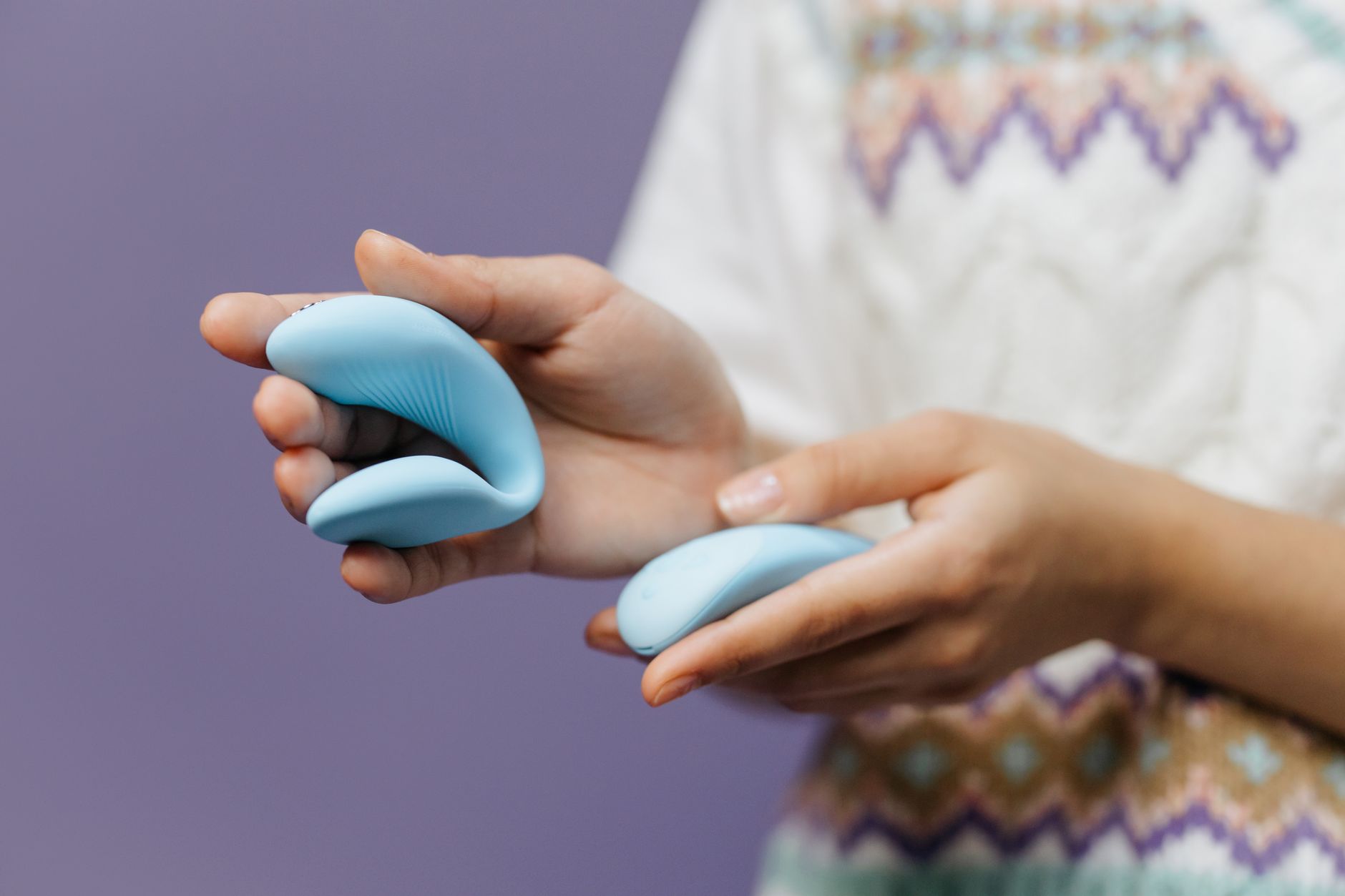
Photo by cottonbro studio on Pexels
This is the opposite of traditional vibrators, which can actually feel less satisfying post-menopause because the thinned tissue can become irritated with constant friction. You need longer warm-up. You might need more lube. The intensity ceiling is lower.
With a lemon clitoral vibrator, the suction mechanism creates stimulation without friction. It's a completely different circuit in your nervous system firing up.
The arousal response actually improves
One thing I hear repeatedly from post-menopausal clients: "The arousal takes longer to start, but once it does, it's way more intense than it used to be."
This isn't coincidence. Here's what's happening physically. Your brain still has all the neural pathways for pleasure. Your clitoris still has the same nerve density. What changes is the priming mechanism. Without estrogen's continuous circulation, your body doesn't have that baseline readiness.
But once you cross that threshold, the response becomes more localized and concentrated. You're not dealing with systemic hormonal noise. You're dealing with pure, direct clitoral sensation.
Most people report that once they reach plateau during arousal, the intensity rivals or exceeds anything from their 30s. The orgasm itself often feels sharper, more focused, sometimes full-body in new ways.
Tissue health actually matters here
One detail that gets buried: menopause doesn't automatically mean your clitoral tissue gets unhealthy. What it does mean is that the tissue needs different support.
Water-based lubricant becomes non-negotiable. Not because you're broken, but because the reduced mucous production means lubrication is thinner. A good lube protects the tissue and helps sensation transmit more effectively.
Consistent use of a device like a lemon clitoral vibrator also keeps tissue healthy. Regular blood flow and nerve stimulation maintain the tissue's responsiveness. This is documented in pelvic health literature: people who continue sexual activity post-menopause often have better clitoral sensitivity long-term than those who become inactive.
The psychological part hits different too
Here's something most sex therapists won't tell you because it sounds trite: the absence of fertility anxiety changes everything.
When you're pre-menopausal, part of your nervous system is always tracking the possibility of pregnancy. Contraception reduces that, but it doesn't eliminate the deep biological hum. Post-menopause, that signal goes silent.
Your body can relax into pleasure without a single thread of reproductive concern. You're not worried about timing, protection, or pregnancy. That mental clarity alone can unlock sensations you couldn't access before.
Adding a device like the Lem to this mental clarity often produces something people describe as a breakthrough. They can focus entirely on sensation without distraction.
Starting fresh with lemon vibrators post-menopause
If you're newly menopausal and considering a lemon vibrator, a few practical notes.
Start with lower intensity settings. Patterns 1 and 2 should be your entry points. Your newly sensitive tissue doesn't need maximum suction right away. Build from there.
Warm up longer than you used to. Budget 15-25 minutes for arousal to build, rather than 5-10. This is normal and healthy, not a sign of dysfunction.
Use water-based lube every single time. Not occasionally. Every time. This isn't vanity. It's tissue care.
Consider timing. Some people find that using lemon vibrators in the morning (when cortisol is higher and anxiety is lower) produces better results than evening use. Others prefer afternoon. Pay attention to when your body responds best.
When to check with a specialist
If clitoral sensation completely disappears despite regular use of devices, or if pleasure-seeking becomes painful, talk to a menopause-trained gynecologist. Genitourinary syndrome of menopause (GSM) is real and treatable. Topical estrogen can restore some tissue thickness without systemic absorption.
If you're on medications that reduce arousal, and a lemon vibrator isn't bridging the gap, testosterone therapy is worth discussing with your provider. It's more conservatively prescribed in the US, but it's available.
Most often though, people simply need permission to explore differently. The equipment changes. The timeline changes. The sensation changes. That's not loss. That's evolution.
What people actually report
After decades in practice, I've worked with hundreds of post-menopausal people exploring pleasure with new tools. The pattern is consistent:
Weeks 1-2 with a lemon clitoral vibrator often feel underwhelming. "Is this working?" is the most common question.
Weeks 3-4, something shifts. The nervous system recognizes this new stimulus pattern. Sensitivity increases. People start adjusting settings and duration.
Month 2, most people hit a point where they say: "Oh. This is better than what I had before." Not metaphorically better. Actually, noticeably more intense.
Month 3 and beyond, it becomes their preferred method by a wide margin.
This isn't marketing speak. This is what people voluntarily report when they're not trying to be polite or self-protective.
The bigger picture
Menopause isn't the beginning of your decline. It's the middle of your life, and in many ways, the most sexually liberated chapter you'll experience.
Your clitoris is not broken. It's not dying. It's adapting. And the right tool for that adapted physiology can feel revelatory.
If you've been approaching post-menopausal pleasure with dread or resignation, this is permission to approach it with curiosity instead. Your body has changed. That change unlocks different kinds of sensation. A lemon clitoral vibrator is specifically designed to work with that new physiology, not against it.
Your pleasure matters. And it might be better than it's ever been. You just need to meet your body where it actually is.
People also ask
Can you use a lemon vibrator immediately after menopause starts?
Yes, but your timing and approach might shift. During perimenopause (the 5-10 years leading to your final period), hormones are still fluctuating. Some cycles you might feel highly responsive. Other cycles, less so. Lemon vibrators are actually excellent during this time because they don't rely on baseline arousal the way traditional vibrators do. Start on lower settings and build up. Listen to your body's cues each session, because they'll vary.
Does sensation always come back after menopause?
Sensation doesn't go anywhere. Responsiveness changes, which is different. With the right stimulus (like suction-based stimulation), most people report equal or greater sensation post-menopause compared to their reproductive years. If sensation is completely absent after several months of consistent use, that warrants a conversation with your doctor. Thyroid issues, medication side effects, or other health factors sometimes mask themselves as menopausal changes.
Is it normal for arousal to take longer after menopause?
Completely normal. This is one of the most consistent findings in menopause research. Arousal takes longer to initiate, but the intensity often increases once it starts. It's like a slower burn with a higher peak. Some people prefer this, actually. It forces a slower, more intentional approach to pleasure, which many describe as more satisfying than quick arousal.
Will lemon vibrators work if I'm on hormone replacement therapy?
Absolutely. HRT doesn't erase the benefits of suction-based stimulation. If anything, it can amplify them because the tissue is thicker and more responsive. Some people on HRT find that sensation is even more intense with a lemon vibrator than with traditional vibration. You're not replacing HRT by using a different device. You're just choosing a method that works better with your current physiology.
Can you use lemon vibrators alongside other pleasure tools?
Yes. Some people like to use a lemon vibrator for clitoral pleasure and a separate device for internal stimulation. Others prefer to focus on clitoral sensation alone post-menopause (which is extremely valid). There's no rule. Your pleasure is the only metric that matters.
What's the difference between a lemon vibrator and a traditional clitoral vibrator for menopausal bodies?
Traditional vibrators use continuous or rhythmic vibration, which relies on friction and requires responsive, well-lubricated tissue. Lemon vibrators use suction, which creates pressure waves and works effectively even with thinner tissue and less natural lubrication. For post-menopausal bodies, suction usually feels more intense and satisfying because it doesn't depend on the tissue thickness or arousal readiness that traditional vibration requires. Your clitoris responds to the pressure change, not the friction.
If you're navigating pleasure after menopause and want to explore what works for your body, you don't have to figure this out alone. Reach out to get support tailored to your needs.