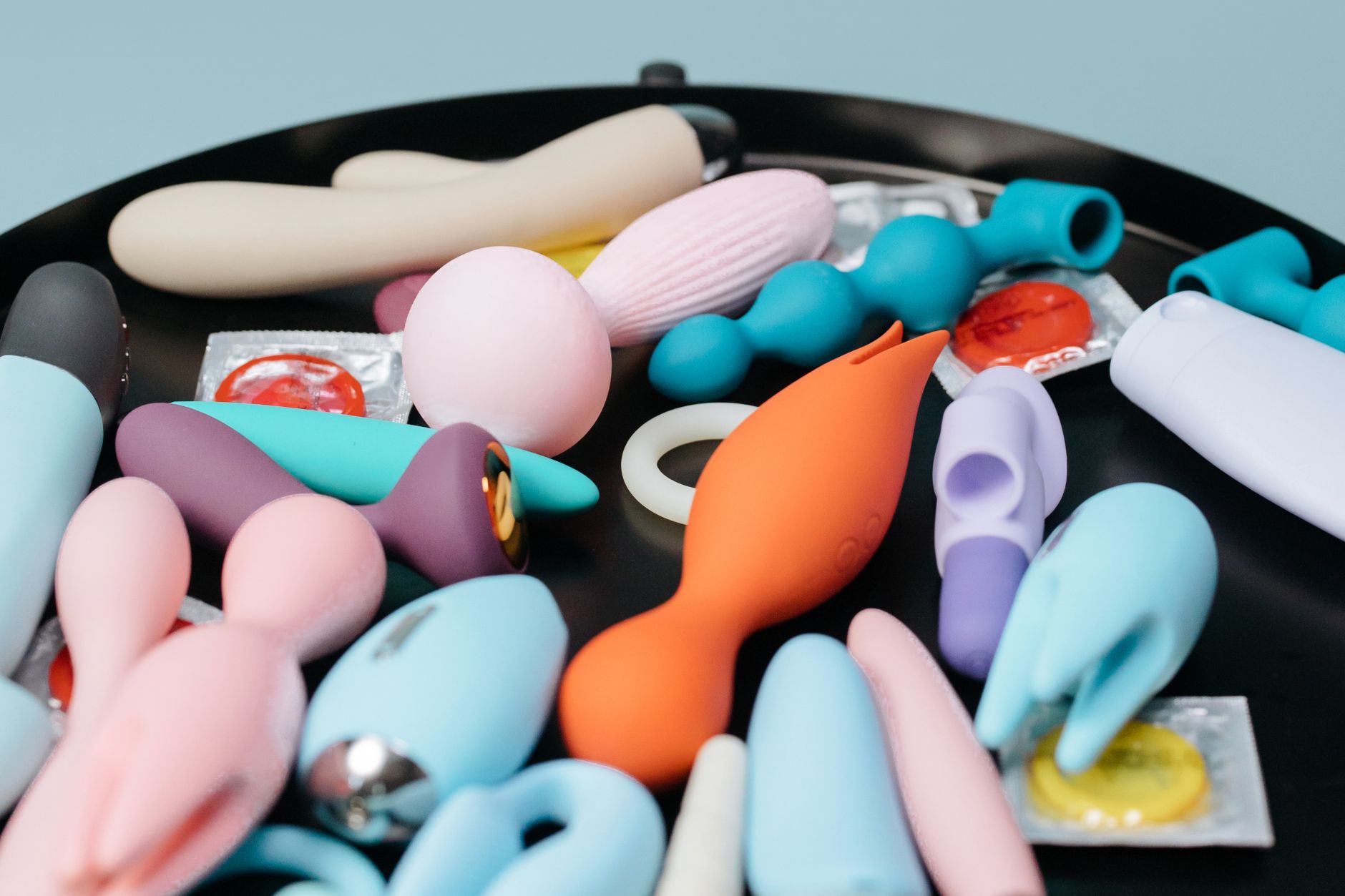
Let's be real about what stress does to your body
When you're in crisis mode, pleasure stops being a priority. Your brain literally deprioritizes it. That's not weakness, not low desire, not something wrong with you. That's your nervous system doing exactly what it evolved to do: shut down "unnecessary" functions so you can survive.
But here's what nobody explains: that shutdown doesn't just affect arousal. It affects your ability to feel pleasure anywhere. Your body becomes guarded. Touch feels flat. Sensation gets muffled. Even devices like lemon vibrators, which normally work reliably for most people, might feel underwhelming or even irritating. And that often triggers shame, which makes everything worse.
I've worked with dozens of clients in this space, and the pattern is consistent. After a major life stress, people expect their bodies to respond normally. When they don't, they assume something is broken. The truth is more complex, more reversible, and more hopeful than that.
What actually happens in your nervous system during crisis
Your autonomic nervous system has three gears: rest and digest, mobilize, and freeze. Pleasure lives in the rest-and-digest gear. Chronic stress locks you into mobilize and freeze. Your body floods with cortisol and adrenaline. Blood pools in your core and limbs, ready to fight or run. Blood flow to your genitals drops. The tissues that depend on arousal become less responsive. This isn't metaphorical. It's vascular.
At the same time, your brain's threat-detection center gets hyperactive. The amygdala is constantly scanning. Even in safe moments, your body is half-convinced danger is still present. That vigilance is incompatible with the kind of surrender pleasure requires. You can't relax into sensation when your nervous system is running a background security scan.
After major grief or trauma, this state can persist for weeks or months. Your logical brain knows the crisis has passed. Your body doesn't yet. And because pleasure and arousal require genuine safety signals, not just intellectual understanding, lemon vibrators and other tools might feel less effective than they did before.
The timeline of nervous system recovery
Three phases matter here.
Phase one: acute shutdown (first 2-4 weeks). Your body is in survival mode. Sensation is numbed by design. You might feel disconnected from your body entirely. This is when trying to use a lemon clitoral vibrator feels pointless or even wrong. Listen to that. Your body is asking for something different right now.
Phase two: gradual reactivation (weeks 4-12). Slowly, your nervous system starts settling. You begin noticing sensation again. Lemon vibrators might start feeling like something again, but the response will be slower and lighter than before. This is the frustrating middle. Your body is healing, but you're acutely aware of the difference between now and how things used to be.
Phase three: reconnection and deepening (month 3 onward). Your body begins remembering arousal. The full-body responsiveness returns gradually. This is where lemon sexual toys and other adult toys become useful tools again, often with a deeper, more intentional quality than before.
The timeline is not linear, and everyone's timeline is different. Grief has its own pace.
Why lemon vibrators specifically take longer after stress
Lemon clitoral vibrators work through suction and precision stimulation. They bypass a lot of the preamble that traditional vibrators require. That's why they're so effective for most people most of the time. But after major stress, that precision actually works against you.
When your nervous system is activated, you're hypersensitive to intensity. Suction that felt perfect last month might feel like too much now. Your tissues are less vascularized, so the suction doesn't have as much blood flow to work with. And because you're not in a relaxed parasympathetic state, the intensity can feel jarring instead of pleasurable.
This is also why some clients report feeling nothing at all. It's not that the lemon vibrator is broken. It's that your entire nervous system is in a different operating mode. Signal transmission is disrupted at a basic level. Pleasure requires a baseline of safety and relaxation that trauma or grief temporarily removes.
What actually helps during this time
Four things I recommend to clients navigating this transition.
Start with gentler touch. Hands, soft textiles, light massage on non-genital areas first. Your nervous system needs to remember that touch is safe before it can move into arousal. Lemon sexual toys can wait.
Separate pleasure from performance. Stop expecting your body to work the way it used to. This is when solo exploration beats partnered sex, because there's no expectation, no performance pressure, no one else's timeline. It's just you, your body, and time.
Use lower settings and longer warm-up time. When you do return to your lemon vibrator or other adult toys, start at pattern one. Budget 30 minutes instead of 15. Your nervous system needs time to downshift from vigilance to openness.
Work with your breath. This is the single most useful tool I teach. Slow, deep breathing (particularly extending the exhale) signals safety to your nervous system. It shifts the autonomic balance toward parasympathetic activation. Five minutes of intentional breathing before attempting pleasure makes a measurable difference.
The grief component that changes everything
If the stress is grief specifically, there's another layer. Pleasure can feel like betrayal when someone has died or when a major loss has occurred. Your body might be protecting you from that guilt by shutting down arousal. That's not something a lemon clitoral vibrator can override. That's something that needs conversation, grief work, maybe therapy.
I had a client whose partner died suddenly. Six months later, she tried her favorite lem vibrator and felt nothing. The grief was the problem, not the device. We spent several sessions talking through the guilt of pleasure without him. Only after she processed that intellectually did her body's arousal response begin returning. The vibrator worked again, but only because the underlying psychological safety had been restored.
When to see a therapist or your doctor
If three months have passed and you still feel completely disconnected from pleasure or sensation, talk to someone. Chronic stress-related sexual dysfunction is real and treatable. EMDR therapy, somatic experiencing, or even standard trauma-focused therapy can help reset your nervous system. Some people benefit from a short course of anti-anxiety medication during the recovery window.
If numbness is paired with depression or persistent anxiety, that's especially important. Arousal and pleasure are also diagnostic windows into nervous system health. A good therapist or sex therapist can help you understand whether you're in normal grief recovery or whether something else is happening.
The hopeful part
Most people's arousal returns fully. Some people report that their pleasure is richer after recovery because they've learned to be more intentional about it. The forced slowdown becomes an opportunity to rebuild from scratch, without old patterns or assumptions.
Your body is not broken. It's doing exactly what it's supposed to do in the face of crisis. Lemon vibrators, lemon clitoral vibrators, and other sexual tools will work again. But they work best when paired with nervous system healing, not as a replacement for it. Be patient with yourself. Your body will remember how to feel good.
FAQ: Stress, pleasure, and getting back on track
How long does it typically take for sexual sensation to return after major stress or trauma?
Most people notice gradual improvement within 4 to 8 weeks, with fuller recovery often taking 3 to 6 months. This varies widely based on the severity of the stressor, your support system, and whether you're actively working on nervous system regulation. Some people bounce back faster. Some take longer. Both are normal.
Can I use a lemon vibrator during the acute stress phase, or should I wait?
Wait. Or use it very differently than usual. If you do want to try, use the lowest setting in short sessions just to see if sensation is there. But don't push it. Your nervous system is asking for rest, not stimulation. Pleasure will be available again once you're more regulated.
Does grief affect arousal differently than other kinds of stress like job loss or financial crisis?
Yes and no. All major stressors activate the same nervous system shutdown. But grief has an added layer: guilt about feeling pleasure or moving forward. That emotional component can prolong the arousal shutdown even after the acute stress begins to fade. That's why processing the grief, not just waiting it out, matters.
Should I talk to my partner about why lemon vibrators or other toys aren't working right now?
Absolutely. Explain it in nervous system terms, not blame terms. "My body is in protection mode right now. That's not about you or about us. I need some time and gentleness while I regulate." Most partners understand better when they know it's not rejection.
Can therapy actually speed up the return of sexual sensation?
Yes. Trauma-informed therapy, somatic work, and EMDR can all help your nervous system come out of protection mode faster. Therapy doesn't bypass the timeline, but it can help you move through it more intentionally and with better tools.
What's the difference between "normal stress recovery" and needing professional help?
If you're also experiencing persistent sadness, inability to concentrate, changes in sleep beyond the acute crisis period, or intrusive thoughts, talk to a therapist. These often accompany prolonged arousal shutdown. A professional can help you determine whether what you're experiencing is normal grief recovery or depression that needs treatment. Both are treatable. Both are worth taking seriously.