
Let's start with what nobody tells you
Postpartum sex advice usually goes one of two ways. Either someone tells you to wait six weeks and then jump back in like nothing happened. Or they don't mention it at all, leaving you to figure out what feels normal when nothing actually feels like it did before.
Here's what's actually happening in your body after birth: your pelvic floor is bruised, stretched, and angry. Your tissues have thinned from hormonal shifts. Sensation feels muted in some places and hypersensitive in others. And then everyone expects you to want to have sex again while you're leaking, exhausted, and your breasts hurt.
There's a reason so many people lose interest in sex postpartum. Your body literally changed. The trick is figuring out how to rebuild pleasure in a way that feels good on the new you.
What actually changes in the tissue
Whether you delivered vaginally or had a cesarean, your body went through massive hormonal and physical disruption. Here are the specifics that matter for pleasure:
Vaginal tissue becomes thinner and less elastic when estrogen drops after birth. This is especially true if you're breastfeeding, because lactation suppresses estrogen even more. The tissue also loses some of its natural lubrication capacity. That's not a defect. That's biology adapting to milk production and postpartum healing.
The pelvic floor muscles are either stretched (vaginal delivery) or have lost neurological feedback (cesarean), or both. They're tight and protective. Your body is literally guarding that area because it's still healing. Trying to force relaxation through traditional vibration often backfires because it adds stimulation to tissue that's already defensive.
Clitoral sensation can feel dull at first because the nerve endings are recalibrating after birth. You might feel less responsive to direct touch. This usually shifts back within a few months, but in the meantime, a toy that works by a different mechanism can be transformative.
Why suction changes the game
This is where lemon vibrators and clitoral suction toys come in. Unlike traditional vibrators, which use rapid back-and-forth movement, a lemon clitoral vibrator uses gentle suction and pulsing patterns. The mechanism is completely different, which means the sensation is completely different.
On postpartum tissue, direct vibration can feel raw or overstimulating. Suction creates pressure that builds sensation gradually instead of assaulting sensitive nerve endings. It's the difference between someone tapping your arm really fast and someone gently squeezing your hand. Both create stimulation, but one respects the nervous system's current state and the other doesn't.
A lemon sucker toy also distributes sensation across a slightly wider area instead of concentrating it in one point. This is especially helpful for the clitoris postpartum because the tissue needs gentler engagement as it recovers. The sensation builds from the inside out rather than pulsing from the outside in.
Many people find that a toy like the Lem vibrator actually reawakens sensation that felt numb. By using a completely different stimulation pattern, it recruits nerve pathways that direct vibration wasn't touching. That's not magic. That's neurology.
The pelvic floor thing nobody wants to talk about
Your pelvic floor is basically locked down postpartum. It's a protective reflex. The muscles tighten to prevent further stretching and to hold things in place while everything heals. This is functional and necessary. But it also makes pleasure harder to access because a tight pelvic floor literally restricts blood flow and nerve response.
Trying to do kegels when everything still hurts is the wrong move. What actually works is learning to relax the pelvic floor first. This is counterintuitive because you've spent the last six weeks clenching for dear life. But paradoxically, you have to relax it to rebuild sensation and orgasm capacity.
Here's why a lemon vibrator helps with this specific problem. The gradual pressure of suction can actually coax the pelvic floor muscles to release instead of clench. It's not forcing relaxation. It's using a sensation that the nervous system recognizes as safe and non-threatening. Traditional vibration sometimes triggers more clenching because it feels like an invasion to tissue that's still defensive.
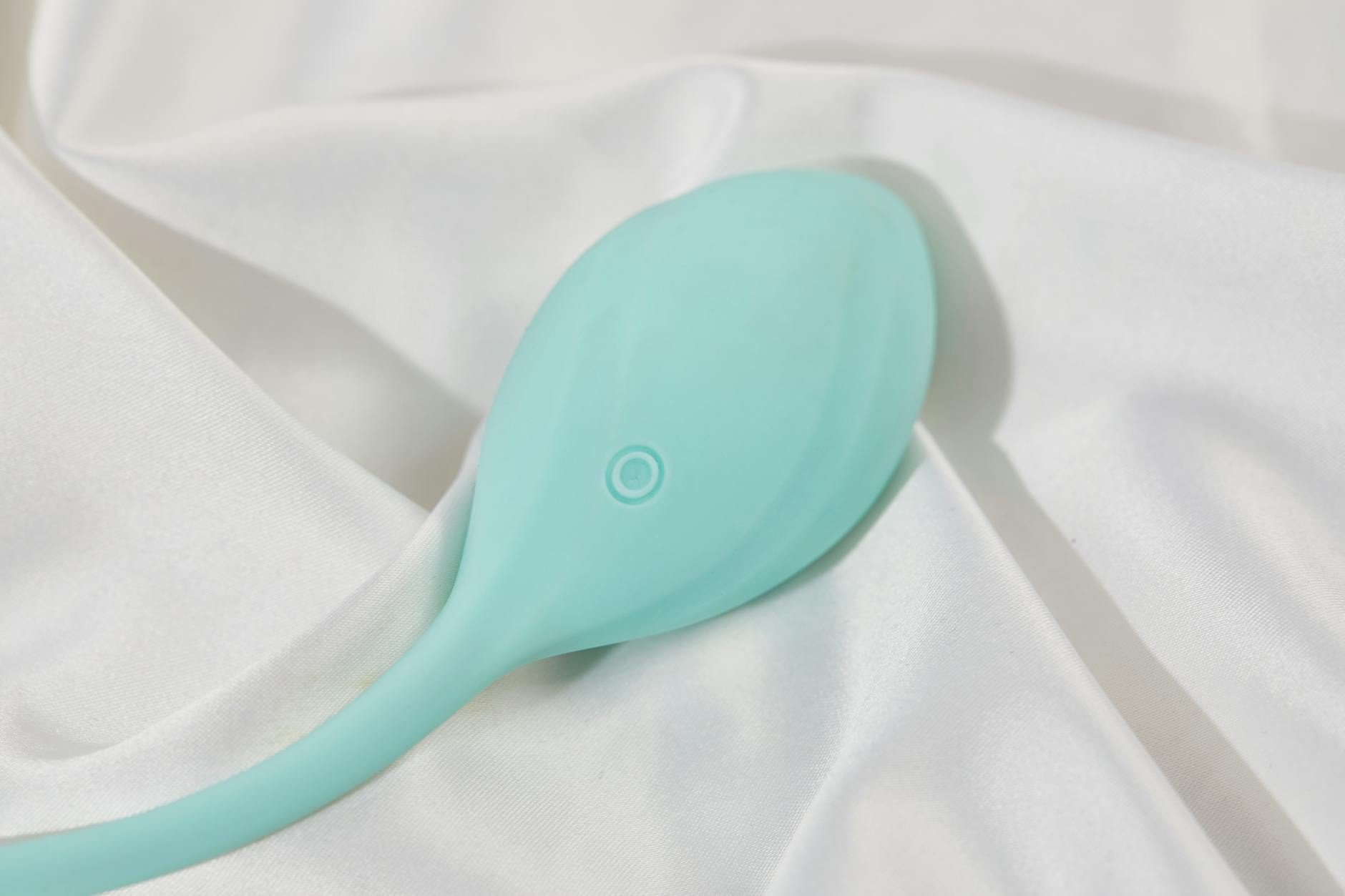
Photo by IFONNX Toys on Pexels
The timeline of when to restart
Physically, six weeks is when most people are cleared to have sex again. Realistically, your nervous system often needs longer. This isn't a failure. This is normal.
Weeks 6-8 postpartum: If you want to explore solo pleasure, this is a good window to try something that feels completely different from before. Solo exploration using a lemon clitoral vibrator or suction toy can help you map what's changed and what still works. There's no pressure, no performance, and no timeline.
Weeks 8-12 postpartum: Sensation often starts returning around this point. Many people find this is when a suction-based toy starts to feel genuinely good instead of just tolerable. The pelvic floor starts releasing its death grip a little bit.
Months 3-6 postpartum: This is when a lot of people report their first orgasm since birth. Hormones have stabilized slightly. The tissue has healed more. And you've had time to figure out what your body actually wants now.
The key is listening to your body instead of forcing a timeline. Some people are ready at six weeks. Some need six months. Both are completely normal.
How to actually rebuild pleasure
Start slow. Set aside 10 minutes. Use a water-based lubricant even if you don't think you need it. Postpartum tissue benefits from it regardless of your arousal level. Begin with the lowest setting on whatever toy you choose. Your nervous system has been through trauma. It needs gentleness first.
Focus on sensation instead of outcome. The goal is not to orgasm. The goal is to remember that your body can still feel good. Orgasm will come back. Right now, just feeling something other than pain or numbness is the win.
If you're partnered, let them know you're exploring. You don't need them present. You might want to be alone. But your partner should know this is happening so there's no surprise or weird energy around it. Communication about sex is easier when you're not trying to perform.
Consider a toy specifically designed for postpartum bodies. A lemon vibrator and other clitoral suction toys are built with the understanding that tissues are more delicate and sensation pathways are recalibrating. That's not just marketing. That's the actual biomechanics of postpartum recovery.
The emotional piece
Here's something nobody mentions in the physical recovery guides. Your relationship with your body has changed because your body did something objectively traumatic, even if it was wanted and necessary. Your breasts might still hurt from feeding. Your stomach probably doesn't look like it used to. Your pelvis feels different. Some of this will resolve. Some of it won't.
Rebulding pleasure is partly a physical problem and partly an emotional one. You have to grieve the old version of your body while learning to enjoy this new one. That's internal work that happens alongside the physical recovery.
This is why solo exploration often works better than jumping back into partnered sex. You get to rediscover pleasure on your own timeline without the pressure of being present for someone else's needs. You get to be selfish. And you deserve to be.
When to seek help
If pain persists beyond three months postpartum or gets worse, see a pelvic floor physical therapist. Postpartum pelvic floor dysfunction is real and treatable. You don't have to white-knuckle through it.
If you're interested in hormonal support, talk to your OB-GYN about low-dose vaginal estrogen. It won't interfere with breastfeeding and can make a real difference in tissue health and sensation. This is especially helpful around months 2-4 when the tissue is still healing.
If desire hasn't returned at all by six months postpartum and you want it to, consider talking to a therapist who specializes in postpartum issues. Sometimes pleasure doesn't return because of unprocessed grief about the birth itself or deeper relationship issues. That's not a toy problem. That's a different kind of recovery.
The point
Your body changed after having kids. Your sexuality doesn't have to disappear with it. Different doesn't mean broken. It means you need different tools and different expectations. A lemon clitoral vibrator or suction-based adult toy can bridge that gap during the months when everything feels unfamiliar. Not because you're damaged, but because your nervous system is recalibrating and deserves tools that respect that process.
Pleasure is part of recovery. Taking it seriously is not frivolous. It's self-care in the most literal sense.
People also ask
When is it safe to use a vibrator after having a baby?
Most OB-GYNs clear people for penetrative sex at six weeks postpartum. That same timeline applies to vibrators. However, waiting until weeks 8-12 is common and totally fine. There's no race. Your nervous system will let you know when it's ready. If there's pain, spotting, or increased discharge after using a toy, stop and check in with your doctor.
Can a lemon suction vibrator help with numbness after birth?
Yes. Postpartum tissue often feels numb or dull because the nerve endings are recalibrating. Because suction stimulates nerves differently than traditional vibration, many people find that a lemon vibrator reawakens sensation that direct vibration wasn't reaching. The sensation builds from the inside out, which can feel less jarring to tissue that's still healing.
Is it normal to have no interest in sex after having kids?
Completely normal. Postpartum hormones are chaotic. You're sleep-deprived. Your body hurts. Your breasts might still be painful. Your entire identity just shifted. Loss of sexual desire postpartum is so common that it would be weird if you didn't experience it. Interest usually returns when physical healing progresses and life feels slightly less insane. There's no timeline you should be hitting.
Will my pelvic floor ever feel normal again?
Most of the time, yes. It takes longer than six weeks. Usually three to six months for basic function to return and up to a year for full recovery. Pelvic floor physical therapy can speed this up significantly. A lemon suction toy can also help because the sensation pattern doesn't trigger the same protective clenching that direct vibration sometimes does. But patience is the main ingredient here.
Can I use a lemon clitoral vibrator while breastfeeding?
Absolutely. Toys don't affect breastmilk supply or hormone production. Your breasts might be more sensitive right now because of lactation hormones, so you might want to focus pleasure lower on your body. But there's nothing unsafe about using a clitoral vibrator while nursing.
How do I know if I have postpartum pelvic floor dysfunction?
Signs include pain during sex, inability to relax the pelvic floor, leaking with coughing or exercise, pain during sitting, or numbness. If any of these are present beyond three months postpartum, see a pelvic floor physical therapist. This is a real condition and it's highly treatable. You don't have to live with it.
References and sources
If you're curious about the deeper science behind postpartum recovery, these resources are worth exploring.
The American College of Obstetricians and Gynecologists publishes evidence-based guidance on postpartum sexual function and recovery. The International Society for the Study of Women's Sexual Health has research on how estrogen affects tissue elasticity and sensation. The American Physical Therapy Association Section on Women's Health has resources on pelvic floor dysfunction and recovery timelines.
For more on how different stimulation patterns affect the nervous system, the research on genital sensory physiology and neural plasticity is genuinely fascinating and supports why suction-based toys feel different from traditional vibration.
Learn more about rebuilding pleasure after major life changes by reading about how clitoral vibrators work better for sensitive tissue and the specific benefits of suction versus vibration.