The arousal gap nobody talks about
Let's be real. One of you is ready to go in five minutes. The other needs twenty. Or forty. And after years of this mismatch, sex has become this weird negotiation where someone's always either waiting around feeling self-conscious or speeding up to meet the other person halfway. It's exhausting. It also kills the actual pleasure for both of you.
This is one of the most common complaints I hear from couples in their 30s and 40s, and almost nobody addresses it directly. You get advice to "communicate more" or "spend more time on foreplay," which is true but also kind of useless if the fundamental biological difference remains.
Here's the thing: arousal speeds aren't character flaws. They're not laziness or lack of attraction. They're physiological. And a lemon clitoral vibrator doesn't fix the gap so much as it removes the gap entirely from the equation.
Why arousal timing matters more than you think
When partners have mismatched arousal speeds, the faster person typically does one of two things: they either wait (which creates resentment, self-doubt, or boredom), or they rush their partner (which creates pressure and performance anxiety). Neither dynamic is sexy.
The slower partner, meanwhile, often feels shame about taking longer. Women especially hear their whole lives that they should be more easily aroused, that something's wrong with them if they need more time. So they either speed up artificially (which means they're not actually fully aroused when sex starts), or they withdraw entirely because the pressure feels suffocating.
The research backs this up. Studies on sexual satisfaction in long-term couples consistently show that timing mismatches correlate with lower sexual frequency and lower reported pleasure for both partners. It's not that one person is wrong. It's that the standard penetrative sex timeline doesn't work when your bodies are running at different speeds.
How lemon vibrators change the math
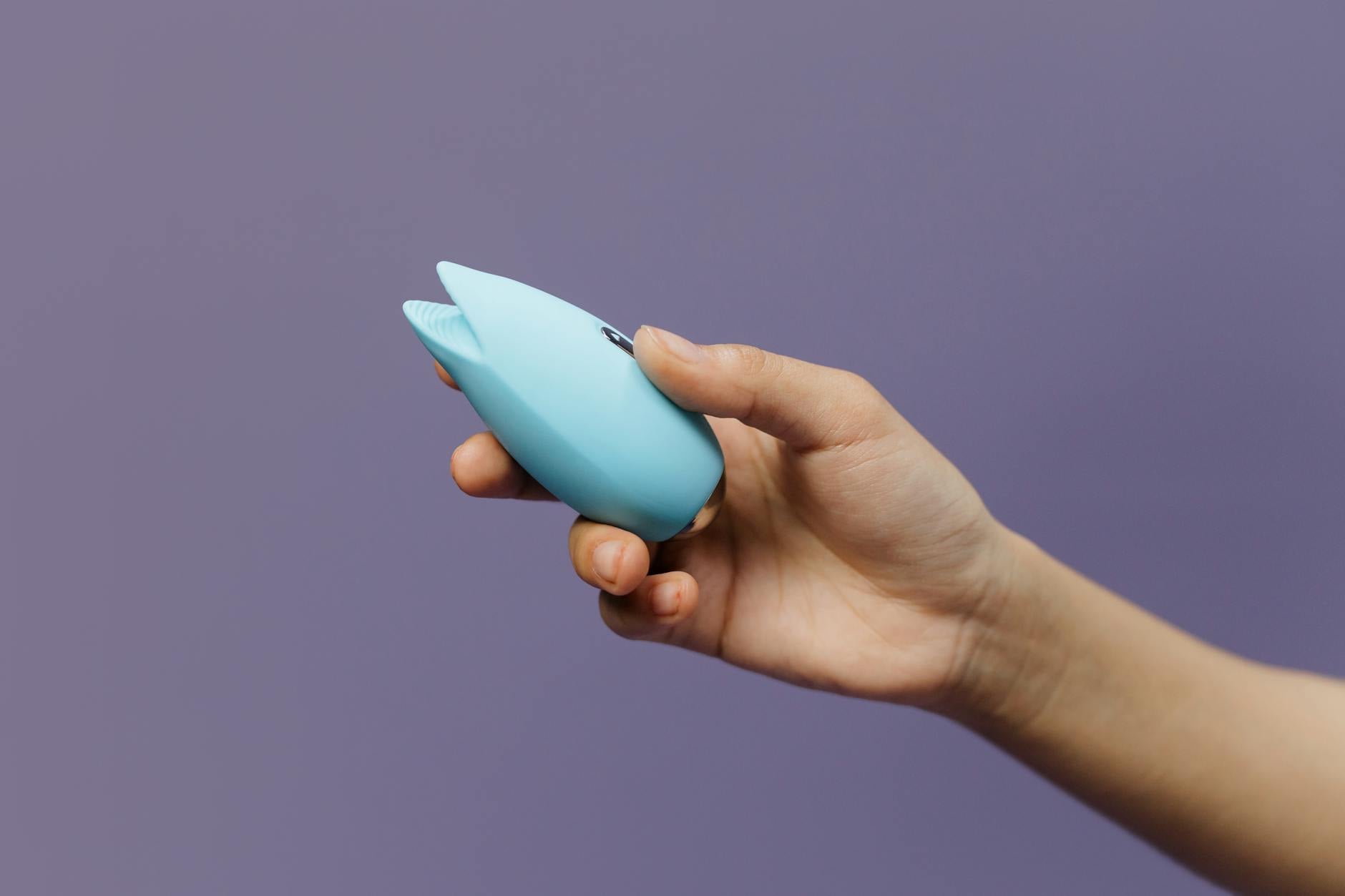
A lemon clitoral vibrator like the Lem does something genuinely useful here. It speeds up clitoral arousal independent of the rest of what's happening. This sounds mechanical, and it kind of is, but it matters.
When the slower-arousing partner uses a lemon sucker vibrator, they can reach the arousal level they need in the timeframe that works for their body. No rushing. No waiting. No shame. They get to actually feel desire building instead of performing readiness they haven't reached yet.
For the faster partner, this means sex starts when both people are genuinely ready, which changes everything about how good it feels. You're not managing someone else's anxiety. You're not checking in constantly. You're both present.
And here's the part that surprised a lot of couples I've worked with: when both people are fully aroused, the sex is often significantly better for both of them. Not because anything physically different happened, but because the performance anxiety that was running in the background is finally gone.
The practical setup that actually works
There are a few ways to use a lemon clitoral vibrator as a couple when arousal speeds don't match.
Option 1: Parallel timing. You both start getting ready for sex. Your partner uses the vibrator on themselves while you do whatever gets you turned on (watch them, touch them, do your own thing, read something). No pressure. No waiting. When you're both genuinely aroused, you move into whatever comes next. This usually takes 10-15 minutes total instead of the weird negotiation dance.
Option 2: Built-in foreplay. The faster person uses the vibrator on their partner as part of foreplay. This isn't instead of other touch. It's integrated into kissing, touching, conversation. It just accelerates the process for whoever needs more time. The suction sensation of the lemon vibrator is particularly good for this because it doesn't require the same kind of constant friction that can get uncomfortable if someone's not fully aroused yet.
Option 3: Self-pleasure integrated. Some couples find that the slower-arousing partner uses the vibrator on themselves while their partner watches, touches them in other ways, or is getting their own pleasure. This removes the pressure for the slower person to keep up with their partner's timeline and the pressure for the faster person to do all the heavy lifting of arousal work.
None of these requires a conversation that sounds like "I'm not attracted to you" or "You're broken." It's just a tool that acknowledges that different bodies have different timelines, and that's fine.
The emotional shift that happens
Here's what I've noticed with couples who've solved the arousal mismatch: sex becomes less of a scheduled event and more of something both people actually want. This sounds obvious, but it's genuinely transformative.
When you're not constantly managing someone else's readiness, you have bandwidth to actually enjoy your own arousal. When you're not being rushed, you can actually trust your body's signals instead of overriding them. And when both people start from a place of genuine desire instead of obligation, the sex is just... better. The tension is different. The whole experience changes.
I've also noticed that couples often start having sex more frequently once the timing mismatch is solved. Not because they're suddenly more attracted to each other, but because neither person is dreading it anymore. When something doesn't require a negotiation or create anxiety, you actually want to do it more.
When this works best
Lemon clitoral vibrators are most effective for arousal mismatch when both partners are on board. If one person is using it reluctantly or resentfully, the whole thing collapses back into the same dynamic.
The conversation beforehand matters. It's not "you take too long" or "you rush me." It's "I've noticed sex works better when we're both fully aroused, and this tool could help that happen without either of us feeling pressure. Want to try it?" Tone is everything.
Also worth noting: some people's arousal timing differences are also about stress, tiredness, medications, or relationship dynamics that a vibrator won't fix. If the slower partner is exhausted from work and kids, they might need actual time off more than they need a better tool. If the faster partner is anxious about rejection, a vibrator won't address that. But if the mismatch is genuinely about how your bodies work, not about what's happening in your relationship, a lemon vibrator actually solves it.
Why suction works where traditional vibration sometimes doesn't
The lemon vibrator uses air-pulse suction technology rather than buzzing vibration. This matters for arousal timing because the sensation profile is different.
Traditional vibrators can be overstimulating if someone's not fully aroused yet. The suction approach the Lem uses is gentler on tissue that hasn't fully engorgement yet, which means the slower-arousing partner doesn't have to deal with discomfort while they're still building arousal. It also creates a different kind of sensation that many people find more intuitively pleasurable, which can accelerate arousal without any awkwardness.
Plus, the lemon sexual toy design is genuinely discreet and easy to use, even in a partnered context. There's no fumbling. No complicated controls. You're not creating more friction (literal and emotional) trying to figure out how something works.
The bigger picture
Arousal mismatch is one of those problems that couples often don't talk about because they assume they're supposed to just adapt to each other. One person speeds up. The other person waits. Everyone's a little bit resentful. Everyone's a little bit anxious. And sex becomes something you do instead of something you enjoy.
But you don't have to solve it by either person changing their natural arousal timeline. You can solve it by acknowledging that different bodies work at different speeds, and that's not a problem to fix. It's just information.
A lemon clitoral vibrator removes the timing pressure entirely. Both partners get to experience genuine arousal. Both partners get to feel desired and present instead of rushed or waiting. And weirdly, that changes everything about the sex that follows.
If your arousal speeds have been a source of tension, it's worth trying. The stakes are just better sex and less resentment. That's actually worth the conversation.
FAQ: Arousal mismatch and lemon vibrators
Can we use a lemon vibrator if one partner has never used toys before?
Absolutely. The Lem is actually one of the best entry-point toys because the sensation is intuitive and the controls are simple. The faster-arousing partner doesn't need to have used toys before. The slower-arousing partner might benefit from trying it solo first to understand what they enjoy, but partnered first-use works too. Start with lower intensity settings and let the sensation build.
Will using a vibrator make my partner less attracted to me or dependent on it?
No on both counts. The data on this is pretty clear: vibrators don't reduce attraction or create dependency. What they do is remove anxiety and pressure, which often makes people more interested in sex, not less. And the arousal that happens with a vibrator is still your arousal. Your body is doing the work. The tool is just helping.
What if we're worried about it feeling impersonal or clinical?
Integrate it into your existing intimacy. This isn't instead of touch or kissing or eye contact. You're both still present, still touching each other, still connected. The vibrator is just one element. Many couples find it makes sex feel more connected because both people are actually enjoying themselves instead of managing timing stress.
How long does it actually take to reach arousal with a lemon vibrator?
It varies, but most people report noticing strong clitoral sensation within 1-2 minutes and significant arousal within 5-10 minutes using the Lem. This is faster than most people's natural timeline, but the point isn't speed for its own sake. It's removing the gap between partners so you can both start from genuine readiness.
Does this solve arousal mismatch during partnered sex, or just before?
Both. Some couples use the vibrator as part of foreplay so both people start from genuine arousal. Others use it during partnered sex if one partner needs more stimulation to stay aroused or reach orgasm. The suction sensation is compatible with most partnered activities, so it doesn't interrupt flow.
What if the issue is that my partner and I have different sex drives, not just different arousal speeds?
That's a different problem, and a vibrator won't fix it. If one person wants sex twice a week and the other wants it once a month, that's a mismatch in desire frequency, not arousal speed. That needs actual conversation about what's driving the difference. But if the problem is specifically that when you do have sex, one person is ready and the other isn't, then a lemon vibrator can absolutely help.
Ready to bridge the gap
Arousal timing differences are one of the easiest intimacy problems to solve once you stop treating them as character flaws. They're just how your bodies work. And when you remove the timing pressure, sex becomes genuinely collaborative instead of something someone's managing.
If this resonates, having the conversation with your partner matters more than the tool itself. But the tool makes the conversation easier because you're not asking someone to change something fundamental about their body. You're just adding a small element that honors how you both actually work.
Want to talk through how this might work for your specific situation? Reach out to Hello Nancy. We can help you think through what would actually serve your relationship.