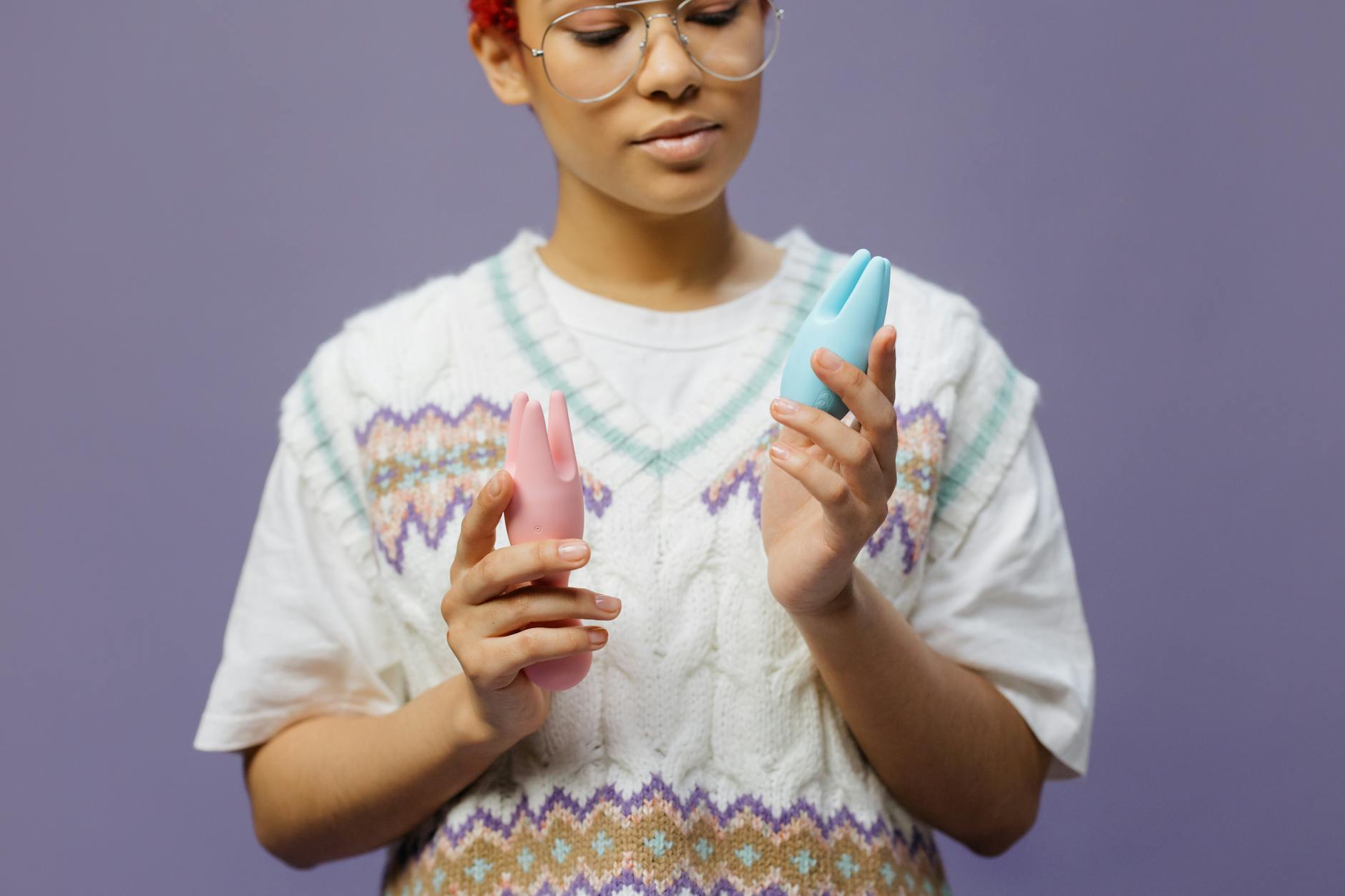
Here's what nobody tells you about penetration pain
Penetration pain doesn't mean your body is broken. It means penetration isn't the move right now. That's not a compromise or a sad workaround. That's just information.
The problem is that most people with vulvas grow up expecting penetration to be the main event, so when it hurts, the whole thing feels wrong. But pleasure lives everywhere. The clitoris has more nerve endings than the entire penis. The external vulva is wildly sensitive. The entry to the vagina can feel amazing with the right touch at the right angle. And none of that requires anything going inside.
If you're dealing with vulvodynia, vaginismus, endometriosis pain, scarring from childbirth or surgery, or just plain friction that makes you want to stop, a clitoral vibrator like the Lem Vibrator changes everything. Here's why, and how to use one when penetration is off the table.
Why clitoral vibrators bypass the pain problem entirely
Penetration pain is usually triggered by pressure, friction, or the stretch of vaginal tissue. Clitoral vibrators work on the clitoris, which is external and doesn't require any internal stimulation. No insertion. No pressure inside. No friction. Just stimulation that meets you where you actually are.
The magic of a lemon sucker or air-pulse vibrator like the Lem is that suction creates a gentle pressure that feels intense without the mechanical grinding that hurts. Compare that to a traditional vibrator that relies on rapid buzzing against tissue. For someone with pain, that can feel like too much too fast.
The clitoris also has a different pain threshold than the vagina. You can often experience deep, satisfying sensation from clitoral stimulation even when penetration feels impossible. Many people discover their most intense orgasms come from clitoral work alone, which is why moving away from penetration isn't a loss. It's a redirect.
What happens physiologically when penetration hurts
There are a few common reasons penetration becomes painful, and understanding yours matters for choosing the right approach.
Vulvodynia is chronic vulvar pain with no obvious cause. The nerves in the vulva have become oversensitized, so any pressure feels like too much. For vulvodynia, avoiding triggering touch and using gentle, non-invasive stimulation like suction is often recommended by specialists.
Vaginismus is involuntary pelvic floor muscle tension that makes penetration feel tight and painful. It's usually a protective response, not a physical flaw. Here, clitoral work helps because it doesn't trigger the reflex.
Post-surgical or post-childbirth pain comes from scar tissue, nerve damage, or just being irritated tissue that isn't ready. A lemon clitoral vibrator keeps you away from the irritated zone entirely.
Endometriosis, fibroids, or pelvic inflammatory disease cause internal pain that's triggered by pressure. Again, external clitoral stimulation avoids the problem.
In all these cases, the answer isn't to push through or wait until it stops hurting. It's to explore what does feel good.
How to start with a Lem Vibrator if penetration pain is your reality
If you've been avoiding pleasure because penetration hurts, easing back in matters. Here's the practical order.
Start without the vibrator first. Spend a week or two just touching your clitoris gently, without any vibration. This sounds like a step backward, but it's actually recalibrating. If your body has learned that touch equals pain, manual touch helps your nervous system remember that sensation can be good. Use lube. No pressure. Just exploration.
Introduce the Lem on the lowest setting. The Lem Vibrator has gentle intensity options. Start on pattern 1 or 2. Let it sit against your clitoris without moving it around. Many people find that stillness with gentle suction feels way different than the buzzing of a traditional vibrator. It's less invasive somehow.
Keep your hand on the toy. Don't insert anything anywhere. Just hold the Lem against your clitoris and notice what patterns feel good. You're in control. You can stop anytime.
Budget 20-30 minutes, not 5. When pain has been in the picture, pleasure often takes longer to build because your nervous system is still skeptical. That's normal. Go slow.
Use plenty of lube. Even though you're external, lube reduces friction and makes everything feel smoother. It also sends a signal to your body that this is intentional, not rushed.
What to do if the Lem Vibrator still feels like too much
Some people with vulvodynia or severe pain responses find that even gentle vibration is overwhelming. If that's you, that's important information and not a failure.
Try non-vibrational tools instead. A smooth wand or even your fingers with lube might be the right entry point. Some people find that a clitoral toy designed for stillness and pressure rather than vibration works better. The goal is pleasure that doesn't trigger pain. That might look different for you than for someone else.
If nothing feels good, that's worth checking in with a pelvic floor physical therapist or a gynecologist who specializes in pain. They can rule out something that needs treatment and help you understand what your body is actually telling you.
The relationship piece that changes everything
If you have a partner, this conversation matters. Many couples assume penetration is required for sex to count, so when it hurts, they shut the whole thing down. That's when intimacy gets weird.
Instead, have a conversation that separates penetration from pleasure. You can say something like: "Right now my body doesn't want penetration. I want to explore clitoral stimulation instead. This is about me finding what feels good, not about what you did or didn't do."
Your partner can be involved or not, depending on what works for you. Some people want penetration pain, some want to use a clitoral vibrator together, some want solo time to reconnect with their own body first.
What changes when penetration is off limits isn't intimacy. It's the shape of it. And often, the intensity.
When to see a specialist about penetration pain
If pain has been going on for more than a few weeks and nothing is getting better, see a pelvic floor physical therapist or gynecologist. There are treatments that actually work. Topical numbing creams, physical therapy, nerve blocks, and other interventions exist and are worth trying before you give up on penetration altogether.
Some people with vulvodynia benefit from low-dose antidepressants that calm nerve pain. Some need pelvic floor retraining. Some need estrogen cream. All of this is available, and most of it is surprisingly effective.
The point: pain is information, not a life sentence. Use tools like the Lem Vibrator to keep pleasure in your life while you're figuring out what's happening. That's not a substitute for medical care. It's what you do in the meantime.
FAQ
Can I use a lemon clitoral vibrator if I have vulvodynia?
Yes, but check the intensity carefully. Some people with vulvodynia find even light vibration triggers pain, while others do fine with gentle suction like the Lem. Start low and listen to your body. If vibration hurts, move to manual clitoral touch or pressure-based toys instead.
Is vaginismus the same as penetration pain?
No. Vaginismus is involuntary muscle tension that makes penetration difficult or impossible. Vulvodynia is chronic nerve pain. They can happen together or separately, and the treatment approach is different. A pelvic floor PT can help you figure out what you're dealing with.
Will using a Lem Vibrator instead of penetration make me lose sensation?
Actually, the opposite. When you stop forcing penetration that hurts, your nervous system relaxes. Many people find that clitoral sensation actually improves once they stop bracing for pain.
Can I eventually go back to penetration if I use a lemon clitoral vibrator now?
Maybe. It depends on what's causing the pain. If it's temporary (post-surgery, postpartum), yes, healing often happens. If it's a chronic condition like vulvodynia, you might find that you prefer clitoral work anyway, and that's completely fine. The goal is pleasure, not a specific act.
What if nothing feels good right now, including the Lem?
That's a sign to check in with a pelvic floor PT or gynecologist. Pain can make the nervous system defensive, which makes pleasure hard to access. Professional support can help your body trust sensation again.
Do I have to involve a partner, or can I explore this alone?
Solo exploration is actually often the best starting point. You get to figure out what your body wants without explaining or performing. If you have a partner and want to bring them in later, that's a separate conversation.
You deserve pleasure that doesn't hurt
Penetration pain isn't a character flaw or something you have to accept. It's a signal that penetration isn't the right move for you right now. And that's okay. Clitoral vibrators like the Lem exist precisely because pleasure has options.
If you want to dive deeper into pleasure after pain, how lemon vibrators help when you're returning to pleasure after a break offers more grounded steps. Or if your pain is tied to hormonal shifts, how to use lemon vibrators when arousal takes longer after 40 might resonate.
Your pleasure matters. Your body matters. And you deserve support that honors both.