The timing mismatch no one talks about
Let's be real. One partner is ready to go in five minutes. The other needs fifteen or twenty. No one's broken here. No one's doing anything wrong. But when the faster partner is waiting on the slower one, it creates invisible tension. Anticipation curdles into impatience. The slower partner feels rushed. Everyone ends up frustrated.
This is one of the most common friction points couples don't name directly, and it's wildly solvable with the right approach.
What's actually happening physiologically
Arousal isn't binary. For some people, desire and physical readiness arrive almost simultaneously. For others, there's a gap. Sometimes a big one. Both patterns are completely normal. The gap often widens after life happens: kids, stress, medication, relationship transitions. A partner who used to match your pace suddenly needs double the warm-up time.
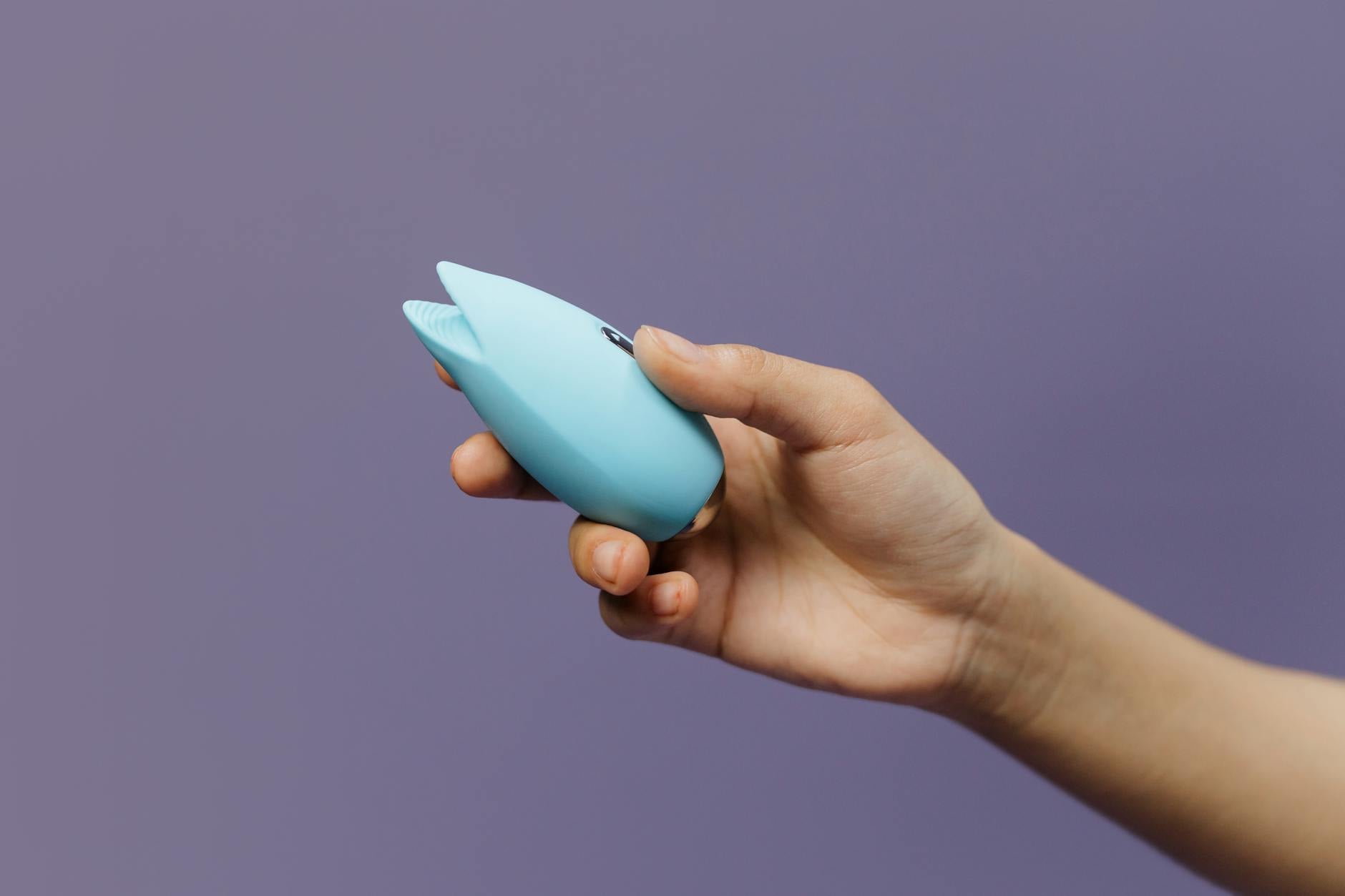
A lemon clitoral vibrator collapses that gap in a way nothing else does. Not because it's magic. Because it works with your body's actual neurology instead of fighting against it. Suction stimulation reaches deeper nerve clusters faster than manual touch alone, which means arousal builds with genuine intensity and speed rather than surface friction.
That's the mechanical truth. Here's the relational one: when the faster partner actively participates in getting the slower partner ready, instead of waiting passively, the dynamic shifts entirely. Resentment dissolves. It becomes collaborative.
The conversation before the first time
Don't introduce a lemon vibrator mid-frustration. Have this talk when you're clothed and calm.
The slower partner goes first: "I love being with you. What I've noticed is that my body takes longer to warm up than yours, and I hate that you end up waiting. I don't want you to feel bored or frustrated."
The faster partner responds with something real. Maybe: "I do sometimes feel impatient. But I'd rather we found a way to make it work for both of us than you feeling pressured."
Then introduce the tool. "I want to try something that might help me get there faster. It's a lemon clitoral vibrator. I'm interested in exploring it with you involved, not as a solo thing."
That framing matters. You're not replacing them. You're inviting them into a solution.
How to actually structure the time
Here's what I see work best with couples managing arousal speed differences.
Start with the slower partner using the lemon vibrator solo for five minutes while the faster partner is present but not performing. They can kiss, hold you, talk to you, make eye contact. The vibrator isn't replacing their role. It's allowing their presence to land in your body while you're already building arousal.
After five minutes, transition to what I call "collaborative touch." They use hands while you use the vibrator. A lot of couples find this is where the real magic happens. The dual stimulation creates a feedback loop. You're not dependent on their pace anymore. You're not dependent on their pressure or technique. But the intimacy, the attention, the presence—all of that is absolutely there.
Set a concrete timeline so the faster partner doesn't have to do the mental math. "I'll probably need ten to fifteen minutes to feel ready. After that, we'll have all the time we want." Predictability dissolves impatience.
The pattern that prevents resentment
This is crucial: the faster partner should be actively invested in the warm-up phase. Not waiting. Not checking their phone. Not lying there thinking about work.
Involved. Attentive. Participating.
When the faster partner is genuinely present during the warm-up, something flips. It stops feeling like an obligation and starts feeling like foreplay for both of you. They get to watch you respond. They get to kiss you while you're using the vibrator. They get to feel you tighten around their fingers while the suction does its work. It becomes collaborative pleasure, not one person waiting while the other gets ready.
Using a lemon vibrator without disconnection
Some couples worry that introducing a vibrator will create distance. It does the opposite if you do it right.
Keep eye contact while you're using it. Let them hear your sounds. Talk during the process. "That feels incredible." "I want you inside me when you do that." "This is so much better because you're here."
The vibrator isn't replacing them. It's creating the conditions where they can have you fully present instead of waiting for your body to catch up.
Let them adjust the pattern. If you're on a low setting and they shift to higher, they're still directing the intensity. That's intimate. That's partnered.
When the faster partner needs to understand patience
Here's the flip side nobody mentions. If you're the partner who's ready first, your job is to genuinely enjoy the warm-up phase instead of rushing through it.
A lemon clitoral vibrator gives you something to focus on besides clock-watching. Watch how your partner's body changes. Notice when her breathing shifts. Feel how her skin responds. Use your hands while she uses the vibrator. This isn't dead time. This is some of the most intimate time you'll have together because you're both fully present.
If you can't do that, if you're genuinely bored or frustrated, that's a separate conversation about whether your arousal patterns are compatible. That's fair. But don't pretend to be present while you're internally fuming. That kills everything.
The practical setup that avoids awkwardness
Keep the vibrator accessible. Not hidden in a drawer. A nightstand, a bed pocket, somewhere you can grab it without making it weird.
Have lube nearby. Water-based works with silicone toys. Apply it generously. Arousal takes longer, which sometimes means less natural lubrication. That's not a problem. That's what lube is for.
Start with lower patterns. You can build up. Pattern one or two gives you room to intensify if you want to. It also feels less overwhelming if the faster partner is watching and learning your responses.
Setting a timer sounds clinical but it's genuinely helpful. "Fifteen minutes and then we transition to what you want." No one's guessing. No one's frustrated. You both know the plan.
When the gap is bigger than vibrator can close
If one partner needs thirty minutes of warm-up and the other is ready in three, a vibrator helps but it doesn't solve the fundamental mismatch. That's when you might want to consider whether you're having different conversations.
The faster partner might need to slow down their expectations. The slower partner might benefit from exploring whether medication, stress, or relationship stuff is genuinely slowing arousal, or whether there's a mismatch in desire that goes beyond timing.
But most couples I work with? The gap is ten minutes instead of five. That's fixable. A lemon clitoral vibrator, genuine presence from the faster partner, and a plan collapses that gap entirely. Suddenly everyone feels good. No one feels rushed. The faster partner gets to be involved in the turn-on. The slower partner gets to actually enjoy arousal instead of feeling pressured.
The thing that actually changes everything
It's not the vibrator. It's the decision that your pleasure matters equally.
When you're willing to spend the time. When you're willing to show up for it. When you're willing to name the gap instead of pretending it doesn't exist. That's when a lemon vibrator becomes a tool for connection instead of a workaround.
Your partner wanting quickies doesn't mean they don't value your pleasure. It means their neurology works differently. Meeting them in that difference, with tools and time and genuine presence, is how couples actually stay connected.
People also ask
How long should foreplay take if partners have different arousal speeds?
There's no "should." Research suggests average foreplay is twelve to thirteen minutes, but that's an average. Some people are ready in five. Others need thirty. The real metric is that both partners feel satisfied, not rushed. With a lemon clitoral vibrator, the slower partner can reach genuine arousal in ten to fifteen minutes even if the faster partner is ready in five. What matters is that you both agree on the timeline and stick to it.
Can using a lemon vibrator during partnered sex feel impersonal?
Not if you approach it as collaboration. The vibrator augments what your partner is doing, not replaces it. Eye contact, conversation, manual touch all stay in play. Many couples report that using a clitoral vibrator together creates more intimacy, not less, because the faster partner gets to witness the slower partner's actual pleasure building instead of just waiting. The key is positioning it as "we" not "me."
What if my partner feels threatened by the lemon vibrator?
This usually signals a deeper conversation about insecurity or desire mismatch, not a problem with the vibrator itself. Have this talk outside the bedroom when no one's vulnerable. Explain that the tool exists so you can be present and responsive with them, not instead of them. If they're still resistant, couples therapy might help you both understand what's underneath the resistance. Sometimes it's worth exploring with a professional.
Is it normal for arousal timing to change in long-term relationships?
Completely normal. Hormonal shifts, stress, medication, having children, aging, grief, all of it changes how fast arousal builds. What matters is that you notice the shift and adapt instead of expecting your body to work the same way it did five years ago. That's when tools like lemon clitoral vibrators become genuinely useful.
How do I know if the issue is arousal speed or actual desire mismatch?
Arousal speed is about your body's timeline. Desire is about whether you want to have sex at all. You can have high desire and slow arousal, or low desire and fast arousal. Notice: do you want sex but your body takes time to show up? That's arousal speed. Do you not want sex but feel obligated? That's desire mismatch, which needs a different conversation entirely. A vibrator solves the first. The second needs honesty about what you actually want.
Can a lemon vibrator help if only one partner enjoys it?
If only one partner is comfortable with it, it works if that person is the slower one. The faster partner stays involved but doesn't have to use it themselves. However, if the slower partner wants to use it and the faster partner won't engage during that time, you're back to the invisible resentment problem. The fastest solution is usually for the faster partner to be genuinely present during the warm-up phase, whether or not they're using the vibrator themselves.
Want to explore how timing affects other parts of your intimate life? Check out our guide on how to use lemon vibrators when arousal takes longer after 40. Or if you're navigating mismatched desire more broadly, how lemon vibrators help when your partner has a much higher sex drive digs into that dynamic.